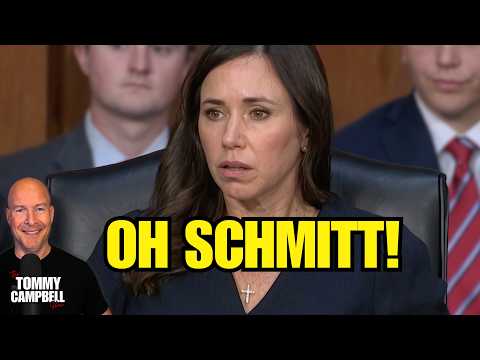
The video examines a series of online disputes involving Shoe0nHead, Hasan Piker, and several creators connected to debates around political labels, progressive movements, and internet personalities. Its main focus is not a single event but a broader argument about whether certain ideas associated with earlier online activism are being reconsidered or simply repackaged under new names. The presentation is energetic and clearly aimed at viewers already familiar with these online conflicts, but its conclusions often depend on accepting the creator’s interpretation of events.
One of the stronger parts of the video is its attempt to identify patterns in political messaging and how public figures respond when older statements become controversial. The discussion around “woke 1.0” and “woke 2.0” raises an interesting question about whether movements change over time or whether unpopular ideas are simply abandoned after public backlash. However, the video frequently treats this interpretation as settled fact rather than separating criticism, speculation, and the perspectives of the people involved.
The commentary provides plenty of examples from public statements and online reactions, which helps viewers understand why these disagreements became controversial. The creator also highlights a real challenge in internet politics: labels can become so broad that different groups use the same word to mean completely different things. This observation is one of the more valuable aspects of the discussion because it shows how debates can become focused on terminology rather than the underlying issues.
At the same time, the analysis is heavily shaped by mockery and personal attacks. Much of the runtime is devoted to ridiculing Hasan Piker’s “dark woke” description and criticizing the behavior of online communities rather than carefully examining the arguments behind those positions. The humor and exaggerated reactions may appeal to audiences looking for entertainment, but they often replace deeper discussion of the policies and beliefs being debated.
The video also covers unrelated controversies involving other internet personalities and Twitch, creating a broader compilation of online drama. These sections maintain the fast pace and keep the content moving, but they make the overall piece feel less focused. The connections between the different topics are sometimes based more on shared internet culture than a clear analytical framework.
As a piece of commentary, the video succeeds at capturing the intensity of online ideological conflicts and explaining why certain clips generate strong reactions. It understands the entertainment value of internet debates and uses a conversational style that keeps attention. However, the reliance on sarcasm, selective examples, and confident judgments limits its usefulness for viewers looking for a balanced examination of the issues.
The biggest limitation is that the video rarely challenges its own perspective. Claims about motivations, future political shifts, or what individuals truly believe are often presented as obvious without enough evidence. The result is a piece that works better as partisan internet commentary than as a comprehensive analysis of the controversies it discusses.
Pros
- Maintains a fast pace with humor, reactions, and examples that keep the discussion engaging.
- Raises interesting questions about changing political language, online movements, and public image management.
- Uses recognizable internet controversies to illustrate how online debates evolve.
Cons
- Relies heavily on mocking opponents rather than examining arguments in depth.
- Often presents interpretations of people’s motives and beliefs with more certainty than the evidence supports.
- Covers many separate controversies, which reduces the focus and analytical depth of the overall discussion.
This is an energetic commentary video that effectively captures the drama and conflict surrounding online political communities. Its strongest moments come from examining how labels and public positions change over time, but its heavy reliance on ridicule and one-sided framing makes it more entertaining than informative.