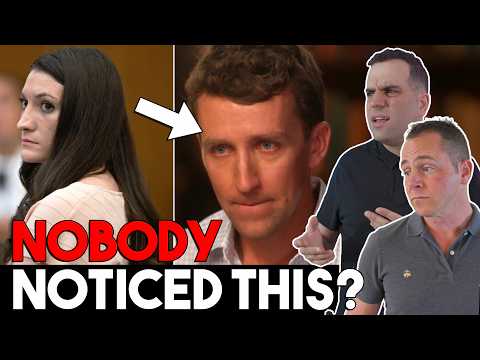
The appeal of this discussion comes from its focus on the complicated relationship between public figures, podcast appearances, and personal reputation. Rather than simply examining whether one guest appeared on a popular show, the video spends most of its time analyzing possible reasons behind that absence and exploring disagreements about credibility, loyalty, and public perception.
The central argument relies heavily on speculation about why Joe Rogan has not hosted Andrew Bustamante, with much of the discussion built around interpretations of statements, online reactions, and personal impressions. The video presents the possibility that professional disagreements or past podcast interactions influenced the decision, but it does not provide direct confirmation from Rogan explaining his reasoning. That distinction is important because the strongest claims remain theories rather than established facts.
The conversation is more engaging when it moves into broader questions about how former intelligence officials use their backgrounds after leaving government service. The discussion raises legitimate questions about credibility, accountability, and whether past affiliations affect how audiences interpret someone’s current work. However, the presentation sometimes shifts from examining those issues into judging motivations that cannot be verified from the information provided.
A significant portion of the episode focuses on a debate involving former CIA officer John Kiriakou and his decision to work with Russian state media after previously exposing government wrongdoing. The video raises difficult ethical questions about whistleblowing, national interests, and the consequences of cooperating with foreign media organizations. It offers an interesting perspective on the tension between personal convictions and public trust, though it presents the issue through a strongly opinionated lens.
The host also spends considerable time criticizing perceived arrogance and self-promotion, particularly around claims about making another interviewer appear ineffective or influencing audience reactions. These criticisms create a lively and confrontational tone, but they are based largely on interpretation rather than objective evidence. Viewers who already agree with the host’s perspective may find the commentary persuasive, while others may find the conclusions overly dependent on assumptions.
The strongest part of the video is its willingness to discuss uncomfortable questions about influence, media platforms, and the way reputations are built in the modern podcast landscape. It recognizes that large audiences and controversial backgrounds can create complicated relationships between creators, guests, and viewers. The weakness is that the analysis occasionally treats uncertainty as proof, which reduces the impact of some otherwise interesting observations.
Overall, the episode works best as a commentary piece rather than a definitive investigation. It provides a clear viewpoint on a controversial media situation and raises worthwhile questions about credibility and public image, but viewers should separate confirmed events from speculation when evaluating the conclusions.
Pros
- Explores interesting questions about podcast culture, reputation, and public influence.
- Raises thoughtful ethical issues surrounding intelligence backgrounds, whistleblowing, and media relationships.
- Provides a strong point of view that keeps the discussion energetic and engaging.
- Distinguishes some complex political and professional issues rather than treating them as simple controversies.
Cons
- Relies heavily on speculation about personal motivations that are not directly confirmed.
- The argumentative tone sometimes overshadows deeper analysis of the issues involved.
- Some claims about public figures are based on interpretation rather than verifiable evidence.
This is an engaging but highly opinion-driven discussion that succeeds at generating debate more than delivering definitive answers. Its strongest moments come from exploring questions about trust, influence, and reputation, while its weaker sections rely too much on assumptions about private decisions. Viewers looking for analysis should approach the conclusions critically and separate commentary from confirmed information.