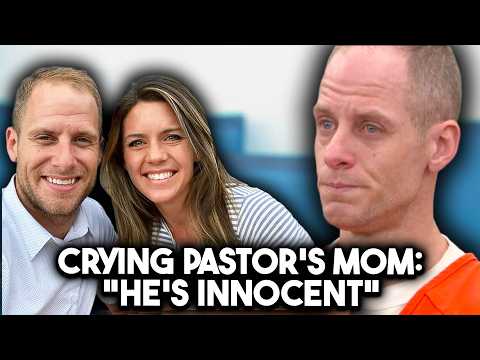
The video examines a devastating drunk-driving case through police footage and interrogation moments, focusing less on reconstructing every detail of the crash and more on the behavior of the person accused of causing it. By presenting body camera interactions, the episode attempts to show the contrast between the seriousness of the situation and the accused driver's reactions in the aftermath. The result is a deeply emotional piece that relies heavily on the power of the footage itself.
One of the strongest elements of the presentation is the way it highlights the atmosphere surrounding the investigation. The description of first responders arriving, witnesses being interviewed, and officers trying to understand the scene creates a clear sense of confusion and urgency. The footage-driven approach allows viewers to observe the interactions directly rather than relying only on narration, making the emotional impact stronger.
The discussion of the police questioning provides the central focus of the episode. The video carefully emphasizes the accused driver's changing attitude, moving between defensiveness, frustration, and attempts at casual conversation with officers. While the commentary interprets these moments as signs of entitlement or a lack of accountability, viewers are ultimately left to judge the behavior shown in the footage themselves.
The episode is also effective at showing the complicated reality of police procedures during a DUI investigation. It covers questioning, sobriety testing, arrest procedures, and the accused person's repeated requests to contact family members. However, some explanations of legal rights and procedures are presented from a highly emotional perspective, and the video would have benefited from more neutral context about what officers can and cannot do during an arrest.
The emotional weight of the story comes from the contrast between the celebratory setting of a wedding and the tragedy that followed. The video focuses strongly on the human consequences of impaired driving and the grief surrounding the victim's death. This makes the episode impactful, although its repeated use of judgmental language sometimes shifts the focus away from examining the broader issues behind the case.
The commentary style is energetic and clearly designed to provoke a reaction, which will appeal to viewers who follow true crime content. At times, though, the intensity of the narration can make the presentation feel more like a condemnation than an investigation. The strongest moments are those where the footage speaks for itself rather than where conclusions are repeatedly reinforced.
Overall, the episode succeeds as an emotional examination of a tragic case and provides a detailed look at the immediate aftermath through available footage. It is most effective when analyzing behavior and consequences, but it offers less balance when discussing legal interpretation and the accused person's perspective. Viewers interested in true crime will find the material compelling, though those looking for a more detached analysis may find the presentation overly focused on outrage.
Pros
- Uses body camera and interrogation footage to create a powerful, direct look at the aftermath of a serious incident.
- Highlights the emotional impact of impaired driving and the consequences faced by victims and families.
- Provides a detailed look at police interactions during an arrest and investigation.
- Maintains a clear narrative structure that keeps the focus on accountability and responsibility.
Cons
- The commentary sometimes relies more on emotional judgment than balanced analysis.
- Legal explanations and police procedures could use additional neutral context.
- The highly confrontational tone may limit exploration of more complex aspects of the case.
This is a compelling but emotionally charged true crime presentation that succeeds in showing the devastating consequences of reckless decisions. Its strongest moments come from the raw footage and the human impact surrounding the case, while its lack of neutrality occasionally weakens the overall analysis. For viewers seeking a powerful account of accountability and tragedy, it delivers an intense experience.