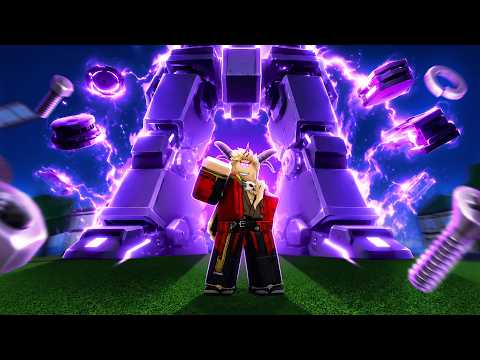
Returning to the original kindergarten initially feels more nostalgic than frightening. After noting that his first playthrough was three years earlier, the player recognizes rooms, puzzles, characters, sound effects, key cards, the drone, and even the order of several objectives from memory. The update does not immediately replace that familiar experience; instead, it adds smaller changes around it, including a new menu, achievements, environmental details, a Jumbo Josh vegetable minigame, collectibles, and other interactions. That makes the first run partly a comparison between what he remembers and what has changed, with the promised new monster remaining deliberately out of reach.
The vegetable minigame is the clearest early addition. A Jumbo Josh-themed activity asks the player to collect fruits and vegetables while avoiding other objects, accompanied by music that becomes an extended source of improvised jokes. It is more playful than scary, but it establishes that the update contains genuinely new material rather than merely cosmetic alterations. Achievements reinforce that feeling by rewarding actions such as completing the minigame, taking early progression steps, and interacting with parts of the environment. Smaller additions, including the ability to slide down the playground slide and collectible plushies, encourage more experimentation with an area the player already knows.
Much of the central playthrough remains the original progression. The drone requires batteries, Opila Bird needs six eggs, key cards unlock new sections, the hammer opens the route toward the platform sequence, and the color puzzle relies on identifying the characters. The player's memory becomes part of the entertainment as he alternates between confidently recalling solutions and completely forgetting what comes next. The Opila Bird encounter benefits particularly from that familiarity: he remembers the danger, experiments with jumping around it, and anticipates Jumbo Josh at the original ending. For returning viewers, the recognition creates nostalgia; for anyone primarily interested in the update, however, this extended replay delays the new material considerably.
That delay becomes more noticeable when the expected ending arrives without the advertised monster. Only afterward does the player learn that the alternate content requires collecting plushies, forcing another pass through the game. He ultimately says he had to redo the whole thing before the correct trigger appeared, with a message directing him toward a cafeteria vent. Structurally, this is the video's biggest weakness. The hidden requirement makes discovering the update feel appropriately secretive, but watching familiar objectives repeated in order to reach it reduces momentum after the first run has already established how much he remembers.
The alternate sequence is where the update becomes genuinely unsettling. A recording discusses activating a facility concealment protocol and directs attention toward a classroom panel, after which the environment appears grainier and noticeably altered. Opila Bird is absent, familiar routes behave differently, a Captain Fiddles image appears with children surrounding him, and previously expected interactions no longer function in the same way. The player describes the experience as an alternate dimension, and even without a full explanation, the changed state successfully makes a familiar location feel wrong. Removing recognizable elements proves more effective than simply adding another immediate chase.
The new creature provides the payoff after that altered replay. Descending at the end no longer leads only to the familiar Jumbo Josh conclusion; instead, the player encounters a distinctly modeled figure and feeds it the collected plushies. Another ominous character or presence then delivers a warning that the search itself may become a trap and advises leaving the abyss untouched. The video does not establish exactly who these figures are or how they connect to future events, and the player's speculation about the rat-like character and the next game remains speculation. That ambiguity is appropriate for a teaser, although it means the update raises substantially more questions than it answers.
Presentation benefits from genuine familiarity with the series. The player remembers old puzzles, recognizes characters such as Captain Fiddles and Stinger Flynn, comments on differences as they appear, and treats the return as both a new-content hunt and a reunion with a game that became important to his channel. His excitement makes small changes feel consequential because he has a baseline for comparison. The downside is repetition: frequent exclamations about nostalgia, the new monster, remembered mechanics, likes and subscriptions, plus the need to replay large sections, can stretch what is ultimately a relatively compact set of new discoveries. Even so, the altered ending rewards the persistence by turning a known route into a teaser for something much stranger below the kindergarten.
Pros
- The update layers achievements, collectibles, environmental changes, a vegetable minigame, and new interactions onto the familiar original game.
- The player's memory of puzzles and encounters makes differences between the old and updated versions easy to notice naturally.
- Collecting plushies provides a hidden objective that ultimately leads to substantially different content rather than a minor bonus.
- The alternate state creates unease by changing familiar rooms, removing expected characters, and altering established interactions.
- The new creature encounter and warning about the abyss provide a clear payoff for completing the additional requirements.
- Genuine enthusiasm for returning to the series gives the playthrough a strong nostalgic quality without preventing curiosity about the new material.
Cons
- Much of the video repeats the original game's progression before the major update content becomes accessible.
- Missing the plushie requirement initially leads to another run through familiar objectives, slowing the transition to the alternate ending.
- The early vegetable minigame is entertaining but tonally playful compared with the darker new content promised by the episode.
- Repeated reactions about nostalgia, remembered mechanics, and anticipation of the new monster occasionally become redundant.
- The new ending deliberately leaves the creature identities and broader implications unclear, providing more setup than resolution.
The update is most effective when it stops adding things to the old kindergarten and starts taking familiar expectations away. Opila Bird's absence, altered routes, grainier presentation, strange imagery, and changed progression create a stronger sense of unease than simply inserting another monster into the original sequence would have. Because the player has just spent so much time remembering exactly how the game used to work, those deviations become immediately noticeable. Reaching that material requires more repetition than ideal, especially after the collectible requirement leads to another pass through content that has already been revisited at length. Yet the payoff successfully reframes the nostalgic return as preparation for something new. The hidden vent, concealment message, altered environment, unfamiliar creature, and warning about the abyss suggest that the update is primarily setting up a future mystery rather than resolving one here. The result is strongest as a bridge between the kindergarten players remember and the darker territory the series appears ready to explore next.