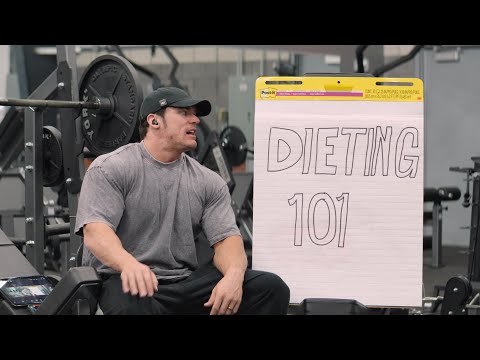
Fat loss and simply becoming lighter are treated as two different goals here, with the presentation repeatedly emphasizing muscle retention, resistance training, and body composition rather than chasing the lowest possible number on a scale. That distinction gives the advice a useful foundation. The speaker also rejects the idea of an effortless transformation, arguing that consistency, an appropriate calorie deficit, protein intake, and training all have to work together.
Organizing people into higher-body-fat, average, “skinny fat,” and athletic starting points makes the discussion easy to follow, but it also creates one of its biggest limitations. Body composition and training needs are more individual than these broad categories suggest, yet the recommendations are sometimes delivered with considerable precision. Specific percentages for cardio versus resistance training, suggested weekly loss rates, and calorie-deficit ranges can sound more personalized than the information provided actually allows.
Several of the core principles are presented sensibly. The speaker recommends centering meals around protein, including fruits or vegetables, maintaining resistance training, and avoiding unnecessary elimination of carbohydrates or dietary fat. The explanation that calorie requirements can change as body weight falls is also useful, as is the broader point that a plan may need adjustment rather than remaining identical for 12 weeks. These ideas encourage viewers to think beyond crash dieting and toward preserving muscle while losing fat.
The numerical claims are less consistently reliable. At one point, people with higher body fat are told they may be able to lose two to four pounds per week without losing muscle, despite an earlier recommendation based on losing roughly 0.5% to 1% of body weight weekly. The discussion also makes highly specific claims about muscle's calorie expenditure and becoming up to 15% more efficient at the same workout without explaining the evidence or circumstances behind those figures. Most notably, the suggested protein target of roughly one gram per pound is then described as approximately 60 to 100 grams for most people, a conversion that would not match that recommendation for anyone weighing substantially more than 100 pounds.
Some of the training guidance also deserves more qualification. The claim that people described as “skinny fat” may want four or five sessions because they are starting from a lower muscle base assumes both their training capacity and recovery needs. Likewise, portraying cardio-focused fat loss as something that slowly eats into needed muscle is overly categorical. The speaker's broader case for resistance training during a calorie deficit is clear, but the contrast between lifting and cardio becomes more absolute than the preceding discussion requires.
Progress tracking is one of the more practical sections. Instead of treating scale weight as the sole measure of success, the speaker recommends consistent photographs and body measurements while acknowledging that weight can fluctuate, including during the menstrual cycle and after beginning resistance training. That helps reinforce the central body-composition message, although saying the scale is one of the “worst” measures goes too far when the more defensible point is that short-term scale readings can be misleading when considered in isolation.
The energetic delivery makes a potentially dry subject approachable, with humor and casual language used to move through calorie deficits, body-fat categories, training, and nutrition without turning the discussion into a lecture. At the same time, that confidence occasionally disguises how much nuance is missing. The presentation works best as a broad motivational framework for combining diet and resistance training, but viewers should be cautious about treating its exact percentages, calorie adjustments, protein figures, and expected rates of weight loss as universally applicable prescriptions.
Pros
- Clearly distinguishes weight loss from improving body composition and emphasizes preserving muscle.
- Encourages resistance training, adequate protein, fruits and vegetables, and a sustainable calorie deficit rather than extreme food restrictions.
- Recognizes that calorie needs and appropriate deficits can change as body weight and body composition change.
- Offers useful alternatives to relying exclusively on daily scale readings.
- Keeps a technical fitness topic accessible through an energetic, conversational presentation.
Cons
- Divides viewers into broad body-composition categories and attaches overly precise training and dieting recommendations to them.
- Several numerical claims are insufficiently explained, and the stated protein recommendation conflicts with the gram range subsequently given.
- The suggestion that some people can lose two to four pounds per week without losing muscle is presented with too little qualification.
- The discussion of cardio and muscle loss is more categorical than the otherwise balanced emphasis on combining resistance and cardiovascular training warrants.
There is a useful fat-loss philosophy underneath the catchy presentation: maintain a calorie deficit, prioritize muscle, eat sensibly, train consistently, and adjust as your body changes. The practical framework is stronger than some of the specific numbers used to support it, so it works better as general guidance than as a precise 12-week prescription.