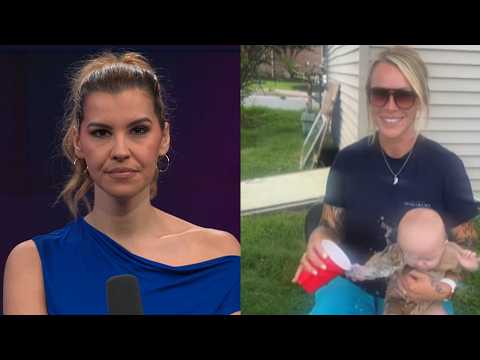
Rather than focusing on sensational aspects of modern vampirism, this interview centers on one former participant's account of becoming involved with a community led by Father Sebastian and her gradual realization that the mentorship she sought had become a coercive and exploitative relationship. The discussion unfolds as both a personal narrative and a broader examination of manipulation, trauma, and high-control group dynamics, with the host consistently encouraging reflection on behavioral patterns rather than simply recounting dramatic events.
The interview spends considerable time establishing the guest's background before introducing the allegations. She describes growing up in a Catholic household while privately pursuing spiritual and occult interests, eventually discovering modern vampiric practices and seeking guidance from someone widely associated with that community. This extended context helps explain why the opportunity to find like-minded people held such emotional significance and why the sense of belonging became difficult to separate from the increasingly troubling dynamics she later describes.
One of the video's strengths is its exploration of how manipulation can develop gradually rather than through immediate, obvious abuse. The guest recounts initially viewing the relationship as a mentor-student arrangement before describing conversations that increasingly emphasized sex magic, romantic intimacy, and exclusivity. She reflects on repeatedly dismissing her own discomfort because the community offered acceptance, recognition, and access to people she admired. Throughout these sections, the host frequently connects the experiences to broader concepts such as trauma bonding, grooming, coercive control, and self-abandonment, framing them as recognizable patterns rather than isolated incidents. These psychological interpretations are presented as discussion and personal understanding rather than established clinical findings about the specific individuals involved.
The interview also examines the culture surrounding the community itself. According to the guest's account, social status, exclusive gatherings, expectations surrounding non-monogamy, and increasing participation in BDSM-related activities created an environment where personal boundaries gradually became more difficult to maintain. She alleges that labor, emotional support, and creative work were also exploited, describing unpaid editorial work on a book and extensive demands on her time. These descriptions remain personal testimony rather than independently verified findings, and the conversation generally presents them as her lived experience instead of proven fact.
Some of the most emotionally powerful portions involve the guest discussing how previous trauma influenced her responses to later abuse. Rather than portraying herself as simply deceived, she reflects on recognizing warning signs while simultaneously feeling unable to leave because the community fulfilled profound needs for belonging and identity. Her later studies in clinical psychology provide additional vocabulary for discussing attachment, trauma responses, and narcissistic behavior, although these observations are offered as personal interpretation informed by education rather than formal diagnosis of anyone featured in the discussion.
The interview also addresses extraordinary beliefs held within portions of the modern vampire community, including energy work, ritual practices, reincarnation, mediumship, and spiritual concepts surrounding preserving consciousness after death. These beliefs are presented descriptively through the guest's perspective without attempting to establish them as objectively true. Likewise, claims regarding occult practices, energetic feeding, past-life connections, and paranormal experiences remain matters of personal belief rather than independently verifiable evidence.
As an interview, the presentation succeeds because it allows the guest ample space to explain not only what she says occurred but why she believes it happened. The host remains empathetic while repeatedly drawing attention to universal warning signs found in many high-control environments rather than portraying the discussion as unique to one subculture. Although the conversation occasionally revisits similar themes—including trauma, self-compassion, and manipulation—from slightly different angles, the repetition generally reinforces the psychological framework instead of significantly weakening the pacing.
Pros
- Provides a detailed first-person account of alleged grooming, coercion, and manipulation within an esoteric spiritual community.
- Establishes substantial personal background, helping explain the psychological and social factors that increased vulnerability.
- Explores high-control group dynamics, trauma bonding, boundary erosion, and self-abandonment in a thoughtful, accessible manner.
- Distinguishes between the guest's personal experiences and broader discussions of trauma and recovery rather than relying solely on sensational allegations.
- Maintains an empathetic interview style that prioritizes the guest's perspective while encouraging broader awareness of coercive relationship patterns.
- Concludes with an emphasis on personal autonomy, healing, and rebuilding identity after leaving a controlling environment.
Cons
- The discussion relies heavily on personal testimony and allegations that are not independently verified within the video.
- Paranormal, occult, and spiritual concepts—including mediumship, energy work, vampiric practices, and reincarnation—are described from participants' perspectives without empirical support.
- Several discussions of trauma, manipulation, and narcissistic behavior revisit similar ideas throughout the interview, making portions feel repetitive.
- Viewers seeking investigative journalism, corroborating evidence, or responses from those accused may find the presentation one-sided.
This interview is less an investigation into modern vampirism than a detailed exploration of how coercive relationships can develop within a tightly knit spiritual community. Its greatest strength lies in allowing the guest to examine her own decisions with honesty while explaining how trauma, belonging, admiration, and gradual boundary erosion can coexist. The discussion consistently encourages viewers to recognize warning signs in high-control environments regardless of the specific belief system involved. While the allegations presented remain the guest's account and many spiritual claims discussed are matters of personal belief rather than verifiable fact, the conversation offers a thoughtful examination of grooming, manipulation, recovery, and the importance of reclaiming personal autonomy.