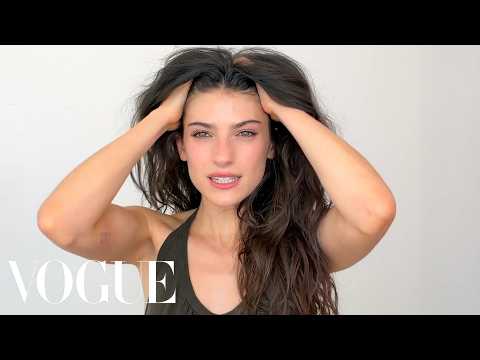
Applying less foundation, reconsidering blush placement, and choosing softer eyebrow definition are among the adjustments Andreea Ali recommends for creating a more natural, polished makeup look. Drawing on her experience as a celebrity makeup artist, Ali explains how her approach has evolved from emphasizing coverage and dramatic definition toward techniques that complement individual facial features. Rather than encouraging viewers to replace their existing products, she emphasizes improving application methods and understanding why certain techniques work better for different faces. The result is an approachable beauty tutorial that combines professional experience with practical demonstrations and personal observations.
Skin preparation provides an effective starting point, particularly Ali's warning against applying excessive skincare immediately before foundation. She explains that layering too many products without allowing sufficient absorption can leave the complexion looking greasy and require additional powder. Her recommendation to use an appropriate amount of skincare, followed by sunscreen, establishes the broader principle that preparation influences the finished appearance. She then demonstrates color correction before concealer, showing how neutralizing under-eye darkness can reduce the amount of concealer needed. Her acknowledgment that makeup cannot fully disguise shadows caused by facial hollowness adds useful realism to a technique that might otherwise seem capable of correcting every imperfection.
The foundation and cheek demonstrations reinforce her preference for subtle adjustments over heavy coverage. Ali applies foundation in thin layers, spreading it across the skin before stippling where additional coverage is needed. She also challenges the popular practice of positioning blush extremely high on the cheeks, explaining that facial proportions should influence placement. Her technique of using a foundation brush to soften harsh blush edges is particularly practical because it demonstrates how to correct application without removing everything. The discussion of bronzer offers similarly individualized guidance, including her decision to avoid darkening already hollow temples and her preference for lighter shades rather than dramatic contouring. These examples make a convincing case for adapting makeup to facial structure instead of following trends automatically.
Selective powder application introduces another useful consideration: controlling shine can influence how prominent certain facial features appear. Ali demonstrates how applying powder around her nasolabial folds and other areas of facial movement creates a smoother-looking finish without eliminating luminosity everywhere. Her discussion of eyebrows follows a similar philosophy, encouraging viewers to work with their natural shape rather than dramatically enlarging or darkening it. She explains why she now favors softer browns, taupe shades, and a less symmetrical appearance. Importantly, she also acknowledges that one eyebrow gel does not hold her particularly stubborn hairs effectively, providing a refreshingly specific limitation instead of treating every featured product as universally successful.
The eye makeup section contains some of the tutorial's most accessible instruction. Ali explains why a conventional winged eyeliner shape may not flatter eyes with limited visible lid space, then demonstrates applying gel liner between the upper lashes rather than across the eyelid. By extending the outer edge slightly, she creates a subtle lifted appearance without sacrificing visible lid space. Her mascara advice continues this restrained approach, favoring separated, defined lashes over excessive volume and reducing the amount applied to the lower lashes. These recommendations are grounded in her own eye shape, and her repeated encouragement to experiment helps prevent personal preferences from becoming rigid rules. However, some viewers may need additional guidance to adapt these techniques to substantially different eye shapes or application difficulties.
Lip definition provides a detailed conclusion to the demonstrations, with Ali explaining how liner color, pressure, and blending influence the appearance of overlined lips. Rather than drawing a sharply defined border outside the natural lip shape, she recommends using a shade resembling the lips' natural shadows, slightly extending the cupid's bow, and softening the edges with a finger. Her suggestion to powder the lip contour adds another practical finishing detail. Throughout the tutorial, her conversational delivery and willingness to discuss changing preferences make the instruction approachable. Nevertheless, the presentation occasionally becomes product-heavy, with repeated brand references and enthusiastic descriptions competing with the broader message that technique matters more than purchasing new cosmetics. There is also a minor organizational inconsistency: the title promises eleven changes, while the introduction refers to seven, and the demonstrations are not consistently numbered. Neither issue substantially undermines the usefulness of the advice, but clearer organization would make the tutorial easier to follow and revisit.
Pros
- The emphasis on improving application techniques rather than constantly purchasing new products provides practical, budget-conscious guidance.
- Color correction, thin foundation layers, and blending blush edges offer specific methods for achieving a more natural-looking complexion.
- The discussion of facial proportions makes blush, bronzer, and powder placement more thoughtful than simply following popular makeup trends.
- Ali's willingness to acknowledge personal limitations, changing preferences, and products that do not work perfectly for her adds credibility.
- The eyeliner demonstration offers an especially useful alternative for people with limited visible eyelid space.
- Detailed lip-lining instructions explain how subtle color selection and softened edges can create definition without an exaggerated appearance.
- The relaxed, encouraging presentation consistently promotes experimentation and adapting techniques to individual features.
Cons
- Frequent references to particular brands and luxury cosmetics occasionally distract from the message that better technique does not require new purchases.
- Several recommendations rely heavily on Ali's own facial structure, leaving viewers with different features to determine some adjustments independently.
- Subjective judgments about what looks dated, modern, elegant, or expensive occasionally receive more emphasis than explaining alternative aesthetic preferences.
- The mismatch between the promised number of changes and the introduction's count, combined with inconsistent numbering, weakens the tutorial's organization.
- Some demonstrations would benefit from more detailed troubleshooting for beginners who struggle with precise eyeliner placement, color correction, or subtle lip overlining.
Andreea Ali delivers an informative and accessible makeup tutorial that emphasizes thoughtful application, individual facial proportions, and restrained product use. Her professional experience, specific demonstrations, and willingness to reconsider older techniques make the advice useful for viewers seeking a more natural and refined appearance. Although frequent product mentions, subjective beauty preferences, and occasional organizational inconsistencies limit the presentation slightly, its practical guidance and encouraging approach make it a worthwhile resource for improving everyday makeup skills.