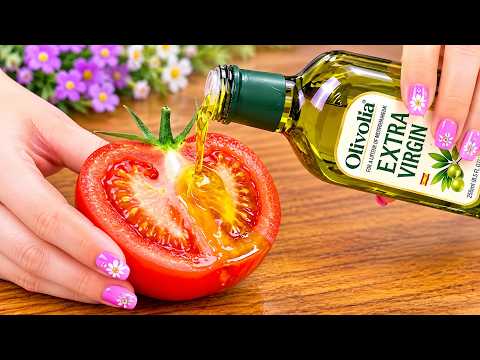
Olive oil provides the presentation with its clearest bridge between ancient food traditions and modern nutrition research. The discussion of its peppery sensation, oleocanthal and the PREDIMED trial gives viewers something more substantial than a simple appeal to scripture, and the practical advice about choosing, storing and using extra-virgin olive oil is easy to follow. The trouble begins when those findings are treated as evidence that biblical instructions anticipated modern biochemical knowledge, rather than as an interesting overlap between an ancient food and later research.
That pattern continues through fish, meat, pomegranate, garlic, eggs and fermented dairy. Specific mechanisms such as omega-3 intake, choline, garlic compounds, fermentation and the conversion of ellagic acid into urolithin A make the discussion engaging and give the recommendations a scientific vocabulary. Yet the presentation repeatedly jumps from potentially beneficial nutrients or individual study findings to sweeping conclusions about slowing aging, preserving youth and eating foods exactly as God intended. Calling beneficial compounds “medicine” also blurs an important distinction between nutritious foods and treatments with demonstrated clinical effects.
The biblical framing is inventive but frequently more confident than the evidence presented can support. Dietary rules concerning fish, Passover lamb, bitter herbs and olive oil are interpreted as remarkably precise health instructions, while cooking descriptions involving roasted lamb or fish over fire are presented as though their purpose was nutritional optimization. Even if the recommended foods or preparation methods have merits, the presentation does not establish that these ancient passages were prescribing them for the biochemical reasons supplied here.
Practical preparation advice is one of the more useful portions. Crushing garlic before cooking, keeping olive oil away from heat and light, eating whole berries rather than juice, retaining egg yolks and choosing cultured dairy all translate the larger argument into concrete actions. The repeated claim that modern processing has “thrown away the medicine,” however, oversimplifies complicated nutritional questions, and broad statements about farmed fish, refined salt and modern foods are delivered with considerably more certainty than the supporting material shown.
The Daniel section introduces an especially important contradiction and then handles it reasonably well at a practical level: a predominantly animal-food list is paired with periodic stretches of plant foods and water. The cited 2010 study is used to support reported improvements in cholesterol, LDL, blood pressure and C-reactive protein after 21 days, but a small short-term dietary study cannot demonstrate that the regimen makes people younger or validates Daniel as an ancient clinical trial. Calling the biblical account a controlled experiment also applies modern research terminology to a story that, as presented here, lacks many of the safeguards and measurements expected of contemporary clinical research.
Health guidance becomes most problematic when the presenter moves beyond ordinary food choices into fasting and disease-risk claims. The recommendation of 10-to-21-day Daniel fasts several times per year, alongside the suggestion that viewers could instead undertake water fasting, deserves more careful treatment than it receives. To the video's credit, it eventually warns people taking blood-pressure or blood-sugar medication to involve their doctor and identifies pregnancy, nursing, being underweight and a history of disordered eating as reasons not to follow the fasting approach. Those cautions are valuable, but they arrive after extensive language promising rejuvenation, “deep cleaning,” autophagy and a body that can become healthier and younger at 45 than at 25.
Pros
- Practical guidance on olive oil, garlic, whole fruit and fermented foods gives viewers several concrete dietary ideas rather than relying entirely on inspirational language.
- Specific studies, compounds and biological mechanisms are discussed, giving the argument more substance than a purely scriptural appeal.
- The presenter acknowledges that viewers do not need expensive versions of every recommended food and suggests introducing dietary changes gradually.
- Medication, pregnancy, nursing, low body weight and disordered-eating cautions provide important safety context for the fasting recommendations.
Cons
- Evidence for particular nutrients and cardiovascular markers is repeatedly stretched into much broader claims about reversing or dramatically slowing aging.
- Biblical passages are frequently interpreted as scientifically optimized nutrition instructions without establishing that the cited preparation rules had those purposes.
- Describing foods and their compounds as “medicine” encourages an overly simple equivalence between nutrition research and demonstrated medical treatment.
- The Daniel Fast study, as described, cannot support the much larger claim that the regimen makes people younger or validates the biblical story as a modern-style clinical trial.
- Suggestions involving repeated extended fasting and optional water fasting receive limited safety discussion relative to the strength of the health promises.
- The electrolyte sponsorship sits awkwardly inside an argument that modern processing has stripped natural foods of what people need.
There is a worthwhile collection of whole-food suggestions underneath the religious framing, and the practical preparation tips are often more convincing than the grand theory built around them. The presentation loses credibility when interesting nutritional research becomes proof of biblical scientific foresight and ordinary health benefits become promises of substantial rejuvenation. Its strongest material encourages sensible food choices; its weakest asks the evidence to support far more than it demonstrates.