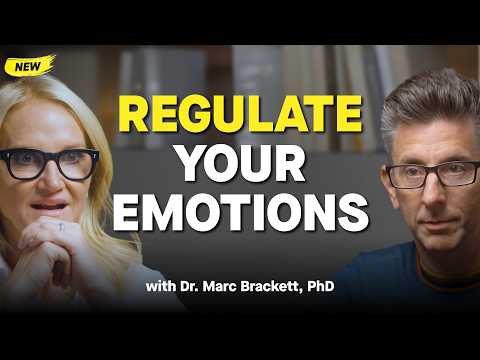
This motivational presentation centers on a simple but challenging premise: other people's words do not directly cause emotional pain—our reactions and existing beliefs about ourselves do. Rather than offering techniques for winning arguments or dealing with difficult personalities, the video argues that lasting emotional resilience comes from examining the stories we tell ourselves and strengthening our sense of self-worth. Throughout, the speaker combines personal anecdotes, philosophical reflections, practical self-improvement advice, and references to psychological research to encourage viewers to become less dependent on external validation.
One of the presentation's strongest qualities is its emphasis on personal responsibility without suggesting that harmful behavior from others should simply be tolerated. Early on, the speaker advises viewers to distance themselves from consistently negative or demeaning people while also recognizing that avoiding difficult individuals alone will not resolve deeper insecurities. This creates a balanced message that combines healthy boundaries with ongoing self-reflection.
A significant portion of the discussion explores the idea that criticism is most painful when it reinforces beliefs a person already holds about themselves. This concept is illustrated through relatable examples and quotations before expanding into the broader argument that emotional triggers can reveal unresolved insecurities. While many viewers may find this perspective useful as a framework for self-examination, it represents a philosophical and psychological interpretation rather than a universally established fact. People's emotional responses are influenced by many factors, including personality, relationships, circumstances, and mental health, making the experience of criticism more complex than any single explanation.
The presentation gradually shifts from emotional awareness to practical confidence-building. Instead of portraying confidence as the product of achievement alone, the speaker argues that confidence develops by repeatedly following through on personal commitments, especially when doing so is uncomfortable. Examples involving exercise, healthy habits, discipline, and consistency reinforce the broader message that self-trust grows through repeated action rather than occasional success. This practical section provides some of the video's most actionable advice and remains grounded in everyday behaviors that viewers can realistically apply.
The closing segment broadens the discussion by examining the influence of social circles. The speaker cites long-running research, including the Framingham Heart Study and additional work on social networks, to support the claim that behaviors and emotional states can spread through close relationships. While the presentation accurately reflects the general finding that social environments influence health and behavior, these studies identify correlations within social networks rather than proving that friends directly cause changes in another person's behavior. Even so, the overall recommendation to surround oneself with supportive, encouraging people is presented thoughtfully and aligns with widely accepted principles of healthy relationships.
As a motivational talk, the presentation succeeds because it remains focused on a coherent central theme instead of chasing quick fixes or simplistic affirmations. Its conversational style makes abstract concepts accessible, and the recurring emphasis on self-awareness, discipline, and personal growth gives the discussion a practical foundation. At the same time, several psychological ideas are presented confidently despite representing interpretations or personal philosophies that may not fully capture the complexity of emotional well-being for every individual.
Pros
- Presents a consistent and well-structured message centered on developing internal confidence rather than seeking external validation.
- Encourages healthy boundaries by recommending distance from persistently negative relationships.
- Offers practical suggestions for building self-confidence through discipline, consistency, and following through on personal commitments.
- Uses relatable stories and examples that make abstract psychological concepts easier to understand.
- Distinguishes between temporary emotional reactions and the longer process of personal growth and self-reflection.
- Ends with actionable advice that viewers can realistically incorporate into everyday life.
Cons
- Several psychological claims are presented as broadly applicable principles despite reflecting personal interpretation more than established consensus.
- The discussion gives relatively limited attention to situations involving genuine emotional abuse, trauma, or other circumstances where external behavior itself can have significant psychological effects.
- References to research are summarized briefly, leaving important nuances about correlation versus causation largely unexplored.
- Viewers seeking evidence-based psychological analysis may find portions of the presentation more motivational than scientifically rigorous.
This presentation delivers an engaging and encouraging exploration of confidence, emotional resilience, and self-development. Rather than focusing on changing other people, it repeatedly returns to the idea that greater freedom comes from strengthening one's relationship with oneself through self-awareness, discipline, and consistent action. Although some of its psychological conclusions extend beyond what can be firmly established by evidence and should be understood as motivational guidance rather than definitive fact, the overall message is constructive, practical, and easy to apply. For viewers interested in personal growth and developing greater emotional resilience, it offers a thoughtful perspective supported by relatable examples and clear, actionable advice. :::