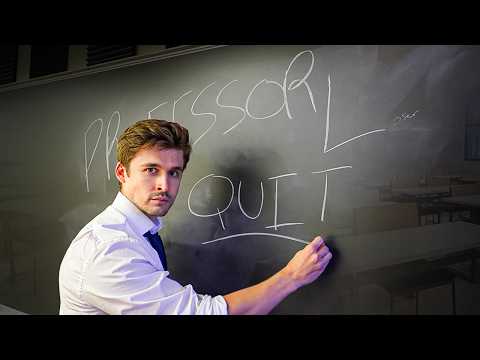
After more than a decade of interviewing people with disabilities and their families, Chris finds himself answering the questions instead of asking them. His wife and nonprofit partner, Alyssa, takes over the interviewer’s role, creating an unusually personal conversation about the philosophy, relationships, and everyday experiences behind Special Books by Special Kids (SBSK). The role reversal offers a refreshing departure from the channel’s familiar format, revealing a man whose commitment to kindness is matched by a competitive personality, an intense creative drive, and a determination to remain grounded despite considerable online recognition.
Chris begins by explaining the philosophy behind his signature opening question, which gives interviewees the freedom to determine how their stories are told. His approach emphasizes genuine curiosity rather than carefully constructed questions or attempts to maximize audience engagement. He describes listening without planning his next response, allowing conversations to unfold naturally, and making participants comfortable before filming begins. These explanations provide valuable insight into why SBSK interviews often feel so personal. Rather than presenting himself as an exceptionally gifted communicator, Chris argues that meaningful listening and basic kindness are skills anyone can develop, making his methods feel accessible rather than mysterious.
The conversation becomes particularly engaging when Chris discusses his life outside the channel. His enthusiasm for beach volleyball, long-distance running, and music reveals a more playful and competitive personality than viewers might expect. He describes playing volleyball almost daily, running 16 miles the previous morning, and finding inspiration in Bob Dylan’s refusal to compromise his artistic vision. His admiration for Dylan, Bob Marley, and Bruce Springsteen connects naturally to his own creative independence, particularly his resistance to shaping interviews around social media algorithms. These personal details are among the interview’s greatest strengths because they reveal how Chris maintains his enthusiasm for demanding work while preserving an identity beyond his public role.
Alyssa’s familiarity with Chris brings warmth and credibility to the discussion. Their contrasting personalities emerge through stories about traveling together, including an unexpected encounter with whales along California’s remote coastline after Alyssa researched when they might appear. Chris also remembers borrowing a stranger’s Volkswagen van during an early trip to Seattle and staying in a house with traveling artists. These anecdotes provide welcome variety while illustrating his willingness to embrace unexpected experiences. Alyssa occasionally challenges his descriptions of himself, particularly when discussing his competitive instincts and his tendency to underestimate his influence. However, her consistently affectionate approach means the conversation rarely develops into a genuinely challenging examination of his decisions or assumptions.
The discussion gains greater substance when it turns toward disability advocacy and the emotional demands of interviewing people experiencing difficult circumstances. Chris explains that hearing painful stories can contribute to exhaustion and occasional burnout, even when he finds the work deeply fulfilling. His reflections on community fundraising are especially thoughtful. He appreciates supporters helping families obtain essential accommodations and meet everyday expenses while expressing sadness that such basic needs are not already being met. Another memorable example involves a viewer who reportedly sought to rebuild a relationship with her mother after watching an interview about schizophrenia. Although these accounts are personal recollections rather than independently demonstrated outcomes, they effectively communicate the kinds of meaningful changes Chris hopes his work encourages.
The operational details offer another valuable perspective. Chris explains that he handles interviewing, filming, editing, production, and much of the travel coordination, while Alyssa manages important behind-the-scenes responsibilities. Despite describing billions of views across social platforms, they have deliberately maintained a two-person team rather than expanding into a larger production operation. Chris also explains why weekly publishing has become his preferred schedule, allowing him to maintain quality and pursue the work sustainably. His rejection of aggressive growth strategies and audience-retention optimization is consistent with his stated priorities. Nevertheless, his criticisms of technology companies and platform censorship remain largely personal interpretations, with little examination of particular incidents or the competing considerations involved in distributing sensitive content.
The interview’s biggest weakness is its considerable repetition. Chris frequently returns to the same principles of kindness, authenticity, creative freedom, and living in the present, sometimes offering nearly identical answers to differently worded questions. His relaxed conversational style occasionally produces forgotten questions, extended digressions, and answers that remain philosophical rather than specific. Alyssa generally allows these moments to continue instead of redirecting the discussion toward more revealing territory. Greater attention to difficult editorial decisions, participant representation, or the practical limitations of such a small organization could have added complexity. Even so, the conversation succeeds in presenting Chris as an approachable individual rather than an idealized symbol of compassion, making its central message more convincing.
Pros
- The reversal of interviewer and interviewee provides a revealing perspective on Chris, whose personality has generally remained secondary to the people featured on SBSK.
- Chris offers valuable insight into his interviewing philosophy, emphasizing attentive listening, participant comfort, and allowing individuals to guide their own stories.
- Discussions of beach volleyball, distance running, musical influences, and competitive friendships reveal a lively personality beyond his familiar on-camera demeanor.
- Alyssa’s personal relationship with Chris creates a comfortable atmosphere and introduces memorable anecdotes about their travels, professional partnership, and contrasting personalities.
- Reflections on disability advocacy, community fundraising, and the emotional weight of difficult interviews give the conversation meaningful substance beyond personal biography.
- The explanation of SBSK’s two-person operation, extensive travel requirements, editing process, and sustainable publishing schedule provides an informative look at the work behind the channel.
- Chris’s emphasis on ordinary, attainable kindness offers an encouraging alternative to portraying influential advocates as exceptionally virtuous individuals.
Cons
- Repeated discussions of kindness, authenticity, creative independence, and avoiding unnecessary growth make the lengthy conversation less focused than it could be.
- Alyssa’s supportive interviewing style occasionally limits deeper examination of challenging subjects, including editorial responsibility and the practical difficulties of operating a small nonprofit.
- Several questions produce broad philosophical responses or conversational tangents rather than specific examples, leaving potentially interesting subjects underexplored.
- Criticism of algorithms, technology companies, and platform censorship relies primarily on Chris’s personal perspective without developing the underlying issues in much detail.
- The relaxed structure sometimes sacrifices momentum, particularly when similar questions about motivation, mission, and future ambitions appear throughout the discussion.
Chris and Alyssa deliver a warm, revealing conversation that successfully humanizes the person behind one of YouTube’s most distinctive disability-focused interview projects. The personal stories, behind-the-scenes insights, and reflections on meaningful human connection provide considerable value, although repetition and a largely unchallenging interviewing approach limit its depth. Ultimately, the interview demonstrates that Chris’s greatest contribution may be his ability to make kindness and genuine curiosity seem like ordinary choices available to everyone.