A crowded Silverstone auction gives Calvin plenty to chase, from an Audi RS2 and Escort RS Turbo to an F10 M5 and an Elton John-owned Bentley. The early sections capture why these events can be so absorbing: guide prices are weighed against mileage and condition, bids climb beyond comfortable limits, and potentially tempting cars are abandoned when the numbers stop making sense. Calvin’s enthusiasm is obvious, but his experience as a used-car dealer also gives the browsing some practical substance rather than reducing everything to automotive window-shopping.
That combination works particularly well around cars such as the M5. Calvin acknowledges his attraction to the specification while remembering previous mechanical trouble, examining the auction condition information and completing a vehicle-history check before bidding. His reluctance to buy without starting or driving the car also illustrates the uncertainty inherent in an auction purchase. The sponsored CarVertical segment is conspicuous, but it at least connects naturally to the decision being made rather than appearing entirely detached from the surrounding story.
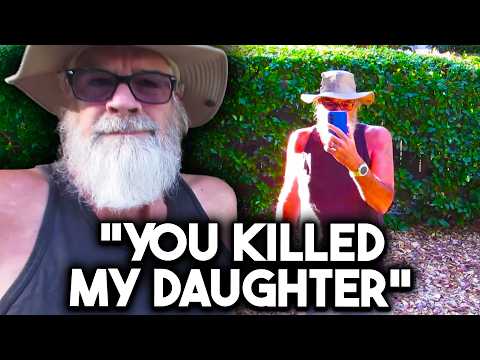
The day changes dramatically when Calvin’s 12-year-old son, Kai, says a security guard aggressively challenged him after he entered the hotel lobby looking for somewhere to sit. What actually occurred before Calvin arrived is presented through Calvin and Kai’s account rather than independent footage of the initial encounter, an important limitation given the seriousness of the criticism that follows. Later conversations provide some additional context: another security worker says that, as far as she is concerned, there is no age restriction preventing Kai from sitting there, and another staff member subsequently confirms that children can use the lobby seating. Those exchanges support Calvin’s contention about access to the area, but they do not independently establish every detail of the earlier confrontation.
Calvin’s strongest material comes when he focuses on being a father. His account of Kai’s premature birth explains why the incident affected him so intensely, while his decision not to turn an angry confrontation into a physical one gives the story a meaningful theme about responsibility and example-setting. Checking on Kai afterward and discussing what happened also brings a genuine father-son dimension to a channel installment that initially appeared destined to revolve entirely around buying cars.
The handling becomes much less persuasive when Calvin moves from describing observable behavior into diagnosing the security guard’s personality and private life. He repeatedly labels the man insecure and unhappy, speculates about how he behaves at home and on the road, comments disparagingly on his weight, and insists that he should lose his job. None of those broader conclusions can be established from the incident as presented. The extended monologues about accountability therefore undercut some of Calvin’s own message: advocating respectful treatment is more convincing when it stays focused on documented conduct rather than unsupported judgments about another person’s psychology.
Structurally, the confrontation also overwhelms the automotive story. Calvin openly acknowledges being distracted, misses cars going through the auction, repeatedly revisits essentially the same argument, and postpones revealing the two vehicles ultimately purchased until a follow-up. There are still entertaining flashes of auction action, including the M5 bidding and the eventual encounter with the buyer of the Elton John Bentley, but the promised car-buying adventure becomes secondary. As a personal vlog, the unexpected detour gives the installment emotion and stakes; as an auction video, it leaves several of its most interesting automotive threads unresolved.
Pros
- The auction sections combine genuine enthusiasm with useful discussion of mileage, condition, guide prices, mechanical risk, fees, and bidding limits.
- Calvin’s history with Kai gives understandable personal context to his reaction and adds emotional weight to their later father-son conversations.
- Follow-up conversations with other staff provide relevant additional context about whether children were permitted in the lobby area.
- The contrast between tempting cars and the risks of buying without a test drive captures the uncertainty of classic and performance-car auctions well.
Cons
- The initial interaction between Kai and the security guard is not shown, leaving important parts of the dispute dependent on Calvin and Kai’s account.
- Repeated speculation about the guard’s insecurities, private behavior, personality, and fitness for his job goes substantially beyond what the presented incident can establish.
- Insults and comments about the guard’s appearance weaken the broader message about respect and accountability.
- The confrontation consumes so much of the runtime that several auction prospects are missed and the two actual purchases are withheld for the follow-up.
What begins as an engaging hunt through desirable performance and classic cars becomes a much more personal story about Calvin protecting his son and trying to turn an unpleasant encounter into a lesson. The father-son material has genuine emotional force, but repetition and unsupported judgments about the security guard make the conflict less measured than it could have been, while the auction narrative never fully recovers its momentum.