Bobby Lee deciding to wrestle a professional fighter after watching his demonstration captures exactly why this comedy challenge becomes more entertaining than its simple premise suggests. Contestants arrive hoping to earn $1,000 by provoking a laugh, but Bobby, Andrew Santino, and KSI repeatedly turn themselves into participants rather than remaining passive judges. The unpredictable interaction between performers and panel gives the competition an appropriately loose, escalating energy.
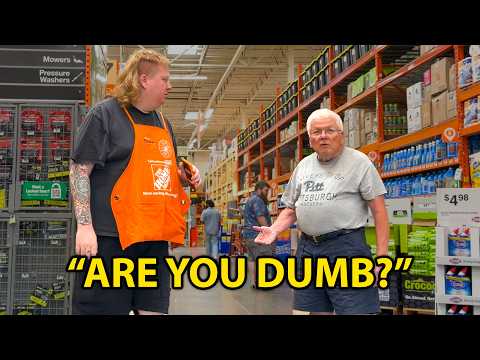
Bobby and Santino are particularly effective because their chemistry generates jokes even when contestants struggle. They riff on costumes, failed setups, awkward exchanges, and each other's reactions with little hesitation, while KSI frequently becomes the target or accomplice. A contestant temporarily taking over hosting duties and introducing his own punishment rules is a good example of the format being flexible enough to accommodate spontaneous bits instead of rigidly moving from one routine to another.
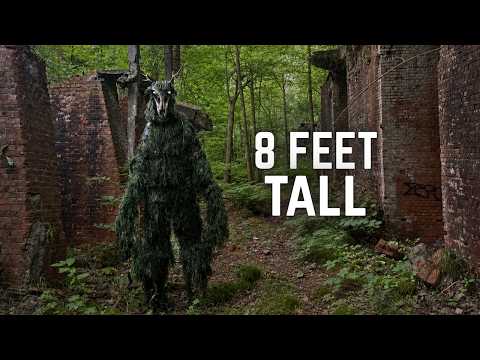
The contestants themselves range considerably in effectiveness, which is almost part of the entertainment. There is a milk-related visual gag, a tortilla-slapping challenge, peanut-butter makeup, bread thrown onto the floor, anime-inspired wrestling impressions, conventional joke telling, and an elaborate costume built around someone emerging as a giant piece of excrement. Some ideas barely get started before the judges derail them, while others succeed largely because of commitment or the unexpected conversation that follows.
Physical comedy supplies several of the biggest moments, although it also pushes the challenge toward unnecessary risk. The tortilla slap works because KSI participates willingly and the anticipation becomes part of the joke. Bobby's decision to wrestle a much larger professional fighter is considerably more reckless: the immediate concern after he is thrown down makes clear that the stunt has moved beyond a harmless comedy bit. It produces an extraordinary reaction, but also demonstrates the downside of a format where escalation is constantly rewarded.
Several routines also depend on intentionally provocative material involving race, disability, sex, bodily functions, and other potentially uncomfortable subjects. The performers generally treat offense itself as another ingredient in the improvisation, and Bobby and Santino enthusiastically amplify that atmosphere. Viewers who enjoy the Bad Friends style of boundary-pushing conversation will probably find plenty to appreciate, but others may find that some jokes rely more heavily on shock, stereotypes, or discomfort than on especially inventive setups.
The challenge is funniest when failure becomes useful material rather than simply dead air. One nervous contestant openly struggles to roast Bobby despite being encouraged to attack him harder, and another unexpectedly delivers a sincere explanation of how KSI helped him through a difficult childhood. These moments break the competitive rhythm, but the panel's willingness to improvise around awkwardness keeps the proceedings moving. The constantly shifting roles also prevent the repeated contestant entrances from becoming mechanically predictable.
There is little interest in maintaining a precise competitive structure, and that ultimately works both for and against the presentation. Laughs are debated, money is awarded through spontaneous reactions, contestants occasionally receive extra opportunities, and the hosts sometimes seem more interested in entertaining themselves than objectively judging performances. As a serious contest it is inconsistent, but as a comedy showcase built around unpredictable encounters, that looseness creates many of its most memorable moments.
Pros
- Bobby Lee and Andrew Santino generate substantial comedy through fast improvisation and their natural chemistry.
- Contestants bring a wide variety of routines, costumes, physical bits, jokes, and deliberately strange concepts.
- Weak or awkward performances frequently become entertaining because the judges improvise around them rather than simply moving on.
- The flexible format allows spontaneous moments, including contestants interacting directly with or temporarily replacing the hosts.
Cons
- The judging and $1,000 reward structure are extremely loose, making the competition itself feel largely incidental.
- Some humor depends heavily on shock, stereotypes, sexual jokes, and deliberately uncomfortable material.
- Bobby wrestling a professional fighter introduces unnecessary physical risk for the sake of escalating a comedy bit.
- Constant interruptions sometimes prevent contestants from fully presenting the routines they prepared.
The simple laugh-for-cash premise works mainly because Bobby Lee, Andrew Santino, and KSI refuse to behave like conventional judges, turning awkward performances and spontaneous mistakes into much of the entertainment. Its deliberately offensive humor, inconsistent rules, and occasional recklessness will narrow the audience, but the combination of committed contestants and unpredictable improvisation produces a consistently lively comedy challenge.