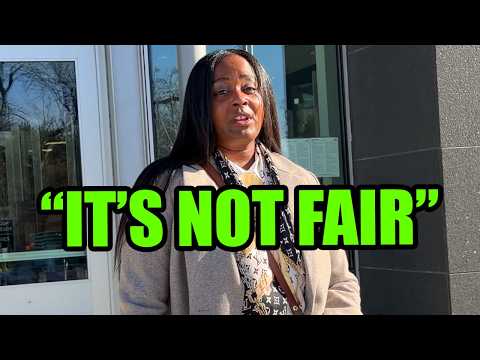
Sunny Hostin’s comments about the Nolan Wells case become the central target of a forceful argument that media figures should face consequences when suspicion is presented as fact. The host focuses particularly on Hostin’s remarks about racial undertones, Wells being the only Black person among white companions, the handling of his phone and questions about why his friends did not immediately contact his parents. Rather than merely criticizing those remarks, he enthusiastically welcomes the prospect of litigation and repeatedly says he hopes everyone who spread false claims gets sued.
The most useful section directly compares one disputed claim with an interview from one of the young men. Hostin says the friends returned without Wells and questions why they would not immediately contact his parents, while the interviewee describes asking others whether anyone had seen Wells, obtaining his mother’s number, calling her and then contacting the Coast Guard at roughly 11 p.m. That contrast gives viewers something concrete to evaluate rather than relying entirely on the host’s outrage. Even so, the excerpt alone does not establish every relevant detail of the timeline, so declaring that Hostin definitively “lied” goes further than the material presented can independently prove.
A second interview provides important context about the consequences of the public accusations. One young man says he wishes Wells were still alive and describes how social-media posts identifying him and others helped fuel a nationwide narrative. That material makes the broader discussion of reputational harm considerably more substantive, particularly alongside references to the young men being threatened and accosted. It also reminds viewers that a death sits at the center of the controversy, although the host’s combative delivery sometimes pushes that human dimension into the background.
The legal development itself requires more precision than the presentation consistently provides. A quoted attorney statement says pre-suit demand and notice letters have been sent and warns recipients that lawsuits will follow unless they act to undo alleged harm. That is significant, but threatened litigation is not the same thing as a court finding that Hostin or anyone else committed defamation. Likewise, an attorney asserting that his clients possess strong evidence and that prospective opponents will be “annihilated” in court represents advocacy from one side of a dispute, not an established judicial conclusion.
That distinction matters because the host frequently adopts the lawyers’ position as settled fact. He moves quickly from disputed statements to assertions that people “lied,” deserve lawsuits and should potentially be financially ruined, without walking through the elements of a defamation claim or identifying exactly which statements appear in the reported notice to Hostin. The result is emotionally clear but legally underdeveloped. A stronger treatment would have separated inaccurate statements, potentially defamatory assertions, disputed interpretations and legally actionable defamation rather than treating them as interchangeable.
The presentation is intentionally brief and energetic, and the embedded clips do most of the substantive work. Viewers hear Hostin’s remarks, a young man’s account and an attorney explaining the threatened litigation rather than receiving only secondhand paraphrases. However, a lengthy privacy-service advertisement, repeated calls to subscribe and the host’s celebration of potential financial punishment consume considerable space in what is described as a quick synopsis. The title’s suggestion that Hostin’s career is in jeopardy is also much stronger than anything demonstrated in the material presented; the discussion establishes a reported legal threat, not evidence about her employment status or professional future.
Pros
- Directly juxtaposes Hostin’s comments with an interview offering a materially different account of when Wells’ mother and the Coast Guard were contacted.
- Includes the attorneys’ reported statement about pre-suit notices rather than relying entirely on the host’s characterization of the legal development.
- Gives one of the young men space to describe the reputational consequences of the allegations and the way the story spread nationally.
- Raises a legitimate journalistic issue about verifying serious allegations before presenting them to a large audience.
Cons
- Treats allegations of defamation and threatened lawsuits too often as though liability has already been established.
- Declares that Hostin “lied” without demonstrating that she knowingly made a false statement rather than repeating or interpreting information she believed to be accurate.
- The attorney’s aggressive predictions about crushing prospective lawsuits are presented without meaningful scrutiny or an opposing legal perspective.
- The claim that Hostin’s career is in jeopardy is not substantiated by the material presented.
- Repeated wishes that commentators be sued into financial ruin make the segment feel more celebratory than analytical.
- The promotional material and repeated engagement requests take disproportionate space in an otherwise short update.
The strongest material comes from putting disputed public claims beside firsthand accounts and showing why the young men and their attorneys believe serious reputational harm occurred. The segment becomes less persuasive when accusations, threatened litigation and proven defamation blur together, while its dramatic framing reaches beyond what the presented evidence establishes. A more careful legal distinction would have made this a stronger accountability-focused update.