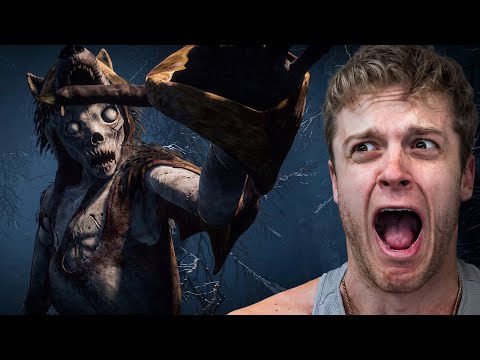
A sudden flood of suspicious accounts transforms DougDoug's Twitch chat into an unpredictable comedy experiment, as the streamer becomes more interested in understanding the disruption than stopping it. Instead of immediately removing the apparent bots, he encourages his moderators to hold off while he investigates their behavior. What begins as confusion over repetitive messages and questionable viewer activity gradually becomes an absurd confrontation between a streamer, his audience, and an unidentified person apparently controlling the accounts.
DougDoug's initial curiosity gives the situation an entertaining foundation. He questions why someone would spend money flooding his channel with bots, particularly when the apparent increase in viewership is negligible. His uncertainty about whether the accounts are attempting to inflate viewer numbers, send private messages, or simply disrupt the conversation feels genuine. The situation becomes particularly amusing when he jokes about secretly orchestrating the entire incident while pretending to be mystified by it. These moments establish the spontaneous, self-aware humor that drives the stream.
The comedy becomes more distinctive when DougDoug starts treating the bots as unwanted visitors who deserve a welcoming community. He compares their repeated appearances in unfamiliar chats to children constantly changing schools, then invites them to participate in the channel's usual nonsense. As legitimate viewers begin imitating the suspicious messages, identifying actual bots becomes increasingly difficult. The central joke evolves naturally: the supposed attack is losing its effectiveness because the audience is enthusiastically participating in the disruption. DougDoug's observation that his channel might be unusually resistant to viewbotting because its normal conversation already resembles automated spam captures the absurdity perfectly.
One of the funniest developments involves the apparent bot controller repeatedly claiming that innocent viewers have been banned. Rather than responding with guilt or frustration, DougDoug turns the accusation into an exaggerated moral confrontation. He demands that the bots tell a knock-knock joke, prepares a laugh track for the anticipated punch line, and eventually interprets their dramatic warnings as part of the joke itself. The humor comes from the contrast between the apparent intruder's threatening language and the streamer's determination to make the interaction entertaining. However, the actual intentions of whoever controlled the suspicious accounts remain unclear, and DougDoug's interpretation of their motives is speculative.
The audience's participation adds another layer of entertainment. Viewers deliberately copy suspicious messages, pretend to be bots, and debate whether anyone in the conversation is still human. DougDoug builds on this confusion by imagining a future society ruled by robots, where humans must imitate automated accounts to survive. The increasingly ridiculous exchanges demonstrate his strength at turning unexpected audience behavior into improvised comedy. Even the appearance of mathematical messages becomes an opportunity for jokes rather than an interruption requiring immediate resolution.
The presentation does have limitations. The repeated uncertainty about whether bots have returned, combined with extended stretches of identical messages and recurring accusations about banned viewers, occasionally causes the comedy to circle familiar territory. Interruptions involving gameplay provide brief changes of pace, but the gameplay itself receives little sustained attention. Viewers unfamiliar with DougDoug's chaotic streaming style may also struggle to follow the shifting conversation, particularly when jokes depend on understanding the distinction between genuine viewers, automated accounts, and people pretending to be automated accounts.
The closing assessment provides an appropriately self-aware conclusion. DougDoug jokingly rates the supposed bot attack a six out of ten, criticizing its repetitive writing and apparent inability to adapt when the streamer refuses to react as expected. This playful reversal turns the disruptive visitor into an unwilling participant in an improvised comedy performance. Although the stream never establishes precisely who organized the activity or why, the unresolved mystery becomes secondary to the entertainment created around it. The result is an amusing demonstration of DougDoug's improvisational instincts, even if the extended repetition sometimes weakens the momentum.
Pros
- Transforms an unexpected wave of suspicious chat activity into an entertaining, spontaneous comedy scenario.
- DougDoug's curiosity about the bots' purpose creates a natural foundation for increasingly absurd interactions.
- Audience participation cleverly blurs the distinction between legitimate viewers and automated accounts, strengthening the central joke.
- The knock-knock joke challenge, dramatic accusations, and exaggerated robot society scenario provide memorable comedic developments.
- DougDoug's willingness to embrace the disruption rather than immediately shut it down demonstrates effective improvisation and audience engagement.
- The closing mock review of the bot attack delivers a fitting, self-aware comedic payoff.
Cons
- Repeated speculation about whether the bots have returned occasionally slows the pacing without introducing meaningful developments.
- Extended stretches of repetitive chat messages make portions of the interaction difficult to follow.
- Gameplay interruptions sometimes interrupt the comedic progression without contributing significantly to the central premise.
- The actual source, motivations, and extent of the suspicious activity remain unresolved, limiting the incident's value as an examination of viewbotting.
- The chaotic presentation relies heavily on familiarity with DougDoug's streaming culture, making some jokes less accessible to newcomers.
DougDoug delivers an entertaining example of how spontaneous audience interaction can transform an attempted disruption into collaborative comedy. His quick improvisation, willingness to embrace absurdity, and playful engagement with the apparent bot controller produce several genuinely memorable moments, although repetition and confusing chat activity occasionally weaken the pacing. The experience succeeds far more as an unconventional comedy performance than as an informative look at viewbotting, but its unpredictable humor makes it an enjoyable showcase of the streamer's personality.