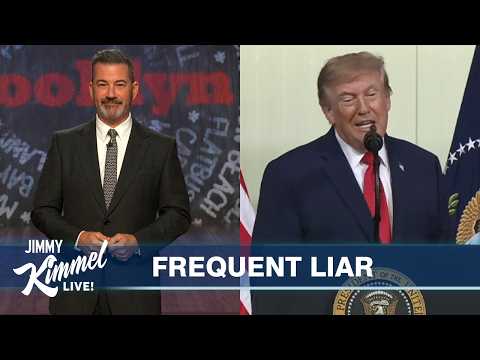
Donald Trump’s explanation for the Republican midterm losses is that his voters would have shown up if he had been on the ballot. Douglas Murray puts that explanation beside the historical headwinds he says face parties that control Washington, then adds the cost of living, inflation, and war to the list of possible factors. It’s a clear opening that gives the defeat several plausible explanations, though the conversation moves on before weighing them against one another.
Murray is more interested in what the results mean for conservatives who thought the 2024 election had settled some of the cultural fights they’d been having. His admission that he shared that expectation gives the exchange a welcome measure of self-reflection. The discussion of election-night coverage is less probing. Murray and Dave trade examples of which candidates’ demographic milestones they remember seeing celebrated, then infer a partisan pattern from a handful of recollections.
The Michigan Senate discussion shows the limits of their easy rapport. Dave points to the winner’s remarks about Palestinian right of return, a specific part of the victory speech the two could have examined in more depth. He quickly moves to an alleged Muslim Brotherhood connection and predictions about how the senator will spend his time. The exchange supplies no evidence for the alleged connection, and Murray’s agreement leaves little room to test the assumptions behind it.
Dave’s question about Jeremy Corbyn’s Labour Party produces a more considered answer. Murray identifies a difference that complicates the comparison. Corbyn gave Labour a recognizable leader, while Murray sees Democrats as a party with no clear front-runner. That distinction gives some weight to his question about whether party leaders will follow the candidates who can mobilize volunteers. His contrast between the enthusiasm for Mamdani and the pull of a figure like Chuck Schumer makes the argument easy to follow, even as claims about which voters decided Michigan go unexamined.
Murray also keeps the scale of his prediction in view at moments. He reminds Dave that the Michigan winner is one senator and briefly grants that the Republican Party underwent its own shift in the Trump era. Those concessions give the interview some texture, especially when Murray talks about where he sees activist energy. The discussion has enough competing ideas to sustain a longer look at the midterm results, which makes the decision to leave them behind more noticeable.
After Murray is thanked, the closing speaker shifts to a direct appeal for viewers to support Trump’s policy toward Iran. The change in tone is abrupt. The speaker treats lower gas prices and a more stable Middle East as expected outcomes, with little discussion of what those forecasts depend on. The title promises an account of Trump’s intentions from the beginning, yet the closing appeal rests largely on the speaker’s confidence that he is following through on his promises.
Pros
- Murray gives the Republican losses several plausible explanations in a compact opening.
- Murray’s admission that he misread the durability of the culture-war debates adds some self-scrutiny to a sympathetic interview.
- The Labour comparison sharpens when Murray considers how the absence of a clear Democratic leader could affect the party’s direction.
- The contrast between Mamdani and Schumer gives viewers a concrete way to think about the difference between party standing and grassroots enthusiasm.
- Murray’s reminder that the Michigan winner is one senator gives his broader warning a sense of proportion.
Cons
- The interview moves away from the Republican losses before testing its opening explanations against specific results.
- The claim of partisan bias in election-night coverage rests on a small set of examples recalled by the speakers.
- The alleged Muslim Brotherhood connection goes unsupported and unchallenged.
- The closing appeal on Iran breaks the flow of the interview and gives its forecasts little scrutiny.
- The title promises more insight into Trump’s original strategy than the discussion delivers.
Murray gives the interview some substance when he considers how an election can change whose voices carry weight inside a party. The conversation would carry more authority if Dave pressed him as readily on his evidence as he does on his predictions. By the time the closing appeal turns to Iran, the question of what cost Republicans the midterms feels unfinished.