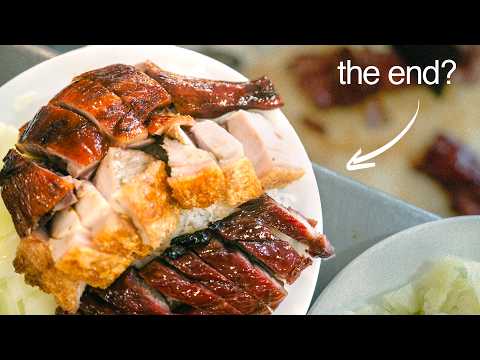
Empty dining rooms, shrinking portions, and increasingly expensive meals have become familiar complaints among American restaurant customers. From a Denny's employee showing a restaurant without customers to a small business owner reporting sales declines of approximately 30%, this examination of the restaurant industry's struggles presents a troubling picture of changing consumer behavior. The central argument is that restaurants spent years increasing prices and introducing additional charges until customers began reconsidering whether eating out was worth the expense. Through customer complaints, employee accounts, restaurant closures, and examples of changing menu prices, the presentation builds an engaging case that declining value has damaged the relationship between restaurants and their customers.
The discussion establishes its argument through recognizable examples of restaurant pricing that make the financial frustration easy to understand. A Miami couple reportedly spending $300 on dinner, customers encountering $14 to $16 fast-food combinations, and a $67 order consisting of pizza, wings, and a drink illustrate how expensive ordinary dining experiences can become. The comparison between McDonald's meals and Chili's advertised $9.99 lunch special is particularly effective because it challenges the assumption that fast food automatically offers better value than traditional sit-down restaurants. The observation that some chains reserve their best discounts for mobile applications also introduces a relevant consumer concern about convenience, loyalty programs, and the exchange of personal information for lower prices. However, the presentation sometimes treats individual receipts and advertised promotions as representative of broader industry pricing without consistently accounting for regional differences, meal sizes, or promotional restrictions.
One of the more valuable sections acknowledges that restaurant pricing involves pressures beyond corporate greed. The discussion of declining cattle inventories, concentrated beef processing, rising agricultural expenses, and increasing brisket costs provides context for why certain menu items have become difficult to price affordably. A barbecue restaurant operator explaining that brisket loses approximately 40% to 50% of its weight during preparation offers a particularly useful illustration of costs customers rarely consider. The example of a restaurant potentially removing brisket rather than reducing portions also complicates the narrative by showing how operators can struggle to maintain value while facing higher expenses. Nevertheless, several agricultural statistics and claims about industry concentration are delivered without sufficient supporting context, making it difficult to determine how directly each factor contributes to the restaurant prices being criticized.
Customer dissatisfaction with portion sizes and food handling supplies another major part of the argument. Complaints about smaller Jersey Mike's sandwiches, alleged Chipotle portion-control instructions, and a $20 seafood bowl containing relatively little shrimp or meat emphasize the frustration of paying more while receiving less. The discussion becomes more concerning when footage allegedly showing improperly stored chicken and meat handling practices raises questions about restaurant sanitation. These examples effectively demonstrate how perceived value depends on more than the advertised price, but the commentary occasionally moves too quickly from individual accounts to accusations of deliberate corporate deception. Claims that employees are systematically trained to minimize portions, along with suggestions that private equity ownership directly caused specific product changes, require stronger verification than the selected customer and employee accounts provide.
The examination of additional charges and tipping expectations is among the presentation's most relatable material. A restaurant customer discovering a $10 dining fee, a drive-through customer challenging a seemingly preselected 20% tip, and another diner identifying a mandatory 25% gratuity demonstrate how unexpected additions can undermine confidence in the final bill. The comparison between percentage-based tips on inexpensive and expensive meals also raises a legitimate question about whether menu prices accurately reflect service effort. However, the argument simplifies an issue involving service quality, restaurant compensation, customer expectations, and differing tipping arrangements. Likewise, the presentation does not consistently distinguish legally disclosed service charges from unauthorized additions or optional gratuities, limiting its usefulness as practical consumer guidance.
Restaurant closures give the discussion a more consequential dimension beyond frustrating receipts. Accounts of abrupt shutdowns in Orlando and Nashville, the disappearance of a longstanding restaurant chain, and the closure of a neighborhood establishment in West Boca illustrate how declining business can affect workers, regular customers, and entire communities. The account of an employee with 25 years of service facing an uncertain future adds a human perspective that prevents the discussion from becoming exclusively celebratory about struggling restaurants. Particularly revealing is the footage of customers lining up outside a 70-year-old restaurant before its final closing, demonstrating that restaurants can retain substantial emotional importance even when their business models are no longer sustainable. Still, the presentation often implies that these closures directly resulted from excessive pricing without establishing the specific financial circumstances behind each decision. The earlier example of businesses near a military installation experiencing declining traffic during a possible government shutdown further suggests that reduced spending can have causes unrelated to restaurant pricing.
The energetic narration, frequent customer reactions, and steady progression from pricing complaints to restaurant closures create an accessible and often persuasive viewing experience. The use of firsthand accounts makes abstract economic concerns tangible, while examples of home cooking and discounted family meals offer a practical counterpoint to rising menu prices. The conclusion also provides an important qualification by distinguishing restaurants that exploit customers from independent operators struggling with genuine costs. Unfortunately, the repeated emphasis on corporate greed, dramatic language, and rapid movement between unrelated establishments sometimes create a stronger impression of industry-wide collapse than the evidence supports. The argument would be more convincing with sustained restaurant sales data, clearer distinctions between chains and independent businesses, and greater attention to the different economic pressures influencing customer traffic.
Pros
- The opening footage of nearly empty restaurants immediately establishes the financial pressures facing businesses that depend on consistent customer traffic.
- Specific examples of expensive restaurant bills and fast-food combinations make consumer dissatisfaction understandable and relatable.
- The comparison between McDonald's pricing and Chili's advertised lunch special effectively challenges assumptions about affordable dining options.
- The discussion of cattle shortages, beef processing concentration, and brisket preparation costs acknowledges legitimate expenses affecting restaurant operators.
- Customer accounts involving smaller portions, unexpected fees, and aggressive tipping expectations highlight several distinct ways dining value can deteriorate.
- The coverage of restaurant closures and longtime employees adds emotional depth by examining the consequences for workers and communities.
- The energetic narration and varied firsthand footage maintain engagement while presenting a wide range of restaurant industry complaints.
Cons
- Broad conclusions about restaurant closures and declining customer traffic rely heavily on selected anecdotes rather than comprehensive industry performance data.
- Several claims about agricultural costs, corporate ownership, and deliberate portion reductions lack sufficient evidence to establish the alleged causes.
- Comparisons between fast-food combinations and promotional sit-down meals overlook differences in location, serving sizes, and promotional conditions.
- The discussion of tipping practices and additional service charges oversimplifies distinctions between voluntary gratuities, mandatory fees, and potentially unauthorized charges.
- Restaurant closures are frequently connected to excessive pricing without adequately examining other possible causes, including operating expenses, competition, and changing local economic conditions.
- Repetitive complaints and dramatic narration occasionally substitute emotional emphasis for deeper economic analysis.
This compelling examination of restaurant affordability captures the growing frustration of customers who feel that higher prices, smaller portions, and unexpected charges have made dining out increasingly difficult to justify. Its strongest moments combine recognizable consumer experiences with an acknowledgment that restaurant operators also face legitimate financial pressures and that closures carry consequences beyond corporate profits. Although selective evidence and occasionally sweeping conclusions weaken its broader economic argument, the presentation succeeds as engaging consumer commentary that encourages viewers to reconsider the relationship between restaurant pricing, perceived value, and customer loyalty.