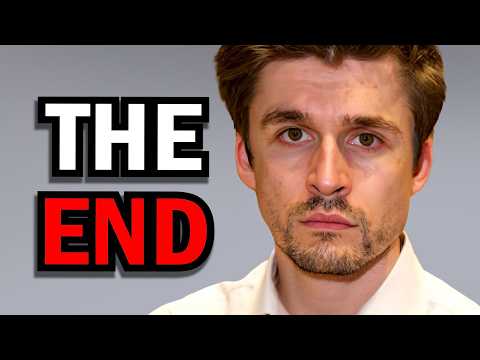
The abrupt disappearance of consciousness is framed as both anesthesia’s greatest benefit and its most unsettling feature. Rather than reducing the experience to “going to sleep,” the presentation walks through pre-medication, induction, assisted breathing, paralysis, monitoring, emergence, and recovery while emphasizing how little of that process patients actually remember. That structure gives the subject a strong narrative arc and makes an intimidating medical procedure easier to visualize.
The explanation of induction is particularly effective because it connects each step to its practical purpose. Pre-oxygenation is described as creating an oxygen reserve before breathing is taken over, while the induction drug is presented as acting within seconds and potentially causing a brief burning sensation. The distinction between natural sleep and anesthesia-induced unconsciousness is also useful. However, some statements become more absolute than the discussion supports, particularly claims that there is categorically “no dreaming” or that particular brain networks simply “go dark,” when the presentation itself acknowledges that the mechanisms underlying consciousness and anesthetic-induced unconsciousness remain incompletely understood.
The operating-room section succeeds at showing anesthesia as an actively managed process rather than a drug administered and forgotten. Intubation, mechanical ventilation, neuromuscular blockade, blood-pressure management, oxygen and carbon-dioxide monitoring, temperature control, and adjustments to anesthetic depth are woven into a coherent picture of continuous supervision. The discussion of accidental awareness is similarly reassuring without pretending the risk is nonexistent, although the specific incidence figures and several other numerical medical claims would be stronger with visible sourcing rather than being presented solely through narration.
The focus on older adults gives the presentation its most consequential material, but also creates its greatest need for precision. Persistent cognitive problems after surgery and acute postoperative delirium are described as meaningful concerns for seniors, with possible symptoms including memory problems, slowed thinking, disorientation, hallucinations, and personality changes. Importantly, the presentation does not claim that anesthesia alone necessarily causes every postoperative cognitive change; surgery-related inflammation, sleep disruption, medication effects, and pre-existing brain changes are also raised as possible contributors. Still, the broad estimate that 10% to 40% of older patients experience measurable cognitive decline after major surgery covers a very wide range and would benefit from clearer explanation of how studies define and measure that decline.
A particularly good corrective arrives when regional anesthesia is discussed. After suggesting that avoiding full general anesthesia might seem preferable for an aging brain, the speaker explicitly notes that a cited 2022 meta-analysis involving 3,555 patients over 65 found no significant difference in postoperative cognitive dysfunction or delirium between regional and general anesthesia at the measured time points. That qualification prevents the practical advice from turning into an unsupported promise and reinforces the more appropriate message: anesthesia choices depend on the procedure, anatomy, medical history, and clinical judgment.
The practical guidance is among the most useful material. Viewers are encouraged to discuss cognitive risk, medication and supplement use, possible regional techniques, and postoperative warning signs with their anesthesia team. The distinction between immediate delirium and cognitive changes persisting over subsequent weeks also gives families something concrete to watch for. At the same time, instructions surrounding fasting are presented too universally; telling viewers simply to consume nothing after midnight leaves little room for procedure-specific instructions from their own medical team, despite the otherwise repeated emphasis on individualized care.
Presentation choices occasionally undermine an otherwise serious and patient-centered explanation. The opening story of an older teacher afraid of emerging from surgery cognitively changed provides an effective emotional anchor, and returning to her recovery gives the piece closure. Yet repeated requests to type numbers or “yes” in the comments interrupt the medical explanation at precisely the points where attention should remain on risk and evidence. The rhetoric can also become unnecessarily dramatic—describing consciousness as being chemically erased and emphasizing helplessness under paralysis creates vivid imagery, but sometimes intensifies fear before the later reassurance restores balance.
Pros
- The step-by-step journey from pre-medication through induction, ventilation, monitoring, emergence, and recovery makes a complicated medical process accessible.
- Older adults receive concrete questions to discuss with their anesthesia team and useful postoperative warning signs to recognize.
- The regional-versus-general anesthesia discussion explicitly acknowledges mixed evidence instead of presenting regional anesthesia as a guaranteed way to protect cognition.
- Postoperative cognitive changes are presented as potentially multifactorial rather than automatically blaming anesthesia alone.
- The overall message ultimately balances legitimate risks with recognition that necessary surgery and modern anesthesia can provide major benefits.
Cons
- Several medical statistics and physiological claims are presented without enough visible sourcing or context to judge how broadly they apply.
- Some descriptions of consciousness, dreaming, and brain activity under anesthesia are more categorical than the acknowledged scientific uncertainty warrants.
- The 10% to 40% estimate for postoperative cognitive decline is too broad to be especially informative without explaining differences in definitions, procedures, or follow-up periods.
- The blanket instruction not to eat or drink after midnight oversimplifies fasting guidance that should follow the patient’s specific medical instructions.
- Repeated comment-engagement prompts and occasionally ominous language interrupt an otherwise focused medical explanation.
Turning an unfamiliar operating-room process into a comprehensible sequence gives older patients useful context for conversations with their medical team, especially around cognition, medications, and recovery. The presentation is strongest when it acknowledges uncertainty and individual variation, while some sweeping neurological statements and lightly contextualized statistics keep it from being as medically rigorous as its confident delivery suggests.