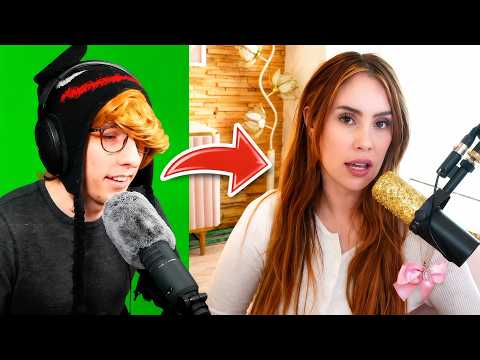
Quirky Love Rosie's transformation from a determined weight loss advocate into a controversial figure within YouTube's reaction community provides the foundation for a sharply critical and frequently outrageous commentary. The creator, performing as a clown and presenting the internet as a modern-day circus, examines how Rosie went from inspiring viewers with her efforts to improve her health to attracting attention for lengthy cooking livestreams, public arguments, emotional outbursts, and increasingly questionable lifestyle choices. The circus framing gives the presentation a distinctive personality, although its repeated comparisons between overweight influencers and historical sideshow attractions establish a particularly harsh tone.
One of the more interesting elements is the creator's previous connection with Rosie. Having interviewed her approximately two years earlier, the narrator remembers someone who appeared motivated to lose weight, improve her mobility, and distance herself from the online communities that encouraged excessive eating. The retrospective explores Rosie's religious upbringing, her accounts of childhood abuse, and her involvement in fetish-oriented content, including a relationship she described as exploitative and an alleged stalking and blackmail experience. These details provide important context for understanding Rosie's relationship with food, body image, and online attention. The creator occasionally demonstrates genuine sympathy, particularly when discussing Rosie's earlier experiences, but the surrounding jokes sometimes undermine the seriousness of those disclosures.
The examination of Rosie's changing relationship with the body positivity and fat acceptance communities adds another meaningful dimension. Earlier statements show Rosie questioning beliefs she had previously promoted and arguing that self-acceptance should not prevent someone from pursuing better health. Her expressed desire to lose weight without hating herself presents a more thoughtful perspective than the surrounding spectacle might suggest. The creator effectively contrasts that earlier determination with Rosie's more recent content, particularly her apparent return to filming meals and discussing physical limitations. However, the presentation frequently treats weight gain and frustrating personal habits as proof of failed commitment without sufficiently acknowledging that changes in body weight, disability, and behavioral patterns can have complicated causes.
The conflict involving reaction creator Zachary Michael is among the better-developed sections because it provides a recognizable sequence of events and competing accounts. Rosie repeatedly contacted Zach, encouraged reactions to her content, offered information about other influencers, and later became upset when his commentary turned critical. The narrator uses excerpts of their exchanges and public responses to illustrate the apparent contradiction between Rosie seeking attention from reaction channels and subsequently objecting to that attention. Allegations involving Reddit activity, personal disputes, and Zach's treatment of his dog further demonstrate how quickly online disagreements can escalate. Although the creator sometimes acknowledges uncertainty, several accusations are treated with more confidence than the available material establishes, particularly when supporting clips are missing.
The extended examination of Rosie's current uploads supplies much of the comedy. Cooking sessions involving chili dogs, mango sticky rice, multiple soft drinks, and lengthy stretches of inactivity become opportunities for exaggerated commentary about the difference between ordinary domestic routines and the high-quality entertainment Rosie once promised to produce. Her difficulty chopping onions, reliance on a rolling kitchen chair, reaction to an open refrigerator, and interactions with her boyfriend Remi provide memorable examples of the mundane moments that reaction channels turn into entertainment. The narrator's expressive delivery, sarcastic observations, and recurring circus references create a recognizable comedic identity. Nevertheless, the same jokes about Rosie's weight, food consumption, cleanliness, and mobility become repetitive, occasionally turning potentially reasonable criticism of her content into prolonged personal ridicule.
The discussion of Rosie's reported diagnoses and physical complaints is considerably less convincing. Rosie describes living with conditions including PTSD, depression, ADHD, and diabetes while also discussing unsuccessful attempts to obtain an autism diagnosis and possible additional chronic illnesses. The creator questions whether some symptoms reflect obesity rather than separate medical conditions, using Rosie's apparent ability to move quickly during a refrigerator incident as evidence that her limitations may be exaggerated. These observations cannot establish whether someone is genuinely disabled or experiencing intermittent symptoms, and the repeated suggestion that Rosie is simply making excuses lacks meaningful medical support. The commentary raises understandable questions about consistency and personal accountability, but its willingness to speculate about health conditions weakens its credibility and risks reinforcing stereotypes about people with disabilities.
Rosie's relationship with Remi and the possibility of appearing on a TLC reality program round out the discussion. The creator questions the couple's age difference, the decision to share intimate interactions publicly, and whether Remi's presence encourages Rosie's unhealthy habits. Some of these observations reinforce the broader theme of turning private life into online entertainment, while others rely on subjective assumptions about the couple's maturity and compatibility. Similarly, the suggestion that Rosie may enter reality television is based on speculation surrounding a reported appearance near Dr. Proctor's office rather than a confirmed production announcement. The conclusion that Rosie might benefit from stepping away from social media is one of the presentation's more reasonable suggestions, but it arrives after an extended demonstration of the very public humiliation and attention-driven entertainment the creator claims to question.
Pros
- The creator's previous interview with Rosie provides valuable firsthand context and establishes a meaningful comparison between her earlier weight loss ambitions and current online persona.
- Detailed background on Rosie's upbringing, experiences with fetish-oriented communities, and changing views on body positivity helps explain the circumstances surrounding her internet popularity.
- The Zachary Michael controversy is presented through a useful sequence of messages, reactions, and public disagreements, highlighting contradictions in Rosie's approach to online criticism.
- Specific examples from Rosie's cooking livestreams, public arguments, and everyday routines give the commentary concrete material rather than relying entirely on generalized accusations.
- Energetic narration, exaggerated reactions, and the recurring circus motif give the presentation a distinctive comedic style.
- The discussion raises worthwhile questions about reaction-channel culture, personal accountability, and whether constant online attention can reinforce harmful behavior.
Cons
- Repeated comparisons between overweight influencers and circus sideshow attractions encourage dehumanizing humor that often overshadows the more thoughtful observations.
- Speculation about Rosie's medical conditions, physical limitations, and motivations is not supported by sufficient evidence to justify several dismissive conclusions.
- The creator's criticism of public ridicule is undermined by extensive jokes about Rosie's appearance, mobility, eating habits, and relationship.
- Allegations involving stalking, Reddit behavior, dishonesty, and interpersonal conflicts are not consistently supported by independently verifiable evidence.
- The extended ridicule of routine cooking activities, repetitive food jokes, and recurring claims about Rosie's excuses make portions of the presentation unnecessarily drawn out.
- Suggestions about Rosie's possible involvement in reality television remain speculative, leaving the closing discussion without a confirmed development.
The creator delivers an energetic, occasionally insightful examination of how an aspiring weight loss advocate became a prominent attraction within YouTube's reaction community. Personal familiarity with Rosie, substantial background information, and specific examples of online controversy give the commentary more substance than a simple compilation of embarrassing moments. However, repetitive mockery, unsupported medical assumptions, and an uncomfortable reliance on body-focused humiliation substantially weaken an otherwise interesting examination of internet fame, accountability, and the consequences of turning personal struggles into entertainment.