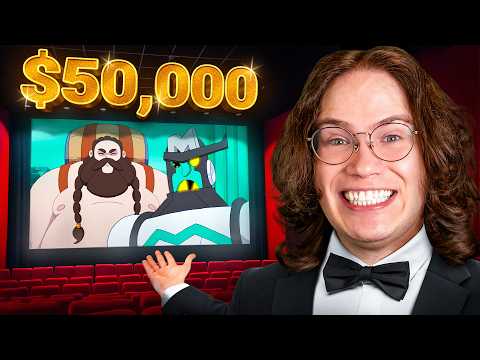
Blitz and Stolas continue to dominate the emotional direction of Helluva Boss Season 3, but Episodes 4 and 5 demonstrate just how differently that relationship can influence the quality of the storytelling. Episode 4 combines a ridiculous courtroom dispute with meaningful romantic reconciliation, while Episode 5 introduces an intriguing connection from Stolas' past that threatens to undo their progress. The reviewer approaches both installments with considerable enthusiasm for the series, praising its animation, humor, and expanding character relationships while questioning whether its central romance has become unnecessarily repetitive. This contrast provides a useful foundation for evaluating the season's creative direction.
Episode 4 receives particularly enthusiastic praise for its entertaining courtroom storyline involving Wally Wackford's competing business and his unexpected relationship with Verosika. The reviewer appreciates how the episode alternates between courtroom comedy and the increasingly emotional confrontation between Blitz and Stolas without disrupting the pacing. Specific examples, including the television show's misleading editing of Stolas' statements and Blitz's continued insults about earlier events, demonstrate why the humor works for him. His attention to Wally's increasing narrative importance also adds substance, recognizing how a previously minor comic character is becoming more involved in the larger story. Although he remains uncertain about Wally and Verosika as a romantic pairing, he welcomes their development and the possibility of further reconciliation between Verosika and Blitz.
The discussion of Episode 5 becomes more interesting when attention shifts toward Stella and Andrealphus. Rather than dismissing Stella as a straightforward antagonist, the reviewer examines how her brother's controlling behavior provides additional context for her personality and troubled history with Stolas. Their disagreements over the palace's possessions and Octavia's future, alongside flashbacks involving the wedding preparations, suggest a more complicated family dynamic than previously explored. The reviewer also considers whether Stella's resentment toward Stolas partly reflects his unwillingness to challenge Andrealphus. This remains an interpretation rather than a confirmed explanation, but it demonstrates thoughtful engagement with the characterization. Praise for the performances and dialogue further strengthens the discussion, particularly regarding the chemistry between Stella and Andrealphus.
Vassago's expanded role provides another highlight, with the reviewer appreciating his established history with Stolas and the romantic possibilities their relationship introduces. The flashbacks explain why Vassago previously defended Stolas while revealing how family expectations and social obligations influenced their earlier decisions. The reviewer effectively connects these revelations to the current storyline, considering how different choices might have changed the characters' lives. He also praises Vassago's energetic personality, distinctive dialogue, and musical sequence with Stolas. Although the song does not rank among his personal favorites, its imagery and instrumental arrangement receive recognition. The consistently impressive animation and varied designs of the Ars Goetia characters reinforce his appreciation for the production's visual presentation.
The review's central criticism concerns the increasingly circular progression of Blitz and Stolas' relationship. The reviewer argues that the series repeatedly allows the couple to resolve their differences before introducing another disagreement that places their future in doubt. His comparison of developments across the season makes this concern understandable, particularly when Episode 4's reconciliation is followed almost immediately by Blitz becoming upset over Stolas' renewed connection with Vassago. Referencing similar frustrations raised during the previous season gives the criticism additional context and suggests that his concerns extend beyond one disappointing installment. However, the argument occasionally moves too confidently from personal frustration to predictions about how general audiences will respond. His preference for more consistent romantic progression is clear, but the possibility that these setbacks serve an intentional longer-term narrative purpose receives comparatively little consideration.
Episode 5's pacing and dependence on future developments provide a second substantial area of criticism. The reviewer finds its flashbacks fascinating but believes several important moments, particularly those surrounding Stella's pregnancy and Octavia's birth, disappear too quickly to deliver their full emotional potential. He also wishes the episode explored more of the Ars Goetia's social structure and Vassago's abilities. These observations are specific and constructive, identifying opportunities for deeper characterization rather than simply complaining about insufficient action. His concern that the installment functions heavily as preparation for upcoming storylines is similarly reasonable, although its ultimate payoff cannot yet be judged. The analysis is strongest when discussing what the current episode accomplishes and slightly weaker when its quality becomes dependent on hypothetical future outcomes.
Smaller complaints about continuity and music round out an otherwise positive assessment. The reviewer questions a joke referencing the original pilot because its noncanonical status had reportedly been established outside the series, arguing that such announcements can undermine otherwise amusing references. This is an interesting observation about how supplementary creator commentary affects the viewing experience, although it remains a relatively minor issue. His disappointment with the season's songs is more straightforward, reflecting a desire for memorable musical numbers rather than any particular flaw in their execution. Throughout the discussion, the conversational delivery, specific scene references, and willingness to praise an episode while criticizing another make the commentary approachable. Nevertheless, repeated expressions of enthusiasm, occasional speculation about fandom reactions, and reliance on personal expectations sometimes prevent the analysis from becoming as incisive as its strongest character observations suggest.
Pros
- The comparison between Episodes 4 and 5 clearly explains why the courtroom comedy and romantic reconciliation feel more satisfying than the subsequent relationship complications.
- Specific examples involving Wally, Verosika, Blitz, and Stolas support the praise for Episode 4's humor, pacing, and character development.
- Thoughtful examination of Stella and Andrealphus reveals potentially important family dynamics and offers a more nuanced interpretation of Stella's characterization.
- The discussion of Vassago connects his romantic history with Stolas to the wider story, explaining the significance of their flashbacks and renewed relationship.
- Detailed observations about animation, voice acting, character designs, and musical presentation provide a broader evaluation beyond the writing.
- Constructive criticism of repetitive relationship conflicts, rushed flashbacks, and unresolved storylines identifies meaningful weaknesses without dismissing the season's improvements.
Cons
- Predictions about general audience frustration and the potential decline of interest in the central romance are not supported by substantial evidence beyond the reviewer's impressions.
- The criticism of repeated romantic setbacks gives limited consideration to whether the narrative deliberately uses those conflicts to explore the characters' unresolved insecurities.
- Several judgments about Episode 5 depend on anticipated future developments, making parts of the assessment necessarily speculative.
- Repeated expressions of enthusiasm and personal hopes for future episodes occasionally dilute the sharper analytical observations.
- The discussion of the pilot's continuity and the absence of memorable songs adds comparatively little to the main evaluation, with both points relying heavily on individual expectations.
This is an engaging and generally balanced examination of two contrasting Helluva Boss installments, strengthened by specific character analysis and a clear understanding of the season's ongoing emotional conflicts. The praise for Episode 4 and the more qualified appreciation of Episode 5 demonstrate a willingness to recognize creative improvements without overlooking frustrating storytelling habits. Some speculative conclusions and repeated personal preferences limit the analytical depth, but the review remains an entertaining and worthwhile discussion for viewers invested in the series' evolving relationships.