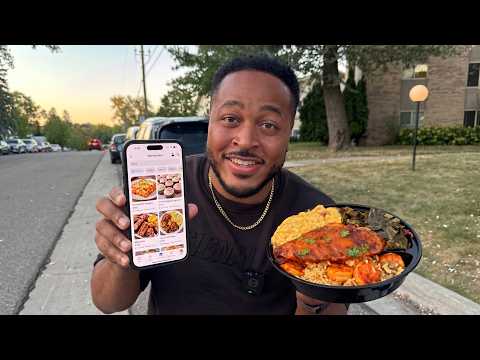
A $75 seafood boil picked up from a stranger’s home turns an initially nervous experiment into an unexpectedly enthusiastic meal. The sisters begin with plenty of jokes about scams, food poisoning and the inherent uncertainty of buying homemade food through Facebook Marketplace, but those concerns quickly give way to excitement once they open a generously seasoned tray of shrimp, crab legs, mussels, corn, potatoes, sausage and eggs. Their genuine surprise gives the tasting energy, especially as the corn and crab become immediate favorites.
The seafood segment is also where the format works best as a food review. They comment on specific qualities rather than simply declaring everything delicious: the seasoning is flavorful without being excessively salty, the corn is juicy, the potatoes absorb the seasoning well, and the sausage is comparatively salty. They question whether the advertised extra-large portion really seems that large, which adds a useful value consideration to an otherwise overwhelmingly positive reaction. Their repeated speculation about the seller having a sailor husband is absurd, but it becomes a recurring joke that gives the segment some personality.
A long detour before that first meal is less successful. The extended argument about paying attention during a movie, Greek mythology and whether someone can research a story while watching it has almost nothing to do with the marketplace-food premise. Some of the sibling bickering is naturally funny, but it lasts long enough to delay the concept viewers came to see. Once the food pickups begin, the episode becomes noticeably more focused.
The cinnamon rolls provide the strongest discovery of the day. Four varieties—original, chocolate-chip banana bread, blueberry lemon and Cookie Monster—produce enthusiastic but reasonably descriptive reactions. The original is praised for being soft and fluffy, the banana version apparently captures its namesake flavor without becoming overwhelmingly sweet, and the blueberry-lemon combination stands out for its fresher contrast. Their excitement feels spontaneous, and learning that the seller needs advance notice reinforces an important part of the premise: these are home cooks preparing orders rather than restaurants serving food on demand.
The final Chinese-food pickup gives the challenge some necessary balance because the reactions are considerably less positive. The dumpling wrappers are judged too thick, while the lo mein is described as bland and carrying an unpleasant soapy or utensil-like taste. The sisters are visibly reluctant to criticize the seller because she was friendly, but they ultimately separate their impression of the person from their impression of the food. That distinction makes the tasting more credible after two nearly perfect experiences.
That credibility is weakened somewhat when they say they intend to leave the final seller a very good Facebook review despite disliking the meal. Protecting a small seller from unwanted exposure is understandable, but publicly rating food more positively than their actual experience would make marketplace feedback less useful to future customers. The episode also repeatedly jokes about the safety risks of homemade food without offering any meaningful discussion of how the sellers prepare, store or handle it, so viewers should treat the tastings as personal experiences rather than evidence that marketplace food is generally safe.
As entertainment, though, the experiment succeeds because each stop produces a different outcome: initial suspicion becomes a seafood success, the cinnamon rolls become the surprise highlight, and the last meal provides a genuine disappointment. The sisters’ chaotic conversation can overwhelm the food coverage, and repetition occasionally stretches reactions longer than necessary, but their enthusiasm gives the successful discoveries a convincing sense of spontaneity. The result feels less like a systematic test of Facebook Marketplace food and more like a lively road-trip tasting built around the uncertainty of buying dinner from strangers.
Pros
- The seafood boil receives specific commentary on seasoning, individual ingredients and portion value rather than relying entirely on generic praise.
- Four distinct cinnamon-roll flavors make the second stop varied enough to reveal meaningful preferences.
- The disappointing final meal prevents the challenge from feeling predetermined or uniformly promotional.
- The sellers’ preparation schedules, deposits and pickup arrangements provide useful glimpses into how these homemade orders operate.
- Natural sibling banter and genuine surprise give the successful tastings plenty of personality.
Cons
- The lengthy movie and Greek-mythology argument delays the central food concept considerably.
- Food-safety concerns are repeatedly joked about but never examined in a useful or substantive way.
- Reactions sometimes become repetitive, particularly when several people repeatedly describe the same item as exceptionally good.
- Planning to leave a strongly positive marketplace review for food they openly disliked undermines the value of customer feedback.
- The small sample of three sellers cannot support broader conclusions about the quality or safety of homemade marketplace food.
Two excellent finds and one disappointing meal give the experiment enough variety to make its unusual premise worthwhile, with the cinnamon rolls and seafood providing especially memorable reactions. Tighter editing and a more thoughtful approach to safety and seller feedback would make the concept substantially stronger, but the unpredictable pickups and candid tasting responses still produce an entertaining outing.