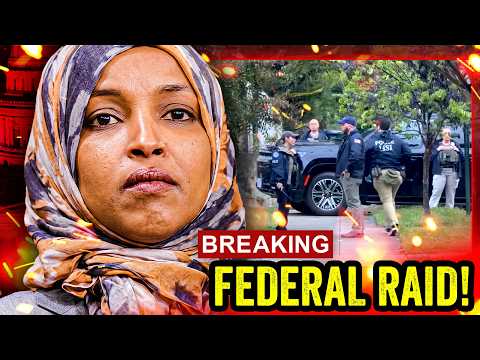
Questions surrounding Representative Ilhan Omar's financial disclosures, immigration history, and alleged connections to fraud investigations in Minnesota dominate a confrontational Fox News interview with House Oversight Committee Chairman James Comer. Host Jesse Watters introduces a series of potentially serious allegations before asking Comer whether the reported investigative developments strengthen the case against the congresswoman. The conversation moves quickly from reported federal subpoenas to questions about citizenship, family relationships, and financial irregularities, but the distinction between allegations and established evidence remains central to understanding the discussion.
Watters opens by citing a New York Times report about subpoenas involving Omar's sister and another family member, alongside claims about federal agents searching a Washington, D.C., residence. He also highlights an email concerning efforts to correct Omar's reported birth year in official biographical records. The presentation treats these developments as potentially interconnected, suggesting that discrepancies in personal information could have implications for Omar's immigration history. However, the discussion does not establish that a biographical correction constitutes immigration fraud, nor does it provide the underlying documentation necessary to evaluate the competing explanations.
Comer's most substantial contribution concerns his committee's previous examination of what he describes as a $30 million discrepancy in Omar's financial disclosure information. He says the committee forwarded material to the Department of Justice and argues that the reported investigative activity could produce additional answers. These details provide a recognizable oversight process behind the political accusations, giving viewers some understanding of how congressional inquiries can intersect with federal investigations. Nevertheless, Comer does not present the financial records, explain the accounting discrepancy in detail, or demonstrate that the alleged reporting errors establish criminal wrongdoing.
The conversation becomes more contentious when Comer connects Omar and her family to fraud allegations involving Minnesota's Somali community. He references whistleblower complaints, state legislative investigations, and previous congressional hearings involving Tim Walz and Keith Ellison. Comer presents these matters as evidence of a broader pattern of misconduct and political protection, but the interview offers little opportunity to examine the specific allegations individually. His assertions about Omar's involvement, her sister's potential financial benefit, and Democratic officials' motivations remain claims made by the interviewee rather than conclusions independently demonstrated during the segment.
Questions about Omar's birth year and naturalization introduce another significant weakness in the presentation. Watters and Comer discuss the possibility that an incorrect age could affect the legitimacy of her refugee status and citizenship, eventually raising the prospect of denaturalization. Although immigration fraud can carry serious legal consequences, the interview moves from a disputed biographical detail to potential removal from Congress without establishing the necessary factual or legal foundation. The suggestion that Omar's eligibility for office might be jeopardized is therefore presented with considerably more confidence than the information supplied supports.
As a television interview, the segment maintains a brisk pace and a clearly defined subject, with Watters introducing developments and Comer explaining his committee's perspective. Their exchanges are direct, and the discussion identifies several concrete questions that investigators might seek to resolve. Yet the presentation is openly adversarial, with Watters mocking Omar's fundraising response and making dismissive remarks about her potential legal expenses. Neither participant seriously explores alternative explanations, challenges the underlying assumptions, or distinguishes consistently between reported investigative steps and proven misconduct. The result is a focused presentation of one political perspective rather than a balanced examination of the available evidence.
Pros
- Identifies specific allegations involving financial disclosures, biographical records, family relationships, and reported federal investigative activity.
- Provides Comer's firsthand account of the House Oversight Committee's previous inquiries and its reported referral of information to the Department of Justice.
- Explains how congressional oversight, whistleblower complaints, and federal investigations may intersect in politically sensitive cases.
- Raises legitimate questions about the accuracy of financial disclosures and the importance of establishing facts before reaching legal conclusions.
- Maintains a concise, fast-moving interview structure that makes the principal accusations and Comer's position easy to follow.
Cons
- Frequently presents serious, disputed allegations with language suggesting guilt before establishing the supporting evidence.
- Provides no meaningful response from Omar or her representatives beyond a dismissive reference to her fundraising appeal.
- Fails to substantiate the suggested connections between Omar, her relatives, and the broader Minnesota fraud investigations.
- Treats a reported birth-year discrepancy as potentially decisive evidence of immigration fraud without adequately examining alternative explanations or legal requirements.
- Offers insufficient documentation or financial analysis to explain the alleged $30 million disclosure discrepancy.
- Watters' mocking commentary and Comer's accusations of political protection undermine the segment's ability to function as an impartial examination.
- The interview lacks challenging follow-up questions that might separate investigative developments from speculation about future criminal or immigration consequences.
James Comer's appearance provides a concentrated account of the allegations and investigative questions surrounding Ilhan Omar, particularly those involving financial disclosures and reported federal scrutiny. While the discussion identifies matters that could warrant further examination, its reliance on untested accusations, limited documentation, and one-sided political commentary prevents viewers from confidently separating established developments from speculation. The segment is informative about Comer's position and the questions he wants investigated, but considerably less conclusive about whether the allegations themselves are supported.