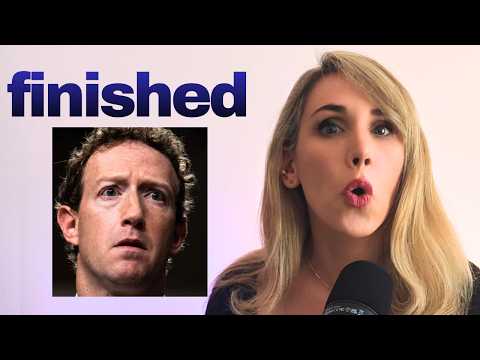
Jensen Huang’s reported resignation gives Philip DeFranco a concrete question to pursue. How does Nvidia replace a founder whose role, by the show’s account, extended deep into day-to-day operations? The account of more than 60 executives reporting directly to Huang makes that question tangible, and the reported appointment of the company’s finance chief as interim CEO gives viewers an immediate sense of what comes next. The history of Nvidia’s rise from gaming graphics to data-center hardware helps explain why the transition matters beyond the boardroom.
DeFranco gives viewers several points of reference in the allegations surrounding Huang, including what Huang acknowledged, what China denied, and what remained unanswered at recording time. That care slips when the host invokes the timing of the resignation as a reason some people see it as an admission. The reported scrutiny of Megaspeed and the transfer of its case from Commerce to the Justice Department raise specific questions about how officials handled the investigation. Those questions deserve more room than the segment gives them amid its commentary on personal conduct and political motives.
The market coverage adds scale but leaves the cause of the losses unclear. DeFranco cites a reported opening drop of as much as 14 percent, a partial recovery, and a much larger decline from an October high. The figures cover different periods, and the segment gives viewers little basis for judging how much of the longer slide could be tied to the reported departure. A crude Helen of Troy joke makes that causal leap sound more settled than the numbers presented.
The Arlington segment has a clearer sequence to work with. DeFranco plays the clip of a guard correcting Pete Hegseth’s group at the Tomb of the Unknown Soldier, follows it with the Pentagon’s defense of the guard, and covers the subsequent commendation. The claim that the award was damage control depends on DeFranco’s reading of the timing. The related impeachment discussion is more careful, giving the vote tally and several explanations for Democratic absences before acknowledging that Republican absences also complicate the counterfactual.
The account of Scott Colom’s reported Mississippi upset has some of the show’s best campaign material. A clip from his victory speech, Cindy Hyde-Smith’s concession, and the ad turning her advice about beef prices into a case for replacing her each show a different side of the race. The ad in particular makes Colom’s affordability message easy to understand. DeFranco is persuasive on why the campaign deserves attention, though his enthusiasm gives him more confidence in assigning credit to local organizers than the coverage can substantiate.
The segment on the American Israel Public Affairs Committee is the most measured part of the show. An interview with a reporter from The Intercept helps explain how direct contributions, independent expenditures, and spending routed through other committees can tell different stories about the same election. DeFranco includes the group’s own tally of supported winners, allowing viewers to weigh its broad reach alongside the losses in some of its most expensive races.
The closing stretch moves quickly from estimated Grand Theft Auto VI preorders to a fatal building collapse in Brooklyn and a shooting in Washington, D.C. The game segment usefully compares the reported preorder figure with its predecessor’s launch sales, then gets ahead of that distinction when it treats an estimate as a record already broken. The breaking-news briefs handle uncertainty more carefully, keeping the cause of the collapse and the shooting motive open. The abrupt changes in register leave little room for either story to settle.
Pros
- The explanation of Nvidia’s reporting structure gives the leadership transition practical stakes.
- The Arlington clip and the Pentagon’s response give viewers a direct basis for assessing the dispute over decorum.
- The Mississippi campaign material shows how Colom turned an affordability issue into a memorable argument for changing senators.
- The campaign finance interview clarifies how a group can lose expensive races while retaining substantial political reach.
- The closing reports distinguish what authorities had said from questions that remained open.
Cons
- The resignation’s timing is given more weight than it can bear in the discussion of the unconfirmed allegations.
- The market figures span different time periods and leave the resignation’s effect on Nvidia’s valuation unclear.
- The emphasis on personal scandal and the crude joke about retirement savings crowd out scrutiny of the export investigation.
- The game segment treats an unconfirmed preorder estimate too confidently in declaring a record.
- The rapid pivot from entertainment sales to two fatal incidents gives the closing stories little breathing room.
DeFranco is at his best when he lets a clip, a campaign document, or an interview carry part of the argument. The lead story has enough substance to justify its prominence, but the certainty and comic emphasis of its delivery make it harder to tell which conclusions the reporting has earned.