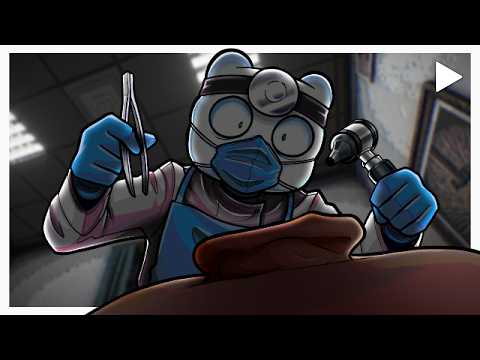
A mysterious box hidden inside the walls of a newly purchased house becomes the starting point for one of the most unsettling horror experiences of the year. Developed by Darkstone Digital, the studio behind The Mortuary Assistant, Playable Archive combines domestic unease, disturbing supernatural imagery, and an increasingly sinister investigation. What begins as an ordinary couple exploring their cluttered new home quickly transforms into something far darker, with strange noises, concealed compartments, and an abrupt shift to a detective examining two bodies. The creator's familiarity with the developer's previous work establishes high expectations, but his particular discomfort with demonic possession and paranormal activity makes the experience especially intense.
The opening establishes its atmosphere through ordinary surroundings made threatening by unexplained details. Locked doors, unusually thick walls, strange sounds, and an oppressive lack of natural light gradually suggest that something is wrong with the property. The discovery of a concealed box provides the first major mystery, although the sudden transition from the couple's perspective to Detective Lamar Robbins investigating their deaths initially creates some confusion. Once the investigation begins, however, the fragmented storytelling becomes an effective source of suspense. The detective discovers that the male victim has been dead considerably longer than the female, immediately raising questions about what happened between their deaths.
Much of the horror comes from the game's ability to make ordinary investigation feel dangerous. Examining bodies, searching drawers, recovering videotapes, and following clues through the house should be routine detective work, yet nearly every action carries the possibility of something unnatural occurring. Subtle environmental changes prove particularly effective, including mysterious writing appearing on a wall, lights flickering, and a deceased woman's body seemingly changing position when the player looks away. The creator repeatedly questions whether objects have moved or whether he is misremembering their previous locations. His uncertainty becomes an important part of the entertainment, demonstrating how the game builds tension through suggestion rather than depending entirely on obvious jump scares.
The investigation gains considerable emotional weight through a collection of desperate prayers written by a grieving father. His accounts of caring for a seriously ill son, struggling with medical treatments, and pleading for relief reveal a tragedy that extends far beyond the immediate crime scene. The progression from hopeful requests for recovery to anger and despair provides a disturbing possible motivation for the occult activity discovered throughout the house. The creator's reaction is notably different from his responses to conventional horror sequences, as he acknowledges that the writing unsettles him more deeply than a sudden scare. This material gives the supernatural mystery a human dimension, although the limited experience leaves several connections between the characters and events unresolved.
Playable Archive also introduces an intriguing occult puzzle system involving symbols, ritual markings, hidden documents, and supernatural keys. The detective must investigate instructions left behind by someone experimenting with communication and control of an entity, eventually learning that each interaction strengthens the creature's connection to him. This creates an interesting conflict between the need to continue investigating and the danger of performing additional rituals. Unfortunately, the mechanics are not always communicated clearly. The creator occasionally struggles to determine which object belongs where, how particular symbols should be traced, and what action will advance the investigation. Some puzzles create meaningful tension, while others briefly interrupt the atmosphere through uncertainty about the required controls or objectives.
The presentation benefits enormously from convincing sound design, uncomfortable silences, and strong voice performances. The creator frequently reacts to noises that seem to originate somewhere beyond his immediate view, and the game's willingness to leave rooms quiet makes every unexpected sound more threatening. The female character's performance receives particular praise during the closing sequence, when the supernatural presence appears to communicate through her body. The disturbing vocal delivery and physical behavior give the encounter an intensity that a conventional monster chase might not achieve. Equally important is the creator's energetic commentary, which alternates between genuine fear, exaggerated threats to abandon the investigation, and ridiculous attempts to negotiate with the supposed demon. His humor occasionally interrupts the dread, but it also makes his moments of genuine discomfort more convincing.
The ending delivers a frightening supernatural confrontation before revealing the unusual circumstances behind the game's release. The creator shares a statement attributed to the developer explaining that a larger project had been canceled following burnout, despite receiving a positive reception at PAX. According to that statement, DreadXP later suggested releasing the existing material, leading to a polished, free version called Playable Archive. This context makes the experience particularly bittersweet, as the accessible release preserves a promising piece of horror development while also demonstrating how much of its intended design remains unfinished. The creator's enthusiastic response is understandable, especially given the atmosphere and presentation on display, although his suggestion that the complete game might have been among the year's scariest releases remains speculation. His reference to overwhelmingly positive Steam reviews reinforces his enthusiasm without establishing what the abandoned full version would ultimately have achieved.
Pros
- The mysterious hidden box and abrupt transition into a murder investigation create an intriguing opening that immediately raises questions.
- Subtle environmental changes, unsettling body movements, and unexplained noises generate sustained psychological tension without excessive reliance on jump scares.
- The grieving father's prayers introduce emotional depth and provide a disturbing human foundation for the supernatural mystery.
- The occult symbols, ritual procedures, and supernatural keys give the investigation distinctive mechanics that complement its frightening subject matter.
- The atmospheric sound design and convincing voice acting make the house feel consistently threatening, particularly during the final supernatural encounter.
- The creator's genuine fear, humorous commentary, and uncertainty about changing surroundings make the playthrough entertaining and engaging.
- The discussion of the project's cancellation and free release adds meaningful context while highlighting the promise of the surviving material.
Cons
- The abrupt transition between the original homeowners and the detective initially makes the chronology and character relationships difficult to follow.
- Several puzzle interactions and symbol-tracing sequences provide insufficient guidance, occasionally leaving the creator unsure how to proceed.
- The limited release leaves important narrative questions unanswered and prevents the supernatural investigation from reaching a fully developed conclusion.
- Frequent jokes, interruptions, and exaggerated reactions sometimes disrupt the atmosphere during otherwise effective horror sequences.
- The creator occasionally skips or dismisses written occult material, limiting his examination of the game's underlying mechanics and mythology.
- The discussion of the canceled full version emphasizes its potential without providing enough information to assess what the completed experience would have contained.
Playable Archive demonstrates how effectively psychological horror can combine emotional storytelling, environmental uncertainty, and disturbing supernatural encounters into a compact experience. The creator's enthusiastic and frequently terrified reactions make the playthrough especially entertaining, even when confusing mechanics and constant commentary interrupt the tension. Although its unfinished origins leave considerable narrative and mechanical potential unexplored, the quality of the surviving material makes this a memorable horror showcase and a compelling reminder of what the canceled project might have become.