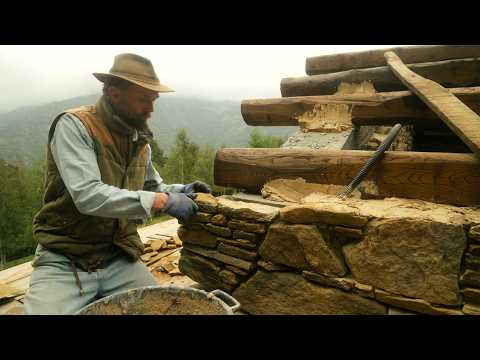
The video offers an intimate look at a massive restoration project by focusing less on dramatic reveals and more on the decisions, challenges, and behind-the-scenes work required to bring an old property back to life. Its strongest quality is the sense of access it provides, allowing viewers to see the planning behind unfinished rooms, structural improvements, and design choices that are usually hidden from the public.
A major part of the presentation is the explanation of how individual restoration choices are being made. The discussion of the library’s future design, including the decision to use a bold blue color rather than keeping everything neutral, shows the creative tension between preserving character and adding a personal identity. While some viewers may disagree with certain stylistic choices, the video effectively communicates the thought process behind them rather than presenting them as random decoration.
The renovation details are where the episode becomes especially engaging. Explanations of plastering techniques, heating systems, insulation, and pipe placement demonstrate how much invisible work goes into making a historic building functional again. The video does a good job showing that restoration is not only about beautiful finished rooms, but also about the technical infrastructure that allows those spaces to survive for years.
The discussion of working with different craftspeople also adds depth to the project. Rather than portraying the restoration as a simple construction timeline, the video highlights the collaboration, adjustments, and problem-solving required when dealing with an older building. The willingness to change plans based on what is discovered gives the project a realistic quality, even if it occasionally reveals a lack of detailed planning that creates additional complications.
The upcoming open day provides another interesting perspective, as the video explains the effort required to make the site accessible while still continuing active restoration work. The focus on clearing spaces, improving safety, and allowing visitors to experience the progress helps show how the project is becoming more than a private renovation. It also creates a stronger connection between the restoration and the community surrounding it.
The episode is less successful when it becomes heavily centered on updates that may only interest viewers already invested in the long-term journey. Some sections involving scheduling, material deliveries, and individual contractor updates can feel repetitive, especially for newcomers who do not already have a strong attachment to the restoration. However, for regular followers, these details help reinforce the scale and complexity of the work.
The video also benefits from its honesty about setbacks, including issues with installed windows and the uncertainty around resolving them. Instead of ignoring problems, the presentation shows the frustration involved in managing a large renovation and the importance of getting major elements right before moving forward. This transparency makes the project feel more authentic, even when progress appears slower than expected.
Pros
- Provides a detailed look at the hidden technical work behind a historic restoration project.
- Balances architectural decisions with practical construction challenges.
- Shows genuine problem-solving and collaboration between different craftspeople.
- Creates a strong sense of progress and connection for viewers following the renovation.
Cons
- Some update segments may feel slow or overly specific for viewers unfamiliar with the project.
- The informal structure occasionally makes the episode feel less focused than a more tightly edited documentary.
This is a thoughtful behind-the-scenes exploration of a restoration project driven by creativity, patience, and attention to detail. While its slower pace and ongoing-update format may limit its appeal to casual viewers, it succeeds as an authentic look at the realities of transforming a neglected historic space.