The collapse of Megan Plays' marriage becomes even more disturbing when her former best friend, fellow Roblox creator Leah Ashe, enters the picture. What begins as an account of alleged infidelity involving Megan's husband, Zach Letter, develops into a complicated public dispute involving broken friendships, accusations of identity copying, and conflicting explanations of how the relationship unfolded. The commentator approaches the situation with disbelief, dark humor, and escalating fascination, turning a relatively unfamiliar corner of the Roblox community into a surprisingly gripping examination of personal betrayal.
The story's initial revelations provide a strong foundation for the commentary. Footage presented as showing Zach and Leah kissing at Disney, alongside earlier collaborations where Leah affectionately described Megan as her best friend, establishes the emotional contradiction driving the controversy. Megan's subsequent discussion of divorce and adjusting to life as a single mother adds considerable weight to the situation. The commentator deserves credit for recognizing her emotional resilience rather than treating every moment as an opportunity for ridicule. His appreciation of her optimism provides a welcome contrast to the otherwise relentless jokes and shocked reactions.
Much of the presentation revolves around older footage that viewers have revisited in search of warning signs. Clips showing Zach and Leah sitting together, leaving Megan behind during a bike ride, and interacting during earlier collaborations become suspicious when viewed through the lens of the later revelations. The commentator occasionally acknowledges that ordinary behavior can acquire an exaggerated significance in hindsight, particularly when discussing seemingly innocent seating arrangements. However, he frequently abandons that caution in favor of increasingly confident interpretations of gestures, expressions, and conversations. These reactions are entertaining, but the footage alone cannot establish what anyone secretly knew or intended.
The identity-copying allegations introduce the story's strangest and most psychologically unsettling dimension. Megan describes Leah's estate sale, the disappearance of sentimental possessions, furniture choices resembling her own preferences, and a distinctive lamp Leah retained despite knowing Megan had long admired it. Leah's subsequent return to social media with lighter, reddish-looking hair adds another provocative coincidence, particularly when the lamp appears in the background of her apology. The commentator's escalating astonishment captures why these details became central to the online discussion. Nevertheless, similarities in clothing, furniture, and appearance do not independently establish an intentional effort to replace another person's identity, and some of the more elaborate psychological theories remain speculative.
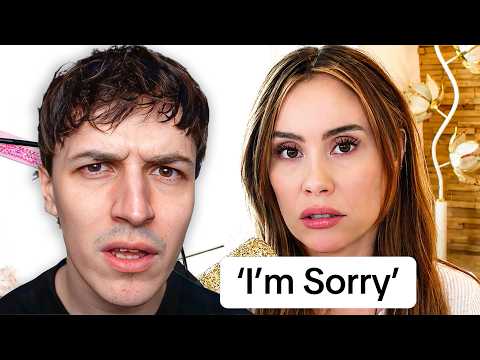
Leah's public apology provides an important opportunity to hear directly from someone at the center of the controversy. She acknowledges betraying Megan, describes her decisions as selfish and hurtful, disputes aspects of the estate-sale narrative, and states that remaining in her relationship with Zach is her own choice. The commentator questions whether an apology carries meaningful weight while the relationship continues, a legitimate ethical criticism that gives the discussion substance beyond gossip. However, his reaction gives comparatively little consideration to Leah's explanations, particularly her assertion that she did not dispose of all her possessions. His interpretation of the apology is clear, but a more measured evaluation would have distinguished between acknowledging wrongdoing, disputing specific allegations, and deciding whether to end an existing relationship.
The final stretch becomes particularly intense when Megan offers additional allegations about the relationship's origins, including a proposed three-person arrangement, conflicting accounts of private conversations, and an encounter at the beach where Zach had previously proposed to her. A recorded conversation presented as involving Megan and Zach adds immediacy to her account, although the broader circumstances are not independently established. Megan's concerns about co-parenting, her daughter's experiences, and the lasting emotional consequences of public betrayal make these disclosures especially painful. The commentator responds with genuine sympathy, and the discussion becomes most meaningful when it focuses on the practical consequences of infidelity rather than the spectacle of online accusations.
As entertainment, the commentary benefits enormously from its conversational energy and the gradual introduction of increasingly unexpected developments. The commentator's unfamiliarity with the Roblox creator community becomes part of the appeal, allowing viewers outside that audience to follow the controversy without needing extensive background knowledge. His spontaneous interruptions, sarcastic observations, and repeated disbelief create momentum, although the frequent profanity, extended reactions, and occasional repetition can become exhausting. More importantly, the tendency to frame nearly every new detail as another shocking revelation sometimes blurs the distinction between documented behavior, personal testimony, and internet speculation. The result is highly engaging commentary that would be stronger with greater evidentiary discipline.
Pros
- Makes an unfamiliar Roblox influencer controversy accessible through clear background information and a developing chronology.
- Uses relevant clips from earlier collaborations, public statements, and personal accounts to illustrate the breakdown of relationships and trust.
- Balances sarcastic humor with genuine sympathy for Megan's emotional struggles and concerns about raising her daughter.
- Creates compelling narrative momentum through the estate sale, identity-copying allegations, public apology, and subsequent revelations.
- Recognizes the difference between an apology that acknowledges wrongdoing and meaningful accountability for continuing decisions.
Cons
- Frequently treats ambiguous interactions, physical similarities, and coincidences as stronger evidence of hidden intentions than they actually provide.
- Gives relatively limited consideration to Leah's explanations, making the analysis less balanced than its extensive use of clips initially suggests.
- Repeated expressions of disbelief, profanity, and exaggerated jokes occasionally overwhelm the substantive discussion.
- Speculation about psychological motives and identity replacement risks sensationalizing an already painful personal dispute.
- The extended presentation could benefit from tighter editing and clearer distinctions between verified events, competing allegations, and interpretation.
This creator controversy makes for absorbing commentary because its most extraordinary developments are accompanied by recognizable human consequences involving friendship, marriage, and parenthood. The commentator's humor, emotional engagement, and effective use of public statements make the story accessible and frequently riveting, even when his reactions become excessive. Greater skepticism toward speculative allegations and more careful treatment of competing explanations would improve its credibility, but the presentation remains a compelling example of how deeply personal conflicts can become public entertainment.