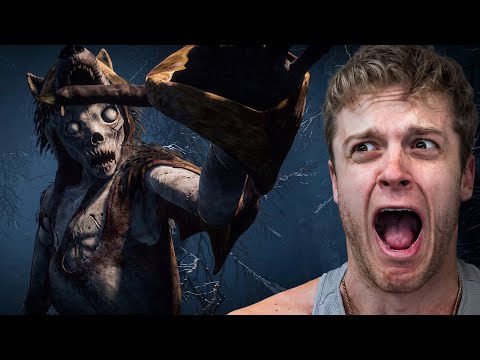
A deteriorating home, a murdered wife, and a mysterious outbreak of disfigured creatures form the foundation of Rotting Grief, a psychological horror game that transforms ordinary household routines into evidence of something deeply disturbing. Rather than relying entirely on conventional monsters and sudden scares, the game explores domestic abuse, alcoholism, and a man's refusal to accept responsibility for his actions. The creator guides viewers through the experience before examining its symbolism, disturbing revelations, and alternative endings. The result is an unsettling combination of gameplay storytelling and psychological interpretation that finds considerable meaning beneath the game's relatively simple presentation.
The story follows Liam Mendel, whose wife, Liviana, has apparently left him following a troubled relationship. However, the house immediately suggests a more horrifying reality. Trash and empty bottles litter the rooms, Liviana's body appears in the living room, and Liam continues performing mundane activities as though nothing has happened. Heating pizza, feeding the family dog, cleaning the house, and watching television become increasingly uncomfortable tasks as the evidence of violence accumulates. The creator allows these ordinary interactions to establish the atmosphere, demonstrating how the game's horror emerges from Liam's disturbing indifference rather than elaborate supernatural encounters.
The escalating story becomes particularly effective through its use of television broadcasts warning about creatures called the Rotted. Initially presented as a spreading infection threatening Montana and neighboring states, the supposed outbreak gradually becomes entangled with Liam's deteriorating perception of reality. Meanwhile, his actions grow increasingly grotesque, including destroying Liviana's possessions, mutilating her remains, and attaching her body parts to her favorite tree. The discovery of the family dog's mutilated body provides another disturbing example of Liam's refusal to confront reality, especially because he continues filling its food bowl afterward. These moments establish a consistent pattern of denial, although the graphic subject matter and repeated household tasks may prove uncomfortable or monotonous for some viewers.
One of the presentation's strongest decisions is exploring both possible outcomes involving Liviana's mother, Bethany. Shooting her leads toward an ending in which Liam remains consumed by his imagined pursuers, while allowing her to leave ultimately exposes the supposed outbreak as a fabrication of his troubled perception. In the latter outcome, the creatures are replaced by police officers arriving to arrest him. This contrast gives the story a more meaningful resolution than a straightforward monster attack and supports the creator's interpretation that the Rotted represent Liam's guilt. Showing the consequences of both choices also prevents viewers from missing an important part of the game's narrative structure.
The subsequent analysis adds considerable depth by examining smaller details that might otherwise seem incidental. A letter from David, describing a vacation to the Everglades and the couple's friendships, becomes evidence of the ordinary life Liam has destroyed. His decision to burn that letter is interpreted as another rejection of his past, while the grotesque decoration of Liviana's favorite tree is presented as an extension of his controlling behavior. These observations are persuasive because they connect specific objects and actions to the game's larger themes. However, some conclusions depend more heavily on interpretation, particularly the suggestion that Liviana still loves Liam and does not want him punished. Her expression and the couple's shared history allow for that reading, but they do not establish her feelings with certainty.
The creator's discussion of abusive relationships gives the experience a more serious dimension beyond its disturbing imagery. Liam's drinking, emotional hostility, resentment over his professional failures, and determination to blame Liviana are presented as elements of a destructive relationship in which one partner refuses accountability. The suggestion that victims can retain affection for abusive partners, making separation emotionally complicated, adds nuance to Liviana's situation. Nevertheless, the commentary sometimes moves from analyzing Liam's conduct into sweeping moral declarations about whether certain people deserve to grieve. While understandable as an emotional reaction to his cruelty, this framing occasionally oversimplifies the difference between experiencing grief, accepting responsibility, and deserving sympathy.
The presentation succeeds most when the gameplay and interpretation work together to reveal how Liam's imagined reality protects him from acknowledging his crimes. The changing television broadcasts, countdowns, repeated chores, and final revelation provide a coherent structure for examining denial and psychological collapse. The creator's enthusiasm for the game is also evident in the closing appreciation of its young developer, identified as a 16-year-old creator named Spookily, whose work was discovered on itch.io. Some analytical points become repetitive, particularly the repeated emphasis on Liam's selfishness and refusal to accept responsibility, while the final moral judgment leaves relatively little room for alternative interpretations. Even so, the detailed examination of both endings and the attention given to environmental storytelling make this a memorable exploration of a small horror game's ambitious subject matter.
Pros
- The game's transformation of everyday domestic routines into increasingly disturbing evidence of violence creates an unsettling atmosphere without depending entirely on conventional scares.
- The Rotted outbreak provides an effective psychological mystery, with changing television broadcasts and environmental details supporting the eventual revelation about Liam's distorted reality.
- Exploring both endings demonstrates how a single decision involving Bethany changes Liam's fate while reinforcing the story's themes of guilt, denial, and accountability.
- Thoughtful attention to environmental details, including David's letter, the mutilated dog, and Liviana's favorite tree, reveals meaningful connections between the gameplay and the underlying narrative.
- The discussion of domestic abuse and emotional attachment adds depth to the horror by considering why leaving a destructive relationship can be complicated.
- The creator's appreciation for the young developer highlights the ambitious storytelling achieved through a relatively straightforward independent horror experience.
Cons
- Some interpretations, particularly Liviana's continuing affection for Liam and her supposed wishes concerning his punishment, extend beyond what the game's events conclusively establish.
- Repeated statements about Liam's selfishness, alcoholism, and refusal to accept responsibility occasionally make the analysis feel redundant.
- The uncompromising moral framing sometimes leaves little room to examine the complexities of grief and guilt beyond condemning Liam's behavior.
- The gameplay's repetitive household chores and graphic depictions of mutilation may limit its appeal for viewers seeking more varied horror mechanics or less disturbing subject matter.
Rotting Grief delivers a disturbing psychological horror experience built around the consequences of abuse, unchecked resentment, and a desperate rejection of reality. The creator's detailed examination of its environmental storytelling and alternative endings gives the experience substantial interpretive depth, even when some conclusions become speculative or overly emphatic. Despite occasional repetition and an uncompromising moral perspective, the combination of unsettling gameplay and thoughtful thematic analysis makes this a compelling examination of a horror story grounded in recognizable human cruelty.