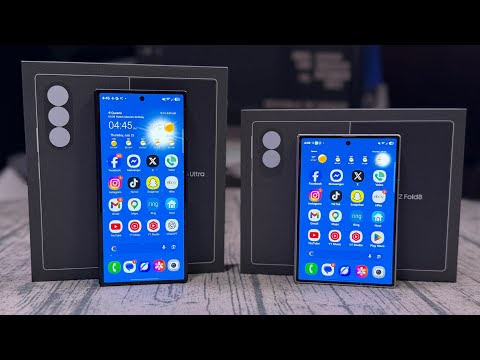
Rather than simply showcasing new hardware, this video places Samsung's latest foldable lineup in the context of the company's long development history. By physically comparing nearly every generation of Galaxy Fold devices, the presentation illustrates how hinge design, weight, thickness, front display usability, and overall ergonomics have evolved over time. That historical perspective gives viewers a better understanding of why the newest models feel different instead of treating each annual release as an isolated upgrade.
The strongest portion of the review centers on hands-on impressions rather than specifications alone. The presenter repeatedly evaluates how each device feels while typing, holding, watching videos, and carrying it in everyday use. Instead of focusing exclusively on benchmark-style comparisons, considerable attention is given to balance, weight distribution, keyboard comfort, and how different aspect ratios affect practical use. These observations make the discussion feel grounded in actual interaction with the hardware rather than a simple reading of specification sheets.
A recurring theme is Samsung's engineering refinement across multiple generations. The video argues that improvements in hinge quality, crease visibility, front-screen usability, and overall thinness represent the cumulative benefit of years of iteration. Rather than claiming the original devices were poor products, it frames them as ambitious first steps whose limitations gradually disappeared through continuous refinement. That historical framing helps explain why newer foldables appear substantially more polished.
The introduction of the new passport-style Fold 8 form factor receives the greatest attention. Much of the video's enthusiasm comes from the presenter's immediate reaction to its shorter, wider proportions, which are repeatedly compared to older BlackBerry devices. The reviewer openly acknowledges that these impressions are based on first exposure rather than extended testing, making it clear that the conclusions are preliminary. Even so, the discussion effectively explains why the altered proportions may improve one-handed comfort, typing ergonomics, and overall confidence while holding the device.
The comparison between the Fold 8, Fold 8 Ultra, and Flip 8 also goes beyond simply listing differences. Battery capacity, charging speeds, cameras, storage options, weight, display sizes, and pricing are all discussed alongside questions about which tradeoffs different buyers might actually value. Instead of declaring one model objectively superior, the presenter repeatedly considers how consumers may prioritize zoom cameras, portability, price, or novel design depending on their own preferences.
At the same time, many of the strongest conclusions remain subjective first impressions. The video frequently expresses excitement about comfort, typing feel, and ergonomics after only a brief period of handling the devices. While the presenter openly states that this is an initial reaction rather than a long-term review, viewers should recognize that topics such as durability, battery life, sustained performance, camera quality, and software experience cannot be fully evaluated during an early hands-on demonstration.
The discussion occasionally drifts into promotional material. A sponsored segment for voice dictation software and an extended showcase of the presenter's phone cases interrupt the otherwise focused examination of Samsung's hardware. Although clearly separated from the foldable discussion, these sections slow the pacing and temporarily shift attention away from the devices themselves.
One area where the presentation remains appropriately cautious is speculation surrounding future products. The video briefly compares Samsung's new form factor with previously discussed Apple concepts but stops short of presenting those comparisons as confirmed facts. Likewise, pricing, specifications, and purchasing recommendations are framed as reactions to the devices shown rather than universal advice.
Pros
- Provides valuable historical context by comparing multiple generations of Samsung foldables side by side.
- Focuses heavily on real-world ergonomics, typing comfort, balance, and handling rather than specifications alone.
- Clearly distinguishes initial hands-on impressions from long-term ownership experience.
- Explores meaningful tradeoffs between the Fold 8, Fold 8 Ultra, and Flip 8 instead of simply ranking them.
- Explains how years of engineering refinement have affected hinges, displays, thickness, and usability.
Cons
- Many conclusions are necessarily based on brief first impressions rather than extended real-world testing.
- Camera quality, battery life, durability, and software performance receive relatively limited evaluation.
- Sponsored and self-promotional segments interrupt the flow of the hardware discussion.
- Enthusiasm for the new form factor occasionally outweighs critical examination of its potential drawbacks.
This is an engaging first-look review that succeeds because it places Samsung's newest foldables within the broader evolution of the category instead of treating them as isolated products. The emphasis on ergonomics, hardware refinement, and everyday usability provides viewers with practical insight into how the devices may feel in real use, while repeated reminders that these are early impressions help keep expectations grounded. Although long-term performance and durability remain unanswered questions, the presentation offers an informative and thoughtful overview of Samsung's expanding foldable lineup and the design choices that distinguish each model.