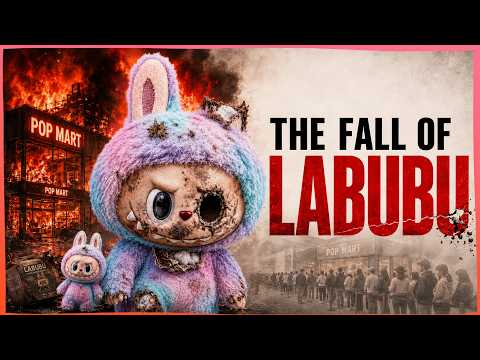
Adults shoving one another through grocery store aisles, screaming at retail employees, and camping outside stores before sunrise have become the unlikely faces of a craze involving NeeDoh squishy toys. What should be an inexpensive, harmless novelty has apparently turned into a competitive shopping obsession, complete with confrontations, alleged resellers, and police involvement. The creator approaches this spectacle with a mixture of disbelief, sharp humor, and genuine frustration, arguing that limited-edition merchandise and viral shopping trends are encouraging increasingly unreasonable behavior.
The discussion begins with chaotic scenes surrounding Halloween-themed NeeDoh releases at Aldi, where shoppers reportedly arrive hours before opening for products generally costing between four and eight dollars. One particularly disturbing confrontation appears to involve a shopper being thrown to the floor, while another person seemingly prioritizes retrieving a dropped toy over helping. Additional footage features aggressive shouting, arguments over queue positions, and customers scrambling for limited stock. These examples give the commentary a concrete foundation, although the circumstances surrounding individual incidents are not always sufficiently established to support the creator's broader conclusions about everyone involved.
One of the strongest elements is the attention paid to children caught up in these shopping frenzies. The creator questions parents bringing young children to stores at four in the morning, potentially sacrificing sleep and school attendance for collectible toys. Another clip shows a parent running through Target while carrying a child and apparently colliding with shelving. These moments raise legitimate concerns about judgment, safety, and the example adults set for younger shoppers. However, the suggestion that children are necessarily missing school or suffering educational consequences sometimes goes beyond what the footage establishes.
The commentary becomes particularly effective when examining how scarcity and resale opportunities may influence consumer behavior. Limited inventory, purchasing restrictions, and the popularity of particular Halloween designs create conditions where shoppers compete aggressively for merchandise. The creator suspects professional resellers are responsible for much of the disorder, citing people grabbing entire boxes and attempting multiple transactions. That explanation is plausible in some cases, but the presentation frequently treats resale motives as established facts without independently demonstrating the intentions of individual shoppers. A more careful distinction between enthusiastic collectors, opportunistic resellers, and genuinely aggressive customers would strengthen the analysis.
Retail workers emerge as another important part of the story. Footage from Aldi and Kohl's shows employees attempting to explain inventory limitations, establish purchasing rules, and maintain order among impatient customers. The creator rightly emphasizes that frontline employees should not be subjected to intimidation over merchandise availability or store policies beyond their control. The expansion of similar promotions into hardware stores, sporting goods retailers, and coffee chains also illustrates how widely collectible merchandise marketing can spread. Still, the creator's suggestion that police are present at virtually every release, along with exaggerated estimates about police calls, is not supported by systematic evidence.
Humor provides much of the entertainment, from comparisons with professional wrestling to the observation that stress-relief toys are apparently generating extraordinary amounts of stress. The extended examination of 7 Brew's promotional squishy toy offers a particularly effective conclusion, highlighting lengthy vehicle queues, questionable product quality, and the absurdity of waiting hours for something that may quickly lose its appeal. Yet the relentless outrage eventually becomes repetitive. Frequent declarations that society has lost its humanity, repeated insults about the toys' appearance, and sweeping judgments about adults who collect them sometimes distract from the more persuasive criticism of unsafe conduct and manipulative purchasing incentives.
Pros
- Numerous specific shopping incidents provide a vivid foundation for examining aggressive behavior surrounding limited-edition collectibles.
- The discussion of children being brought to early-morning releases raises meaningful concerns about parental priorities, safety, and responsible behavior.
- Attention to retail employees highlights the unfair pressure placed on workers attempting to manage inventory shortages and confrontational customers.
- The examination of scarcity marketing, purchasing limits, and potential resale incentives offers a useful explanation for why inexpensive products can attract intense competition.
- Sarcastic commentary and the contrast between stress-relief products and stressful shopping experiences make the presentation entertaining and memorable.
- The inclusion of promotions across several retail chains demonstrates how collectible merchandise campaigns extend beyond traditional toy stores.
Cons
- Repeated expressions of outrage and similar examples of shoppers rushing through stores make the lengthy presentation unnecessarily repetitive.
- Claims about professional resellers, widespread police involvement, and shoppers' motivations frequently rely on assumptions rather than independently established evidence.
- The creator sometimes generalizes from extreme incidents to characterize collectors and participants more broadly than the available examples justify.
- Insults directed at shoppers and repeated criticism of the toys' appearance occasionally undermine the seriousness of the legitimate safety concerns.
- Limited examination of retailers' promotional strategies and possible solutions leaves the broader consumer culture argument less developed than it could be.
The creator delivers an energetic, frequently funny, and sometimes genuinely troubling examination of how collectible merchandise promotions can encourage irresponsible shopping behavior. Its strongest moments expose the consequences for children, retail employees, and ordinary customers, while its weaker passages substitute repetition and speculation for deeper analysis. Despite its exaggerated delivery, the commentary raises worthwhile questions about consumer priorities, artificial scarcity, and the increasingly competitive pursuit of disposable trends.