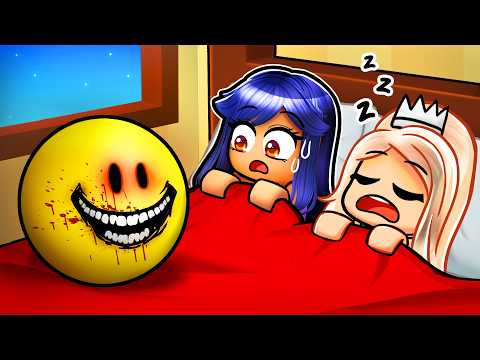
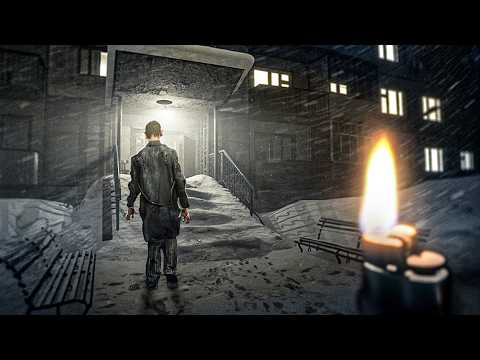
A bedtime survival game built around remembering mundane safety checks makes for an efficient opening scare. Locking the door, closing the window, arming the security system and eventually hiding the knives turns ordinary household precautions into a compact trial-and-error puzzle, while the repeated deaths give Markiplier plenty of room for escalating jokes. The problem is that he gradually realizes he has already played the game before, undercutting both the surprise and its place in the compilation before he sensibly moves on.
The lottery experiment that follows is stranger and more mechanically involved. Stripping down, repeatedly dialing numbers, winning packages and feeding their contents into an upgrade economy creates an effectively oppressive routine, helped by the sterile environment and Markiplier's repeated comparison to the atmosphere of Presentable Liberty. His confusion over currencies, timers, package storage and upgrade functions mirrors how little the game initially explains, which can be amusing but also makes a substantial portion of the segment feel like figuring out an interface rather than experiencing horror.
That second game eventually works better as absurd unease than as a conventional scare experience. The increasingly ridiculous pile of packages turns an apparently beneficial capacity upgrade into a logistical nightmare, and Markiplier's mounting frustration gives the sequence a comic rhythm of its own. Its final reveal catches him off guard, but even he acknowledges that the experience is only loosely a horror game; the unsettling presentation does more work than the gameplay in sustaining the genre label.
Clown Hole is where the compilation becomes substantially more engaging. What initially sounds like a one-joke premise develops into a surprisingly functional mining and defense game involving resource extraction, workers, fighters, harvesters, light expansion and hostile clown attacks. Markiplier quickly begins thinking strategically about worker placement, defensive grouping, campfires, resource reserves and how revealing more of the cave changes the threat, so the commentary becomes more than a succession of reactions.
The game's grotesque vocabulary also provides some of the funniest material without replacing the mechanics. Clown eggs, clown silk, giant enemies and repeated discussion of surviving deeper in the "clown hole" are inherently ridiculous, yet the underlying resource-management loop is coherent enough that Markiplier becomes genuinely invested. His decision to revisit an earlier level and experiment with upgrades is especially telling: rather than merely enduring the game for the compilation, he appears to be exploring it because the systems have hooked him.
Side Hustle returns to a more familiar indie-horror structure, using a carpet shop as the routine workplace hiding a grotesque secret. Customer requests, deliveries and repeated opening-and-closing duties establish the ordinary job before threatening calls, a missing child and increasingly suspicious townspeople expose the premise that human victims are being made into rugs. The escalation is clear, and the dialogue choices give Markiplier useful comedic opportunities, particularly because the harsher responses make his character unexpectedly unpleasant even before the larger reveal.
The final game's weakness is that its mystery is more elaborate than its gameplay. Once Daniel explains what happened to his wife, the story largely proceeds through exposition, pouring gasoline and a deliberately theatrical confrontation, while questions about why the town protects Gary or how the operation works remain unanswered in the route shown. Markiplier's improvised villain dialogue makes the climax entertaining, and he gives the finished game appropriate credit for having a complete beginning-to-end structure, but his closing assessment is fair: there is a workable horror premise here without enough mechanical or narrative depth to make it exceptional.
Pros
- Clown Hole develops a genuinely engaging resource-management and defense loop that prompts increasingly thoughtful strategic play.
- Markiplier consistently turns mechanical confusion, absurd terminology and unexpected design choices into effective comedy without losing track of what each game is attempting.
- The compilation contains considerable structural variety, moving from memory-based survival to an upgrade-driven lottery experiment, strategy mining and narrative store horror.
- Side Hustle uses its dialogue choices effectively, giving the commentary additional personality while gradually revealing the disturbing premise behind the carpet business.
Cons
- The opening game loses momentum once Markiplier realizes he has already played it, making the segment feel accidental rather than deliberately selected.
- The lottery game's poorly explained systems create prolonged confusion that sometimes overwhelms its unsettling atmosphere.
- Several entries qualify as horror primarily through creepy presentation or grotesque concepts rather than sustained tension or frightening gameplay.
- Side Hustle explains its central revelation more clearly than it develops it, leaving the town's complicity and the larger mechanics of Gary's operation thinly explored.
The compilation is inconsistent as pure horror, but its variety and Markiplier's adaptable commentary keep even the weaker experiments watchable. Clown Hole is the clear standout because its absurd premise conceals a surprisingly satisfying strategy game, while the other entries contribute memorable ideas without reaching the same level of execution.