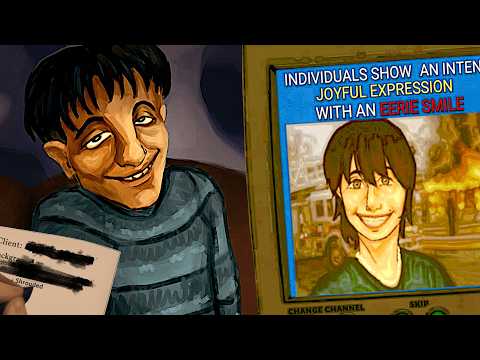
The presentation brings together three unrelated historical and modern tragedies under a single theme: the danger of allowing confidence born from experience to override caution and good judgment. Rather than treating the stories as disconnected curiosities, it consistently returns to the idea that expertise can become a liability when it encourages certainty in flawed assumptions. That clear thematic focus gives the episode cohesion despite the very different settings and time periods.
The first account is the most unusual, centering on a man whose lifelong belief in vampires shaped his nightly routine. The narrative carefully explains the cultural background that influenced his fears before revealing the ultimately mundane cause of his death. Although the discussion includes beliefs about vampires and references to reported sightings, the presentation ultimately attributes the fatal outcome to an accidental choking incident rather than suggesting supernatural forces were involved. This distinction prevents the story from endorsing paranormal claims while still exploring how deeply held beliefs can influence real-world behavior.
The second story shifts to medieval Scotland and recounts the conflict between Sigurd the Mighty and his opponent, highlighting how triumph turned into disaster after an infected wound caused by the severed head of the defeated leader. As with many events drawn from early medieval tradition, the historical details rely on long-preserved accounts whose precision cannot always be verified, and the presentation would have benefited from acknowledging that uncertainty more explicitly. Even so, the story effectively reinforces the video's central argument by showing how overconfidence and celebration immediately after victory contributed to an unexpected death.
The final segment is the strongest from an evidential standpoint because it examines a documented industrial disaster. By explaining the properties of pressurized liquid gas, the effects of heat, and the consequences of ignoring safety warnings, the narrative presents a clear chain of cause and effect leading to the catastrophic explosion. Rather than portraying the event as random misfortune, it emphasizes how routine shortcuts and misplaced confidence can produce devastating consequences affecting many innocent people.
Throughout the episode, the storytelling remains engaging without relying solely on sensationalism. The gradual pacing, descriptive scene-setting, and delayed revelations create suspense while ensuring each ending serves the broader theme instead of existing purely for shock value. The transitions between stories are also handled smoothly, reinforcing the common lesson rather than making the compilation feel repetitive.
Some limitations remain. The episode prioritizes narrative momentum over deeper historical or documentary context, leaving little room to discuss competing interpretations, source reliability, or broader background surrounding the historical accounts. Viewers interested in a more evidence-focused examination may wish for greater clarification about where established historical documentation ends and later tradition or folklore begins. Nevertheless, the overall structure is coherent, the central message remains consistent, and the presentation succeeds as both an entertaining collection of cautionary stories and a reflection on the risks of misplaced certainty.
Pros
- Unifies three very different stories through a clear and consistently developed central theme.
- Distinguishes the first story's supernatural beliefs from the natural cause of death rather than presenting paranormal claims as established fact.
- Builds suspense through effective pacing while ensuring each reveal reinforces the episode's overall message.
- Explains the industrial disaster with a logical chain of events that makes the underlying safety failures understandable.
Cons
- The historical story would benefit from clearer discussion of the reliability and limitations of the medieval sources on which it is based.
- The emphasis on storytelling leaves limited room for broader historical, cultural, or technical context surrounding the events.
This is a well-crafted collection of cautionary narratives that succeeds because its stories serve a common idea rather than functioning as isolated anecdotes. While some historical material could be framed with greater discussion of evidential uncertainty, the presentation is engaging, thoughtfully organized, and generally careful to separate belief from demonstrable cause where appropriate.