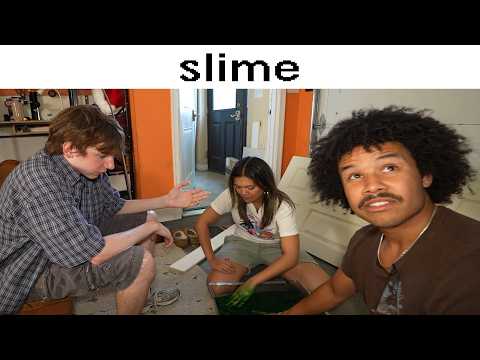
The strongest part of this discussion is the distinction it draws between criticizing Alana for her actions and treating controversy as permission to attack her appearance. Her medieval-boy cosplay becomes the latest target after earlier disputes involving an AI-art promotion and accusations of racism, yet much of the reaction described has remarkably little to do with any of those issues. Instead, commenters fixate on her face, teeth, cheeks, body, and supposed resemblance to an “inbred” person. By putting those reactions beside comments questioning the pile-on, the video finds a worthwhile central argument: accountability becomes difficult to take seriously when substantive criticism is replaced by humiliation.
That argument is especially effective because the presenter does not pretend Alana's earlier controversies disappeared simply because the latest attacks became excessive. The Meta partnership is presented as particularly damaging to her relationship with artists who had previously drawn and promoted her, and the video includes the perspective of an artist who felt that supporting generative AI betrayed the community that helped build her popularity. Whatever one thinks of that interpretation, it gives the backlash a concrete origin and explains why some viewers already regarded Alana negatively before the cosplay videos began circulating.
The racism allegations require more care, and the video at least acknowledges that the evidence is disputed. A demon cosplay involving a black-painted face is cited as the source of blackface accusations, but opposing commentary argues that blackface involves a racist caricature rather than merely using black face paint for an unrelated character. The video also raises alleged likes involving anti-immigration material and claims about white women, then includes skepticism about screenshots whose provenance cannot apparently be verified. That uncertainty is important. The episode would be much weaker if it simply repeated “racist” as an established description when its own material shows disagreement over both the interpretation of the cosplay and the authenticity or context of other alleged evidence.
Where the presentation becomes less disciplined is in repeatedly adopting loaded descriptions while simultaneously demonstrating that some allegations remain unresolved. The presenter sometimes calls Alana problematic or refers broadly to nasty and controversial things she has supposedly said before later showing commenters disputing what can actually be established. The blackface section similarly moves through accusation, defense, intention, apologies, and questionable screenshots without always making the evidentiary status of each claim immediately clear. The eventual nuance helps, but organizing the allegations into what is shown, what is disputed, and what cannot be verified would make the discussion considerably more reliable.
The appearance-based backlash is handled more convincingly. Comments calling Alana ugly or “inbred” are not treated as meaningful criticism, and the video makes the useful observation that attacking physical traits can also hurt unrelated people who share them. There is also an interesting contradiction in how the internet reportedly responded to the same distinctive appearance: features once praised as ideal for Renaissance-inspired artwork become evidence of supposed ugliness once the person associated with them becomes unpopular. That reversal supports the video's broader point about how quickly online aesthetic judgment can become a proxy for moral judgment.
There is nevertheless a great deal of repetition. Numerous comments communicate essentially the same idea that Alana looks strange, while another series argues that criticizing her appearance is irrelevant to whatever wrongdoing people believe she committed. The presenter reaches the sensible conclusion fairly early that personal insults and legitimate criticism are different things, so additional examples increasingly reinforce rather than develop the argument. The mid-video subscription interruption also arrives during the central discussion and weakens the momentum. A tighter edit could preserve the scale and ugliness of the pile-on without reproducing so many variations of it.
The final assessment is appropriately cautious about why the watermelon cosplay became such a flashpoint. Rather than inventing a definitive explanation, the video proposes two possibilities: people seized on her appearance, or resentment from earlier controversies accumulated until an otherwise innocuous cosplay became the trigger for another backlash. Alana's decision to continue posting and revisit the cosplay is presented as evidence that she has not publicly allowed the reaction to derail her content, although inferring her emotional state from continued posting goes further than the available material can establish. Ultimately, the episode works best not as a verdict on Alana herself but as a case study in how internet criticism can lose sight of its supposed purpose.
Pros
- Clearly separates criticism of someone's actions from irrelevant attacks on physical appearance.
- Provides useful context about the earlier AI-art controversy and why Alana already had a strained relationship with parts of the art community.
- Includes competing interpretations of the alleged blackface cosplay rather than presenting one interpretation as uncontested.
- Acknowledges uncertainty surrounding screenshots and other racism allegations whose sourcing is described as difficult to verify.
- Highlights the revealing reversal from praising Alana's distinctive appearance as artistic inspiration to mocking those same features after controversy.
Cons
- Repeats numerous insulting comments after the central point about appearance-based harassment is already established.
- Sometimes uses broad descriptions of Alana as problematic or racist more confidently than the disputed evidence presented would justify.
- The racism section could distinguish more systematically between documented actions, interpretations, allegations, apologies, and unverifiable claims.
- Speculation about Alana's emotional reaction based on her continued posting is not firmly supported.
- The subscription interruption breaks the flow of one of the video's most substantive sections.
The most valuable observation here is not whether a medieval cosplay was cringe, attractive, or deserving of millions of views, but how quickly an online controversy can turn criticism into permission for cruelty. The earlier AI-art dispute provides understandable context for resentment from artists, while the racism allegations are substantially more complicated because the video itself presents competing interpretations and questions about the reliability of some evidence. Those issues deserve to be evaluated on what can actually be established, not converted into ammunition for mocking someone's face. The episode understands that distinction and is strongest when examining the strange transformation of Alana's appearance from celebrated artistic inspiration into a target for ridicule. It loses precision when repeating accusations before fully establishing their evidentiary status and spends too long cataloguing variations of the same insults, but its central argument remains persuasive. Disliking someone's choices does not make every attack on that person relevant criticism, and the scale of this particular pile-on demonstrates how easily the internet can confuse accountability with entertainment.