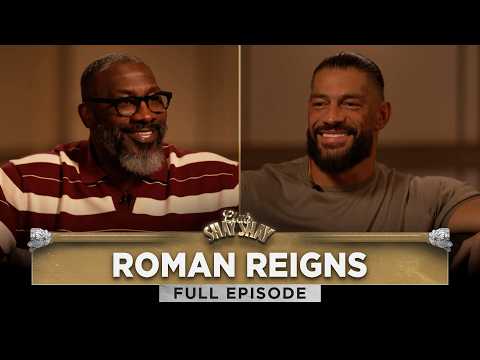
Roman Reigns and the ever-changing Bloodline remain at the center of some of WWE's most dramatic storytelling, where family loyalty can quickly transform into bitter rivalry. This collection revisits major returns, unexpected alliances, and explosive confrontations involving Jey Uso, Jimmy Uso, Solo Sikoa, and other figures connected to the faction. Rather than focusing on individual matches, the playlist emphasizes the emotional consequences of betrayals and the unpredictable moments that reshape the family's power structure. The result is an energetic showcase of professional wrestling drama built around personal relationships and shifting allegiances.
Jey Uso's arrival on Monday Night Raw establishes an important theme of the collection, highlighting how the Bloodline's influence extends beyond a single show. His introduction carries additional significance because of his complicated history with Roman Reigns and the rest of the family. Later appearances reinforce that tension, particularly when Jey returns to Madison Square Garden following an attack on his brother Jimmy. His confrontation with Solo Sikoa delivers an immediate emotional payoff, turning a family dispute into a physical battle fueled by revenge.
Roman Reigns' presence provides much of the playlist's dramatic weight, even when he is not directly responsible for the action. His authority as the Tribal Chief creates an atmosphere in which every disagreement threatens the stability of the entire faction. One particularly memorable sequence features opponents overwhelming Roman and his allies before stacking them together in an unmistakable display of dominance. The commentators effectively emphasize the humiliation of the moment, making the confrontation feel like more than another routine ringside attack.
The complicated relationship between Jey Uso and Sami Zayn introduces another engaging dimension to the collection. Their disagreement following a chaotic encounter demonstrates how past loyalties and misunderstandings continue to influence their interactions. Sami's attempt to intervene and Jey's apparent frustration create a believable source of tension within WWE's ongoing storyline. However, the relatively brief treatment of their disagreement limits its emotional impact, especially for viewers unfamiliar with the history connecting the two wrestlers.
Jimmy Uso's return adds a welcome emotional contrast to the more aggressive confrontations. His appearance following an extended absence due to injury is presented as a significant moment for Roman Reigns and the family, with their embrace briefly replacing hostility with genuine celebration. The collection also highlights the importance of numbers and alliances through a confrontation involving an apparent four-against-five disadvantage and the absence of a trusted adviser. These developments help establish the Bloodline as a constantly evolving power struggle rather than a stable group of relatives fighting alongside one another.
The most dramatic material arrives through the increasingly ruthless treatment of figures associated with Roman Reigns. Paul Heyman's declaration of loyalty, followed by his dismissal and a violent confrontation involving steel chairs, provides a particularly striking example of the faction's willingness to turn against its own members. The closing announcement of the Final Boss's return creates another major development and leaves the future of the Bloodline unresolved. These moments are effective because the emotional stakes are rooted in loyalty, authority, and betrayal rather than physical punishment alone.
As a presentation, the playlist benefits from enthusiastic commentary, recognizable personalities, and a succession of high-impact moments. The commentators' reactions help communicate the importance of unexpected appearances and confrontations, while the combination of surprise returns and aggressive exchanges maintains considerable momentum. Nevertheless, the compilation's fragmented chronology makes some developments difficult to follow. Abrupt transitions between different rivalries and time periods occasionally obscure the relationships between events, while limited explanatory context prevents the collection from functioning as a complete introduction to the Bloodline storyline. Established fans will recognize the significance of many moments, but newcomers may struggle to understand why particular betrayals and reunions matter.
Pros
- The collection captures the emotional intensity of the Bloodline storyline through memorable returns, betrayals, and family confrontations.
- Jey Uso's appearance at Madison Square Garden creates an exciting confrontation with Solo Sikoa that draws directly on their family conflict.
- Roman Reigns' authority and the repeated challenges to his leadership provide a consistent dramatic foundation.
- Jimmy Uso's return introduces a meaningful moment of reconciliation amid the faction's increasingly violent disputes.
- The tensions between Jey Uso and Sami Zayn demonstrate how complicated personal relationships contribute to WWE's storytelling.
- Paul Heyman's dismissal and the subsequent physical confrontation deliver one of the collection's most shocking betrayals.
- The energetic commentary successfully amplifies major surprises, aggressive encounters, and shifts in power.
Cons
- The fragmented chronology makes it difficult to establish a clear sequence connecting the various returns and confrontations.
- Several important developments receive insufficient background information for viewers unfamiliar with the Bloodline's history.
- Abrupt transitions between separate storyline moments occasionally interrupt the emotional momentum.
- The emphasis on dramatic confrontations leaves relatively little opportunity to explore character motivations in greater depth.
- Some major developments, including the shifting alliances and the Final Boss's return, are introduced without enough subsequent material to provide a satisfying resolution.
WWE's Bloodline compilation succeeds as an exciting collection of family conflicts, emotional reunions, and shocking betrayals, supported by passionate commentary and memorable confrontations. Although its uneven continuity and limited background information make it more rewarding for established fans than newcomers, the intensity of the featured moments demonstrates why the faction's internal power struggles remain such an effective source of wrestling entertainment. The combination of Jey Uso's defiance, Jimmy Uso's return, Roman Reigns' threatened authority, and Paul Heyman's betrayal makes this a compelling highlight reel despite its storytelling gaps.