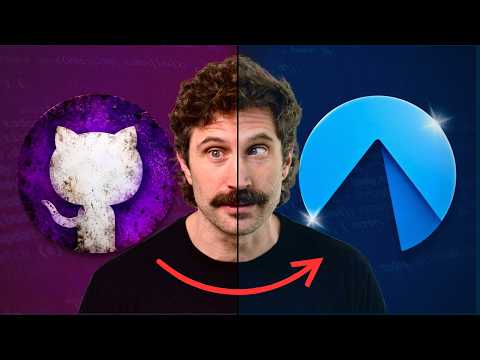
A YouTube channel once devoted to unusual people and their fascinating personal stories has returned from a lengthy absence with a dramatically different approach. Jacksfilms examines how 60 Second Docs, known for short documentaries featuring eccentric collectors, unconventional occupations, and remarkable hobbies, has shifted toward artificially generated historical reenactments. His reaction combines disappointment, sharp humor, and a broader criticism of replacing authentic creative work with automated production.
The opening establishes why the change matters by showcasing the channel's earlier material, including a collector with an enormous assortment of Titanic VHS tapes and individuals pursuing unusual creative interests. These examples demonstrate the personality and human connection that distinguished the original format. Jacksfilms also notes the channel's substantial audience, citing approximately 155,000 YouTube subscribers and more than two million TikTok followers. This background gives his criticism meaningful context: the issue is not simply the use of new technology, but the apparent abandonment of a recognizable editorial identity.
The first major example involves a historical reenactment of Mary Phelps Jacob, presented as the inventor of the modern bra. Jacksfilms highlights unnatural facial movements, particularly the character's mouth, while questioning the decision to replace interviews with real people with synthetic historical personalities. He then examines a recreation of journalist Martha Gellhorn, pointing out awkward typewriter movements and an apparently floating pen. These specific observations make the criticism more substantial than a generalized objection to artificial imagery, although the discussion does not independently assess the historical accuracy of either portrayal.
The most entertaining and revealing section focuses on a reenactment of William Gorgas discussing mosquito control during construction of the Panama Canal. Jacksfilms identifies inconsistent vocal delivery, an awkwardly written passage about workers dying from disease, and a sleeve that visibly changes shape during a gesture. His repeated examination of these moments demonstrates how visual, audio, and writing problems can accumulate in supposedly educational material. The criticism becomes particularly effective when he questions a line suggesting that workers died from disease and then simply gave up, exposing how careless phrasing can undermine the seriousness of a historical subject.
Sound design receives equally aggressive scrutiny. Jacksfilms repeatedly mocks the upbeat, rhythm-heavy background music accompanying descriptions of deadly disease and construction fatalities, arguing through exaggerated reactions that the soundtrack is wildly inappropriate for the material. His comedic imitation of the music is memorable, and the contrast between tragic subject matter and energetic accompaniment supports his point about poor editorial judgment. However, the extended repetition also illustrates a weakness in his own presentation: the joke continues well beyond the point necessary to establish the criticism, occasionally slowing the discussion.
Audience reaction provides another important element. Jacksfilms displays negative comments from YouTube and TikTok users who appear frustrated by the channel's new direction, including viewers expressing disappointment after following its earlier work. These examples suggest genuine dissatisfaction among some established followers, but his sweeping conclusion that nobody likes the change goes further than the evidence presented. Selected comments cannot establish the views of an entire audience, and his speculation about a possible corporate acquisition remains explicitly unconfirmed. The video is strongest when examining observable production problems rather than interpreting the channel's business decisions or overall reception.
Despite its confrontational tone, the commentary offers a constructive alternative. Jacksfilms argues that historical mini-documentaries could work well if their creators employed animators and other creative professionals to produce distinctive interpretations of historical figures. This distinction is important because his objection extends beyond the subject change itself to the apparent loss of human craftsmanship and editorial care. His playful exchange with Reactbot reinforces that argument, even as the frequent profanity, interruptions, lengthy sponsor segment, and occasional tangents make the presentation less disciplined than its central critique deserves.
Pros
- Establishes the original appeal of 60 Second Docs through concrete examples of its personality-driven documentaries.
- Uses specific visual defects, including unnatural facial movements, floating objects, and a distorted sleeve, to demonstrate production shortcomings.
- Identifies awkward historical narration and questionable wording that raise legitimate concerns about editorial quality.
- Effectively illustrates how inappropriate background music can undermine serious educational storytelling.
- Incorporates viewer reactions from both YouTube and TikTok to show dissatisfaction with the channel's apparent creative shift.
- Offers a constructive alternative involving human animators and creative professionals rather than rejecting historical storytelling outright.
- Maintains an energetic, humorous presentation that makes technical and editorial criticism accessible.
Cons
- Repeated jokes about the soundtrack and extended rewinding of individual moments occasionally disrupt the pacing.
- Broad claims that audiences universally reject the new format are not supported by systematic engagement data.
- Speculation about a possible change in ownership adds little without corroborating information.
- Focuses heavily on production defects without thoroughly examining the historical accuracy or educational value of the featured documentaries.
- The confrontational language and frequent interruptions sometimes overshadow the more thoughtful argument about creative craftsmanship.
- The sponsor interruption arrives during the central discussion and temporarily breaks its momentum.
Jacksfilms delivers an entertaining and largely persuasive critique of 60 Second Docs' transformation, demonstrating how awkward synthetic performances, careless writing, and inappropriate sound design can weaken educational storytelling. His strongest argument is that a channel built around authentic human experiences risks losing its distinctive identity when it substitutes automated historical reenactments for carefully produced documentaries. Although repetitive humor and unsupported generalizations limit the analytical depth, the concrete examples and constructive defense of human creativity make this a worthwhile commentary.