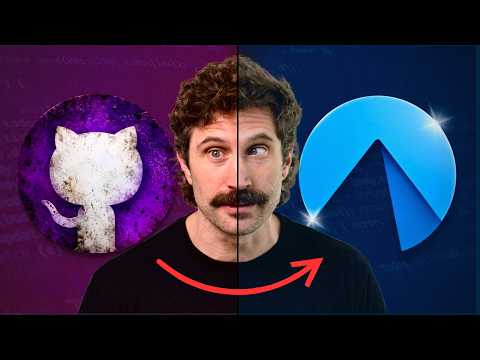
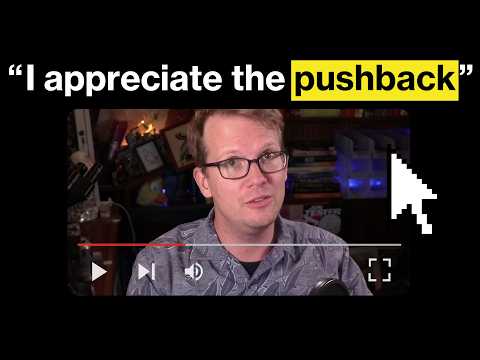
The video uses Hank Green's public apology over his use of large language models as the starting point for a much broader argument against AI-assisted creative work. Rather than functioning as a straightforward recap of the controversy, it blends reporting, opinion, humor, and philosophical reflection into a sustained critique of how generative AI may influence creators and audiences alike. The presentation makes clear when it is interpreting events or drawing conclusions, though many of its strongest claims about motivation, addiction, and future consequences remain the creator's own opinions rather than established facts.
A major strength is the way the discussion follows a coherent progression from the initial controversy into wider questions about creative integrity. The video examines reactions from social media, compares responses from supporters and critics, and spends time analyzing Hank Green's statements instead of reducing the situation to a single controversial clip. Even when disagreeing with Green, the narrator repeatedly argues against canceling him and acknowledges his longstanding positive contributions, creating a more balanced overall perspective than the title alone might suggest.
The presentation is highly engaging, combining rapid editing, jokes, pop culture references, and dramatic analogies to keep an exceptionally long discussion moving. Literary references, historical comparisons, and recurring comedy prevent the video from becoming a simple rant, although the frequent digressions occasionally interrupt the central argument. Some comparisons—particularly those involving unrelated historical works or exaggerated hypothetical scenarios—serve more as rhetorical devices than evidence supporting the video's conclusions.
When discussing AI itself, the video consistently distinguishes between observable events, such as Green's published apology and subscriber losses, and broader interpretations about AI addiction, declining creativity, or overreliance on language models. However, several assertions about psychological effects, the inevitability of artistic decline, and the motivations of AI users are presented with considerable confidence despite extending beyond what the documented controversy alone can establish. The inclusion of reported lawsuits and public discussions surrounding AI chatbots introduces serious issues, but these examples do not by themselves prove the broader philosophical conclusions the narrator reaches.
The strongest portions focus on creativity rather than technology itself. The narrator argues that artistic value comes from individual perspective, imperfection, and human experience instead of statistical imitation, returning repeatedly to this theme throughout the video. Whether viewers agree or disagree with the anti-AI position, the argument remains internally consistent and is reinforced through examples from music, writing, filmmaking, and education instead of relying solely on emotional appeals.
By the conclusion, the video has become less about one creator's decisions and more about what the narrator views as a cultural crossroads. Its willingness to criticize a longtime admired figure gives the discussion greater credibility than if it targeted only obvious opponents, but the intensely personal commentary sometimes blurs the distinction between demonstrated facts and broader speculation. Even so, the presentation succeeds in provoking thoughtful discussion about authenticity, technology, and the responsibilities of creators without reducing the subject to simple outrage.
Pros
- Develops a clear narrative that expands a single controversy into a broader discussion about creativity and AI.
- Distinguishes many factual events from the narrator's own interpretations and opinions.
- Balances criticism of Hank Green with recognition of his positive contributions and opposition to cancel culture.
- Energetic delivery, humor, and varied references keep a lengthy commentary engaging.
- Explores philosophical questions about authorship, originality, and creative integrity in considerable depth.
Cons
- Frequent tangents and comedic detours occasionally weaken the focus of the central argument.
- Several broad claims about AI's psychological and cultural effects are presented more confidently than the available evidence supports.
- Some analogies and hypothetical scenarios function as persuasive rhetoric rather than direct support for the video's conclusions.
This is an ambitious commentary that uses a well-known creator's AI controversy as a springboard for a much larger examination of technology's place in creative work. Its strongest moments come from thoughtful discussion of originality and artistic purpose, even if some broader conclusions rely more on interpretation than demonstrable evidence.