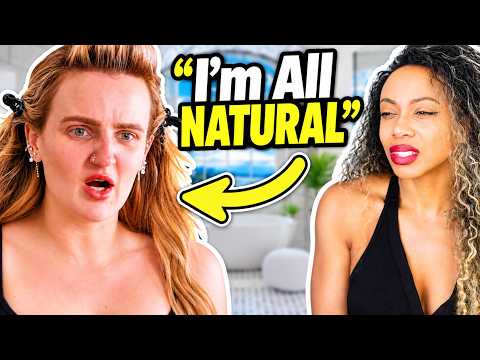
The most revealing part of the event is the mismatch between what ordinary attendees endured and how little of the experience was actually exclusive. People are shown arriving before sunrise, waiting for hours in summer heat, receiving wristbands, and in some cases reaching the front only after products had already sold out. Yet the video’s research suggests that almost everything being sold could already be purchased elsewhere, with the main location-specific attraction being a $110 Rhode Island hoodie. That makes the enormous lines difficult to justify on merchandise alone and shifts the story toward scarcity, celebrity anticipation, and the social value of simply being there.
The attendee videos give the criticism its strongest foundation. One person says she joined the line around 8:30 a.m. and did not check out until roughly 6:30 p.m.; another describes waiting about ten hours after arriving at 7:30 in the morning. People mention coffee, water, wristbands, shade matching, popsicles, scratch cards, bracelets, and limited umbrellas, so the event was not completely devoid of attempts to make the queue tolerable. The problem is scale. Those amenities sound minor against a wait long enough that attendees reportedly camped overnight or arrived around 3:30 a.m. for an event scheduled to open at 11.
Heat turns inconvenience into the episode’s more substantive criticism. The video shows attendees describing intense sun exposure and displays images of severe-looking sunburns, although the host’s suggestion that some resemble third-degree burns is not medically established by anything presented. Reports of umbrellas running out or being taken, combined with hours-long outdoor waiting, make the lack of reliable shade especially noticeable for an event associated with a skincare brand. The host repeatedly turns that irony into comedy, but beneath the jokes is a reasonable event-management question: if thousands of people are expected to queue outdoors in summer conditions, shade, hydration, throughput, and inventory planning matter more than decorative branding.
The merchandise analysis is useful because it punctures some of the perceived exclusivity. The host identifies the hoodie as the only item on the cited product list that appears specific to the pop-up, then mocks both its minimal Rhode Island design and its $110 price. He also points to resale listings ranging into the hundreds of dollars and even much higher asking prices. Those listings demonstrate speculative resale attempts, not actual market value, and the video does not establish whether anyone paid those amounts. Still, the resale behavior helps explain why scarcity can intensify demand even when the object itself is fairly ordinary.
Celebrity expectation adds another layer to the disappointment. Attendees are shown hoping Hailey Bieber might appear, with some apparently extending that hope to Justin Bieber as well. The video first jokes that Hailey did not show up, then corrects itself: she did appear in connection with the influencer portion of the trip, including a dinner, rather than being presented as accessible to the general queue. The distinction matters because the video does not establish that Rhode officially promised public attendees a chance to meet her. Fans may have built expectations from rumors. Even so, placing invited creators in luxurious accommodations with abundant products and direct brand experiences while regular customers wait for hours creates an optics problem that the video illustrates effectively.
That influencer contrast is the sharpest section of the commentary. Paid or invited creators are shown receiving stocked rooms, branded amenities, dinners, scenic accommodations, products, and access to Hailey, while public attendees describe sun, long lines, scarcity, and the possibility of leaving empty-handed. The host frames this as almost dystopian, which is intentionally exaggerated, but the underlying marketing criticism is legitimate. Influencer trips are meant to generate aspirational content, yet that strategy can backfire when the aspirational experience is displayed alongside customers having a visibly worse experience at the same branded moment.
The presentation is energetic and frequently funny, but it is also repetitive and sometimes careless. The host keeps returning to the absurdity of camping overnight for a hoodie, repeats the contrast between influencers and regular attendees, and leans heavily on insults and hyperbole. Comparisons to TanaCon, Coachella, and even people being unable to survive in a developing country push the humor beyond what the evidence needs. Claims about thousands of attendees, exact inventory adequacy, the company’s valuation, or the severity of sunburns would also benefit from more caution. The central case is strong enough without those embellishments: extraordinarily long waits, product shortages, uncomfortable weather exposure, and a visibly privileged influencer experience already make the event look poorly balanced.
Pros
- Attendee videos provide concrete examples of extremely long waits, early-morning arrivals, product shortages, and difficult summer conditions.
- Identifying the Rhode Island hoodie as the primary pop-up-specific merchandise makes the scale of the lines easier to evaluate.
- The contrast between the public queue and the invited influencer experience creates a strong critique of how luxury brand marketing can alienate paying customers.
- The video acknowledges amenities such as water, coffee, popsicles, wristbands, shade matching, bracelets, and umbrellas rather than pretending organizers provided nothing.
- Correcting the initial claim that Hailey Bieber never appeared prevents the commentary from leaving a misleading impression once her influencer appearance becomes relevant.
Cons
- The repeated jokes about waiting ten hours for a hoodie and the influencer-versus-customer divide become excessive once those points are already established.
- Severe sunburns are compared to third-degree burns without medical evidence supporting that characterization.
- Resale asking prices are treated as evidence of absurd valuation even though the video does not show that buyers actually paid those amounts.
- The presentation sometimes treats attendee hopes of meeting Hailey Bieber as if the brand failed to deliver a promised appearance, even though no public meet-and-greet promise is established.
- Comparisons to TanaCon, Coachella, and developing countries exaggerate a criticism that is already persuasive through the documented logistical problems.
The event looks less disastrous because of any single mistake than because the customer experience and promotional image appear so badly misaligned. Regular attendees describe camping overnight, waiting through intense heat, dealing with limited shade, and risking sold-out products after hours in line, while invited creators receive stocked accommodations, branded meals, exclusive access, and a much more comfortable version of the same campaign. The video is right to focus on that contrast because it raises a broader question about what brands communicate when their most lavish hospitality is reserved for people being paid or incentivized to promote them while actual customers absorb the inconvenience. Some attendees clearly enjoyed themselves, organizers did provide several queue amenities, and rumors about celebrity appearances should not be treated as promises. The commentary also weakens itself with repetition, unsupported medical language, and exaggerated comparisons. Even with those flaws, the underlying critique is persuasive: for an event built around premium branding and customer enthusiasm, ten-hour waits and uncertain inventory make the experience feel far less luxurious than the marketing surrounding it.