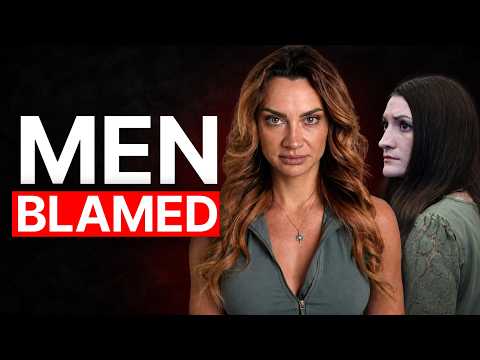
The deaths of Kora, Dawson and Callen Clancy sit at the center of a case in which the basic act is not disputed, but criminal responsibility is. That distinction gives the discussion a clear foundation: Lindsey Clancy's defense acknowledges that she killed her children while arguing that postpartum psychosis left her legally insane, whereas prosecutors contend that her actions were intentional and premeditated. The presentation does a good job establishing those competing theories before moving into the more complicated questions surrounding her psychiatric care, her husband's timeline and the evidence being debated in court.
Patrick Clancy's testimony receives especially detailed attention, including the timing of his trip to CVS and a restaurant, the 5:24 p.m. work email and the uncertainty surrounding why a short drive apparently took considerably longer. The strongest moments here separate confirmed courtroom evidence from claims circulating online, particularly by noting that testimony had not established that the email came from the family's home IP address and that neither side had challenged whether surveillance images showed Patrick wearing the same shoes. That restraint is valuable. Unfortunately, the segment then spends substantial time on his reported dating life and a Costa Rica trail review, material that may fuel public curiosity but does little to establish what happened inside the Clancy home.
The account of Lindsey's medical treatment is much more consequential. Numerous appointments, emergency visits, medication changes, psychiatric hospitalization and reports of worsening anxiety, depression and thoughts of harming the children create a disturbing picture of a woman repeatedly seeking help while being treated by multiple providers. Testimony that some clinicians lacked access to records from other facilities, along with evidence that providers were unaware of the full extent of her treatment elsewhere, gives the defense's argument about fragmented care meaningful factual support. At the same time, the report appropriately notes that the physicians testified they did not observe psychosis, preventing the presentation from simply treating the defense diagnosis as an established medical fact.
The examination of individual clinicians is revealing but occasionally crosses from reporting into advocacy. Dr. Jennifer Tufts' limited independent experience, short virtual appointments and disputed medical notation are legitimate subjects for scrutiny, while Dr. Alia Goodheart's discharge planning and Rebecca Gelata's lack of access to other treatment records raise understandable questions about continuity of care. Yet comments describing Lindsey as "clearly severely ill" or expressing disbelief that Psychology Today was suggested after discharge effectively supply the narrator's judgment before the legal and medical significance of those decisions has been established. The existence of pending malpractice litigation against several providers makes that distinction particularly important.
Evidence concerning Lindsey's own state of mind is presented with useful balance. Phone searches involving suicide, disabling airbags and whether a sociopath can be treated can plausibly support very different interpretations, and the report explains how each side uses the same conduct differently. Her civil lawsuit's account of hearing commanding voices is likewise identified as her allegation rather than independently proven fact, while the prosecution's competing theory regarding her route planning is also made clear. Dr. Paul Zyzel's testimony about intermittent psychotic symptoms adds support for the defense without resolving whether such symptoms were actually present during the killings.
The discussion becomes less disciplined when the narrator repeatedly invokes what "the internet," TikTok users or trial watchers think about witnesses, lawyers and courtroom behavior. A law professor's warning that jurors are receiving a different evidentiary record than social-media audiences is one of the most useful points in the entire piece, yet the surrounding presentation repeatedly reproduces the very speculation it cautions against. Assessing Lindsey's crying as potentially genuine or fake, describing the defense lawyer's online nickname and highlighting theories about Patrick's movements may illustrate the public atmosphere, but those details also risk turning a difficult insanity case into an online mystery hunt.
Despite those tensions, the closing explanation of what the jury must decide is appropriately sober. The potential outcomes are presented in understandable terms, and the report repeatedly returns to the central legal question rather than pretending that unusual details such as missing fingerprints establish an alternative perpetrator. Its strongest message is that social-media consensus has no evidentiary role in the verdict. That makes the occasional indulgence in the same speculative culture frustrating, but it does not erase the considerable value of the courtroom chronology, medical testimony and competing interpretations assembled here.
Pros
- Clearly explains that the killings themselves are not disputed and that the central legal issue is Lindsey Clancy's criminal responsibility under an insanity defense.
- Reconstructs Patrick Clancy's timeline with specific surveillance times, phone activity and the disputed work email while distinguishing several online claims from established courtroom evidence.
- Gives substantial attention to Lindsey's extensive psychiatric treatment, medication changes, hospitalization and reported efforts to seek help.
- Shows how fragmented communication among multiple providers supports part of the defense argument without treating postpartum psychosis as conclusively established.
- Presents phone searches, route planning and Lindsey's reported hallucinations as evidence subject to competing prosecution and defense interpretations.
- Uses Cheryl Bader's commentary effectively to explain the important difference between what jurors hear in court and what social-media audiences encounter online.
Cons
- Devotes excessive attention to speculative social-media material about Patrick Clancy, including his dating life, footwear and a Costa Rica trail review that have limited demonstrated relevance to the legal issues.
- The narrator sometimes moves from describing medical testimony into personal conclusions about the adequacy of Lindsey's care before those conclusions have been established.
- Repeated references to what online observers believe about Lindsey's emotions, Patrick's behavior and the defense attorney undercut the otherwise strong warning against trying the case through social media.
- Some unusual evidence, including the absence of usable fingerprints, is framed dramatically even though the report itself acknowledges that neither side disputes Lindsey killed the children.
A complicated insanity case is made unusually understandable through a detailed chronology of psychiatric treatment, family testimony and evidence that can support sharply different interpretations. The reporting is strongest when it distinguishes allegations, courtroom evidence and competing legal theories, but weaker when it amplifies speculative social-media narratives that it ultimately warns viewers not to trust. More consistently applying that evidentiary standard would make an already informative examination considerably stronger.