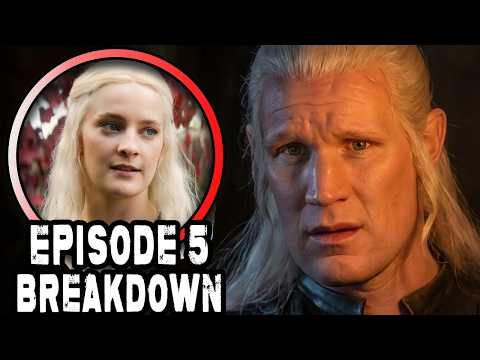
Rather than simply cataloging hidden references, this episode offers an extensive scene-by-scene analysis of House of the Dragon Season 3, Episode 4 while exploring how visual storytelling, historical context, and character motivations intersect. The discussion goes well beyond spotting Easter eggs, using each reference as a springboard into broader themes surrounding power, religion, family, and the increasingly destructive consequences of the Dance of the Dragons.
The strongest portion of the presentation centers on Ormond Hightower's emergence as the episode's primary antagonist. Rather than treating him as a conventional villain, the breakdown carefully examines his behavior, dialogue, costume design, and interactions with Daeron to argue that his ambitions extend far beyond supporting the Greens. The analysis connects his actions to the Hightowers' historical relationship with the Faith of the Seven and longstanding tensions with House Targaryen, building a coherent interpretation of his worldview from numerous small details scattered throughout the episode.
Throughout the review, the host frequently pauses to explain historical references from Westeros that newer viewers might otherwise miss. Mentions of Maegor the Cruel, Jaehaerys the Conciliator, Targaryen exceptionalism, House Manderly, House Arryn, and numerous other figures and locations are woven naturally into the discussion, helping place current events within the larger history of George R. R. Martin's world. These explanations make the episode considerably more accessible without feeling like lengthy lore lectures.
The video also pays close attention to production design. Color palettes, clothing choices, heraldry, set decoration, recurring animal imagery, dragon behavior, and even the placement of rats within Viserys' model of Old Valyria are all presented as deliberate storytelling devices rather than simple background decoration. Whether every interpretation reflects the creators' intentions cannot be confirmed, but the observations are generally presented as analysis rather than certainty and are grounded in visible details from the episode.
Character analysis remains another highlight. Rhaenyra, Alicent, Criston Cole, Aegon, Daemon, Mysaria, Corlys, and Daeron all receive attention, with the discussion emphasizing how grief, political pressure, and personal failures shape their decisions. The recurring comparison between competing visions of leadership—particularly through Rhaenyra's conflicting advisers Damon and Mysaria—adds additional depth beyond identifying references alone.
The presentation occasionally moves from observation into speculation about future story developments or hidden motivations. Ideas surrounding Ormond's long-term ambitions, Daeron's upbringing, Rhaena's relationship to the book character Nettles, Helaena's apparent pregnancy, and various character intentions are clearly interpretive readings based on the episode rather than established facts. For viewers who enjoy theorizing, these sections are engaging, though those looking strictly for confirmed information should recognize the distinction between evidence shown on screen and informed speculation.
As expected for this style of content, the pacing is dense. The review rarely lingers before moving to another reference, historical connection, or production detail, rewarding attentive viewers but occasionally overwhelming those who simply wanted a quick recap. Sponsor and merchandise segments also interrupt the flow more noticeably than the analytical portions.
Pros
- Provides an exceptionally thorough scene-by-scene breakdown with numerous visual observations and lore connections.
- Explains historical references from the wider A Song of Ice and Fire universe in a clear and accessible manner.
- Offers thoughtful analysis of character motivations rather than limiting the discussion to Easter eggs.
- Pays close attention to production design, symbolism, costumes, and recurring visual motifs.
- Clearly distinguishes many on-screen observations from broader interpretive theories, encouraging discussion rather than presenting speculation as certainty.
- Maintains an energetic presentation that keeps a lengthy analysis engaging.
Cons
- The rapid volume of references and lore explanations may feel overwhelming for casual viewers.
- Several conclusions about characters' future roles and motivations remain speculative rather than confirmed by the episode itself.
- Sponsor and merchandise promotions noticeably interrupt the analytical flow.
- Assumes viewers have at least some familiarity with previous seasons, Fire & Blood, or Game of Thrones history to fully appreciate many of the connections.
This breakdown succeeds because it treats House of the Dragon as a layered work of visual and historical storytelling rather than simply a collection of plot points. By combining production analysis, franchise lore, character psychology, and carefully observed details, it provides viewers with far more than a recap of the episode. While some interpretations naturally venture into theory, the discussion consistently builds those ideas from evidence presented on screen, making for an engaging and rewarding companion piece for fans eager to examine the episode in greater depth. :::