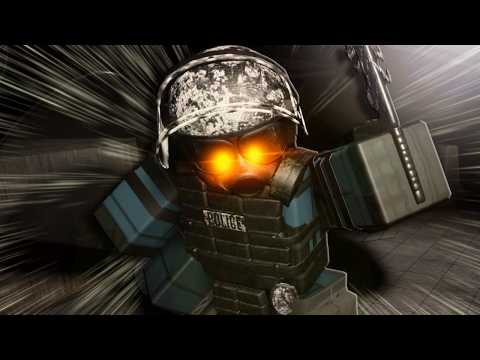
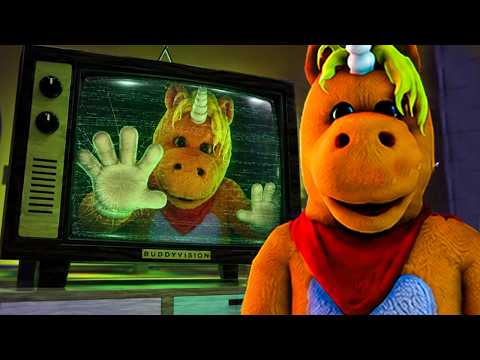
A quiet family home becomes a constantly shifting survival puzzle as every ordinary detail, from furniture placement to a sleeping figure in the room, becomes a possible warning sign. The game builds its tension around observation rather than constant action, forcing the player to question whether a small change is harmless decoration or evidence that something is deeply wrong.
The presentation succeeds by taking a simple anomaly-detection concept and adding a disturbing narrative layer. The repeated routine of checking rooms, deciding whether to leave, and trying to survive another day creates a strong sense of paranoia. Instead of relying entirely on jump scares, the experience encourages careful attention and rewards players who can remember small environmental details.
The commentary throughout the gameplay adds a lot of personality to the experience. The reactions to strange discoveries, failed attempts, and increasingly bizarre situations make the challenge entertaining even when the game slows down into repeated inspections. The humor also helps balance the unsettling atmosphere, keeping the video from becoming a straightforward horror walkthrough.
The game's strongest moments come from how it gradually expands the definition of an anomaly. Early changes are subtle, such as missing objects or altered surroundings, while later events introduce more obvious supernatural threats. That escalation creates a satisfying payoff, especially when the final discovery reframes what the player thought they understood about the situation.
However, the uncertainty that makes the game interesting can also make it frustrating. Some anomalies appear to depend on extremely specific observations, and the player spends a large amount of time second-guessing whether something is actually different. That design creates tension, but it can also make failures feel more like missed details than meaningful mistakes.
The video does a good job showing both the strengths and limitations of the experience. It highlights the creativity behind turning a familiar environment into a horror setting while also revealing how repetitive the search process can become. Viewers interested in psychological horror games or observation-based challenges will likely appreciate the concept more than those looking for a fast-paced scare experience.
As the mystery develops, the game becomes more than a simple checklist of visual differences. The ending introduces a darker interpretation of the events and gives the earlier gameplay a new context. While some story elements remain intentionally unclear, the final reveal helps elevate the experience beyond a basic anomaly-hunting challenge.
Pros
- Creates tension through careful observation and environmental changes rather than relying only on jump scares.
- Strong atmosphere turns an ordinary home setting into an unsettling horror environment.
- Entertaining commentary adds humor and personality during slower investigative sections.
- The final narrative twist gives additional meaning to the player's repeated searches.
Cons
- Some anomalies are extremely subtle, making failures feel frustrating rather than rewarding.
- The repeated room-checking process can become repetitive over a long play session.
- The story leaves some elements open to interpretation, which may not satisfy viewers wanting clearer explanations.
This is an entertaining showcase of how simple environmental changes can create an effective horror experience. Its biggest success is combining puzzle-like observation with an unsettling mystery that grows more interesting over time. Although the slow pace and demanding attention to detail may not appeal to everyone, it offers a creative take on survival horror.