A knife apparently launching from a kitchen drawer is exactly the kind of image that makes paranormal compilations irresistible, and the opening haunted-apartment sequence understands that appeal. Moving objects, a tap turning on, a coin shifting during a homemade spirit experiment and an ominous carved mask create a steady escalation rather than a single isolated scare. The narration is effective at building tension, although the apartment footage is still presented entirely through the uploader’s claims and recordings, leaving staging, unseen assistance and ordinary mechanical explanations unresolved.
The strongest editorial choice is the willingness to include cases that undermine the genre’s own assumptions. Gabriel Cartanyá’s impossible-looking reflection is eventually revealed as a deliberate edit, with the staged clip used to illustrate how convincing misinformation can be assembled from genuine pieces. The Mars image receives similarly useful scrutiny: the supposedly disappearing object was not photographed twice at all because the rover had changed its view, while the mysterious shape itself occupied only a handful of pixels. Those sections do more than frighten viewers; they demonstrate how framing, compression, editing and incomplete context can manufacture mystery.
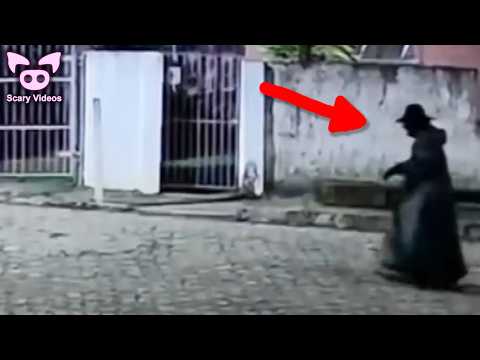
That skepticism is less consistent elsewhere. The Oxford Castle photograph gains much of its impact from an alleged resemblance to depictions of Empress Matilda and reports that the site is haunted, but resemblance and local ghost stories do not establish the identity of a shadowy figure. Likewise, the trail-camera humanoid and the church knocking and piano clips are compelling because they are visually or atmospherically strange, not because the presentation supplies enough information to rule out people, animals, equipment, manipulation or other mundane causes. Calling such material unexplained is fairer than treating it as paranormal evidence, but the narration occasionally leans toward the latter.
Several segments benefit from acknowledging plausible alternatives. The Ring footage explicitly raises lens flare, reflected light and an insect near the camera, even though it then treats the person-detection alert as especially puzzling. The Maine family photograph also receives an important caveat when the supposed missing-woman story is identified as unconfirmed. These moments improve credibility because the mystery is allowed to remain unresolved rather than being inflated into a definite supernatural conclusion.
The Weird News Roundup broadens the scope considerably, but it also produces the most uneven stretch. Reddit doppelganger accounts are anecdotal stories without independent verification, while the Indian school incident is more responsibly framed by mentioning mental stress as a possible explanation alongside supernatural rumors. The discussion of police consulting psychics appropriately notes that the resulting canal search found nothing, and the extraordinary alien-body and recovered-craft claims from Eric Davis and David Grusch are clearly identified as claims without the physical evidence needed to substantiate them. That distinction is essential given how extraordinary those assertions are.
The Australian “crisis actor” segment is particularly valuable because it resists converting a suspicious-looking coincidence into a conspiracy. Seeing the same man interviewed in separate local-news reports naturally invites questions, but the presentation explains both the mundane possibility of local reporters repeatedly finding willing interviewees and the damaging history of the “crisis actor” accusation. That context is more responsible than simply exploiting the resemblance for intrigue, especially when real people can become targets of harassment after such theories spread.
Falcon Lake provides a strong finale because it is treated as a genuinely complicated historical case rather than a clean extraterrestrial encounter. Stephen Michalak’s account, reported burns, government interest, site findings and surviving documentation give the story unusual depth, but the skeptical evidence is also substantial: questions about his drinking, missing prospecting equipment, delayed cooperation, likely radium contamination, suspicious metal evidence and later burn marks judged potentially self-inflicted. The presentation still leaves some elements rhetorically hanging as mysteries, yet its willingness to lay out evidence damaging to Michalak’s story makes this far more credible than a one-sided UFO retelling.
Pros
- The haunted-apartment opening builds tension through escalating incidents rather than relying on one ambiguous clip.
- The staged reflection reveal provides an unusually effective lesson in how convincing paranormal footage can be deliberately manufactured.
- The Mars segment directly checks a key viral claim and discovers that the supposed before-and-after images did not show the same location.
- Plausible mundane explanations are acknowledged in several cases instead of being completely excluded.
- The “crisis actor” discussion adds useful historical and ethical context rather than encouraging harassment-driven conspiracy thinking.
- The Falcon Lake finale presents significant skeptical evidence alongside the extraordinary UFO claims.
Cons
- Several social-media clips depend almost entirely on uploader testimony, with little information capable of excluding staging or unseen causes.
- Haunted-location lore and visual resemblance are sometimes used to strengthen paranormal interpretations more than the evidence warrants.
- The trail-camera, church and doppelganger stories receive less skeptical examination than the debunked reflection and Mars cases.
- The Weird News Roundup mixes reported events with unverified personal anecdotes, producing an inconsistent evidentiary standard.
- Some narration still uses unresolved details to imply paranormal significance after acknowledging that ordinary explanations remain possible.
The collection works best when its scares become starting points for investigation rather than proof of ghosts, aliens or other extraordinary phenomena. Strong debunking segments, responsible caveats and the unusually balanced Falcon Lake discussion give it more substance than a typical paranormal countdown, although skepticism is applied unevenly across the twelve mysteries.