Rather than simply mocking poorly written fan fiction, the presentation uses a pair of unofficial novels inspired by Obsession as a case study in what the host sees as the creative bankruptcy of fully AI-generated storytelling. The discussion combines plot summaries, page-by-page examples, and commentary on recurring writing habits to argue that the books misunderstand the source material while also demonstrating many of the weaknesses associated with unedited machine-generated prose. Although the tone is highly comedic and relentlessly hostile, the criticism is usually anchored in concrete examples from the books themselves.
Much of the review focuses on how the novels reshape the original film's premise. According to the host's description, psychological ambiguity and character-driven horror are replaced with explicit supernatural mythology involving sentient trees, magical dimensions, and increasingly elaborate lore. These observations are presented as interpretations of the books rather than established facts about the original film's intended universe, and the video repeatedly argues that these additions undermine the themes that made the movie effective. Even viewers unfamiliar with the source material can follow the reasoning because the presentation carefully explains how each narrative change alters the central conflict.
The strongest sections dissect the books' writing style through repeated quotations and structural observations. The host highlights repetitive sentence construction, awkward dialogue, inconsistent formatting, recurring catchphrases, excessive bullet-point lists, and repeated descriptive patterns, illustrating each criticism with multiple examples rather than relying on broad assertions. The cumulative effect supports the argument that the novels feel formulaic and insufficiently edited, making this portion of the critique far more persuasive than the broader insults directed at the author.
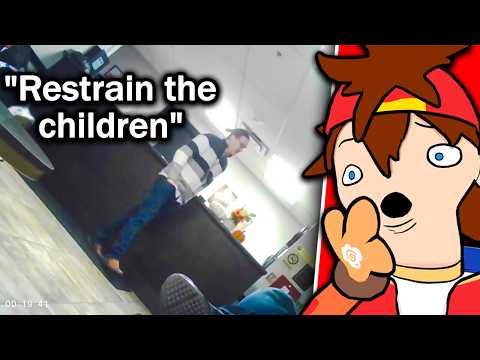
The discussion becomes particularly engaging when it examines apparent signs that AI-generated drafting material may have been left inside the published text, including what appears to be an instructional passage addressed to the writing model. If reproduced accurately, that discovery represents the video's most compelling piece of evidence because it directly supports the central claim about the books' production process. The host treats this moment as confirmation rather than speculation, and while viewers are not shown independent verification beyond the quoted passage, it is one of the few sections built around specific textual evidence instead of rhetorical exaggeration.
At the same time, the presentation often shifts from criticizing the work to attacking the creator personally. The repeated insults, sweeping statements about AI users, and speculation about the author's motives extend well beyond what the examples alone establish. Likewise, broader claims about the state of publishing and creative industries are framed as opinion rather than demonstrated through evidence within the video. These emotionally charged digressions are entertaining for audiences who already share the host's perspective, but they weaken the analytical credibility of an otherwise detailed critique.
The closing segment continues the video's theatrical style by physically destroying printed copies of the novels as a visual punchline. It is consistent with the irreverent tone established throughout, though it emphasizes performance over analysis during the final minutes. Even so, the review succeeds at demonstrating why the host finds the books ineffective, largely because it spends so much time examining specific passages rather than relying solely on ridicule. Whether viewers agree with the broader condemnation of AI-generated fiction, the presentation provides enough concrete examples for them to evaluate many of the criticisms independently.
Pros
- Supports many of its criticisms with extensive quotations and detailed examination of the books' prose, formatting, and narrative choices.
- Clearly explains how the fan novels differ from the themes and storytelling approach described in the original film.
- Maintains an energetic, humorous presentation that keeps an extended literary critique engaging.
- Highlights what appears to be strong textual evidence suggesting minimal editing of AI-generated material, making one of its central arguments especially compelling.
Cons
- Frequent personal insults and mockery often overshadow the stronger literary analysis.
- Broad conclusions about AI, publishing, and the author's motivations extend beyond what the examples in the video demonstrate.
- The relentless comedic tone occasionally becomes repetitive, especially when revisiting similar writing flaws across both novels.
- Some factual assertions about the books' creation process are treated as settled conclusions rather than carefully qualified interpretations based on the evidence presented.
This is an entertaining and often well-supported critique that is at its best when closely analyzing the novels' actual text instead of attacking their creator. The combination of detailed examples and sharp humor makes the review engaging, even if its broader conclusions sometimes outpace the evidence it presents. Those interested in discussions of AI-generated fiction will likely find it both amusing and thought-provoking.