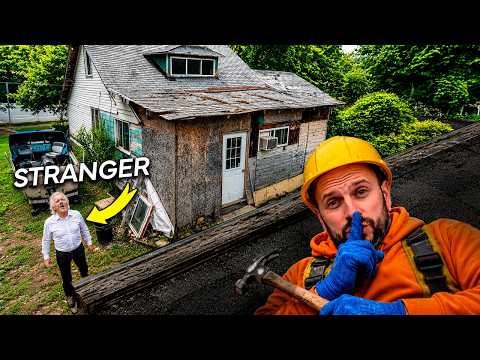
A neglected backyard became the starting point for a much larger mission when a homeowner’s simple request for yard cleanup revealed a deeper challenge: being unable to safely leave her own home. The episode follows Sean’s effort to restore an overgrown property, but the emotional focus quickly shifts toward helping Miss Faye regain access to the outdoors after years of being confined inside.
The cleanup portion provides a satisfying visual transformation. Overgrown plants, weeds, ivy, and debris are gradually removed, with the work shown in a clear progression that makes the improvement easy to appreciate. The attention to practical details, such as checking for hazards, trimming problem areas, and making decisions around what could realistically be improved, helps the project feel grounded rather than simply focused on dramatic before-and-after moments.
What makes the story more impactful is the discovery that the yard was only part of the problem. Miss Faye’s difficulty leaving the house because of her wheelchair situation becomes the central issue, and the decision to pursue a ramp and wheelchair changes the scope of the project. The episode presents this as a personal act of kindness rather than a simple renovation, emphasizing the emotional importance of independence and access to fresh air.
The ramp installation portion adds another layer of interest because it shows the challenges of creating a safe solution. Sean discusses the importance of getting the slope correct and adjusts the setup after realizing the first wheelchair arrangement was not ideal. That willingness to recognize problems and make changes improves the credibility of the project, although viewers are largely relying on his explanations rather than detailed technical guidance.
The strongest moments come from Miss Faye’s reaction to finally getting outside. Her hesitation, excitement, and eventual trip down the ramp provide a genuinely moving conclusion to the story. The episode effectively shows how a relatively small physical improvement can have a much larger emotional impact on someone’s daily life.
The presentation does occasionally lean heavily into the creator’s personal emotions and repeated expressions of gratitude toward the audience. While this reinforces the community-driven nature of the work, some sections could be tighter by focusing more on the process, accessibility considerations, and the practical challenges involved. The inclusion of a lengthy unrelated product promotion also interrupts the flow of an otherwise focused story.
Overall, the episode succeeds because it combines a familiar cleanup format with a meaningful human story. It does not provide a detailed guide to accessibility modifications or independently verify every aspect of the installation, but it delivers a sincere account of how compassion, effort, and community support can create a meaningful change in someone’s life.
Pros
- Shows a genuine and emotionally impactful transformation that goes beyond improving a property.
- Highlights the importance of accessibility and independence for people with mobility challenges.
- Includes realistic moments where adjustments are made rather than presenting the project as effortless.
- Creates a strong connection with Miss Faye’s personal experience and reaction.
Cons
- The emotional commentary sometimes overshadows the practical details of the yard work and ramp installation.
- Accessibility and construction decisions are explained at a general level rather than with extensive technical information.
- The unrelated sponsor segment disrupts the pacing of the main story.
A touching episode built around generosity, patience, and restoring a sense of freedom for someone who had been isolated at home. Its greatest strength is the genuine human connection at the center of the project, though a more focused presentation of the technical work would make the transformation even stronger.