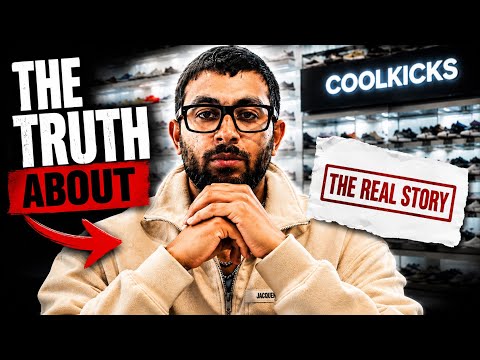
Flying to Las Vegas with two younger brothers, a bag of props, and an ambitious plan immediately gives the production a larger scale than the creator’s earlier casual talk might suggest. He frames the project as a major step up, repeatedly emphasizing his desire to make the music video look as polished and energetic as possible. Claims that the song is outperforming his previous Rivals release and receiving overwhelmingly positive reactions establish his excitement, but those figures and comments are presented from his own perspective rather than independently examined. More importantly, the behind-the-scenes material eventually demonstrates that substantial effort really did go into the visual production.
The journey to the shoot is deliberately loose and personality-driven. Airport rushing, jokes with his brothers, teasing over luggage, and an extended visit to Kay’s house turn the first portion into something closer to a travel vlog than a focused production documentary. Their banter has an easy familiarity that should appeal to viewers already invested in the group, and Kay’s guest setup provides some amusing material. At the same time, repeated jokes about smells, sleeping arrangements, appearances, and other minor details delay the more interesting filmmaking material considerably.
Once the group reaches the studio, the episode becomes much more informative. The creator appears genuinely surprised by the scale of the setup, describing large lights, multiple backgrounds, ladders, audio work, set construction, and a crew of roughly ten people handling different responsibilities. Seeing how little of that infrastructure he personally brought with him helps illustrate the difference between appearing in a music video and executing the technical production around it. His acknowledgement that the production team prepared much of the environment before he arrived also gives appropriate credit to work that could easily have remained invisible.
Nosy’s appearance produces one of the clearest examples of how a simple finished shot can require considerable repetition. His entrance, AirPods placement, head movement, framing, shirt visibility, lighting, and positioning are adjusted repeatedly while the team watches the results on a monitor. The creator initially expects the material to take only minutes, then recognizes why the crew keeps refining it. That shift from casual expectation to appreciation for precise staging is among the most worthwhile elements because viewers get an understandable example of how tiny visual decisions accumulate into a polished result.
The creator’s own sequences expand that lesson with different lighting configurations, stationary and moving camera work, a dolly circling his body, and changes between dark and white backgrounds. He also explains that several hours of shooting and setup are compressed into relatively short stretches of footage, including the time required to perfect lighting and audio for different shots. Props, choreography-like movements, close-ups, and the decision to include cameras within the final composition further show that the finished aesthetic was being constructed shot by shot rather than simply captured through continuous performance.
The presentation remains extremely repetitive, however, with phrases such as “sick,” “crazy,” “aura,” and assurances that everything will look “insane” substituting for more detailed explanation at many points. Some production decisions are described clearly, but there is comparatively little discussion of planning, budgeting, editing, shot selection, directing, or how the recorded material was eventually assembled into the finished music video. Even so, the studio portion delivers enough genuine process to justify the premise, and the creator’s visible enthusiasm makes the long day feel celebratory rather than clinical. It is strongest when it lets the crew’s careful adjustments demonstrate the effort for themselves instead of repeatedly insisting on how impressive the outcome will be.
Pros
- The studio footage clearly shows how lighting, framing, blocking, camera movement, backgrounds, and props contribute to individual shots.
- Nosy’s repeatedly refined entrance provides a useful illustration of how much precision can go into a seemingly simple moment.
- The creator gives meaningful credit to the production team and acknowledges how much preparation happened before he arrived.
- Different sets, lighting configurations, close-ups, and dolly movement provide genuine variety in the filmmaking process.
- Natural banter with friends and family keeps the lengthy production day energetic and personable.
Cons
- The lengthy travel and house-visit material postpones the genuinely informative production content.
- Repeated slang and declarations that shots look “crazy,” “sick,” or “insane” often replace more specific filmmaking commentary.
- Several running jokes and minor tangents are stretched well beyond their usefulness.
- The episode offers relatively little insight into pre-production, editing, budgeting, directing decisions, or the eventual assembly of the finished music video.
- Early claims about exceptional reception and comparative performance are presented enthusiastically rather than explored in depth.
The studio material turns an energetic personality vlog into a worthwhile glimpse at the precision hidden behind a polished music shoot. Excessive repetition and extended tangents keep it from becoming a particularly deep filmmaking breakdown, but the lighting adjustments, repeated takes, set changes, and camera work provide enough genuine process to make the finished production feel earned.