Bringing back the screaming gimmick is treated like a major event, with the prankster enthusiastically announcing its return, recruiting a supposed backup screamer, and even comparing the comeback to LeBron returning to Cleveland. That exaggerated self-importance immediately establishes the tone: the actual prank is deliberately simple, while much of the comedy comes from pretending that yelling inside retail stores is a culturally significant achievement.
The central routine remains straightforward. A loud scream erupts, the prankster immediately acts confused, and nearby shoppers or employees are questioned about where the noise came from. He repeatedly tries to redirect suspicion toward strangers, sometimes constructing increasingly ridiculous investigations in which everyone nearby is treated as a possible culprit. Those improvised exchanges are generally funnier than the scream itself because reactions vary from confused cooperation to obvious disbelief.
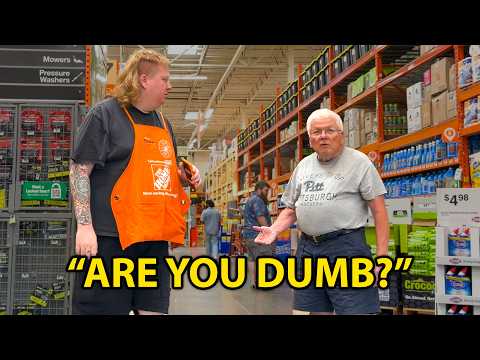
Employees provide most of the meaningful escalation. Store workers quickly recognize that filming and disruptive behavior are occurring, issue warnings, demand that the group leave, and eventually threaten to involve police. Instead of simply ending the bit, the pranksters keep arguing technicalities, denying obvious behavior, joking about the camera, and pretending that identifying the mysterious screamer should be the store's greater concern. The persistence produces entertaining confrontations, but it also makes several encounters feel less like harmless misdirection and more like deliberately prolonging situations after employees have clearly asked them to stop.
The police encounter becomes the strongest sustained section because it temporarily replaces repetitive screaming with an unpredictable conversation. One officer calmly explains that filming strangers can make people uncomfortable and distinguishes pranking friends from involving unsuspecting members of the public. The prankster listens, jokes with him, promotes his music, and even plays a song, producing an unexpectedly relaxed interaction after all the warnings about police involvement. A second officer is received less enthusiastically, but the sequence overall provides a useful contrast between the pranksters' exaggerated fear of law enforcement and the relatively measured response they actually encounter.
Moving to another store gives the concept a partial reset, although the structure changes very little. Another scream leads to more fake concern, questions about whether someone needs help, attempts to locate the supposed source, and eventually another employee identifying the group as responsible. The prankster's willingness to immediately concede when the employee becomes firm prevents the confrontation from becoming especially ugly, and joking comparisons to Freddie Benson help defuse the exchange.
Presentation is intentionally chaotic, with constant profanity, exaggerated narration, recurring prison jokes, promotional interruptions, rapid arguments between the prankster and Johnny, and frequent acknowledgement that the entire activity is absurd. That self-awareness helps considerably; lines about being grown men hiding beneath store fixtures or needing to get jobs keep the production from pretending the premise is more sophisticated than it is. At the same time, the repeated subscriber giveaway promotion, music promotion, running police jokes, and variations of the same scream-denial routine stretch a thin concept noticeably beyond its strongest material.
Pros
- Blaming increasingly unlikely strangers for the screams creates several entertaining improvised interactions.
- Employee confrontations give the simple prank genuine escalation and unpredictability.
- The police conversation provides the most distinctive sequence, especially because the officer responds calmly and engages with the prankster's jokes and music.
- Frequent self-deprecating remarks acknowledge how ridiculous the premise is and strengthen the comedy.
- The prankster generally backs down once employees firmly insist that the group leave.
Cons
- The scream-and-denial formula becomes repetitive quickly because later attempts follow almost exactly the same structure.
- Continuing to argue and film after employees express discomfort pushes some encounters beyond playful disruption.
- Subscriber giveaways, music promotion, and unrelated banter repeatedly interrupt the prank's momentum.
- The recurring prison and police jokes are heavily repeated without much variation.
- Much of the video's entertainment depends on confrontations caused by disrupting workers and unsuspecting shoppers rather than clever development of the original premise.
The screaming itself is barely substantial enough to carry a full prank, but improvised accusations, irritated employees, police involvement, and the prankster's willingness to mock his own behavior provide considerably more entertainment around it. A tighter edit and less repetition would improve the comedy, while greater respect for employees trying to manage their stores would make the confrontations easier to enjoy.