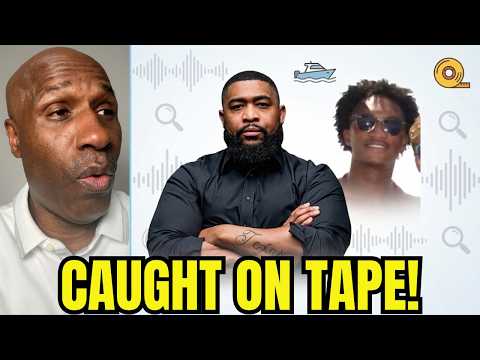
Adrian Vickers offers to retrieve the registration for the Lexus he bought less than three weeks earlier. A Tampa officer says the car comes back as unregistered, and one of Vickers’ two sons records an encounter that eventually includes repeated threats of jail. The dispute is easy to follow even as the conversation gets heated. Vickers says he has paperwork and has received a tag in the mail, while the officers never clearly explain what they believe is missing or invalid.
The first legal segment makes a useful distinction between asking a passenger for identification and compelling them to provide it. The narrator traces how different federal courts have approached that distinction, then explains why a ruling from another circuit leaves the question unsettled in Florida’s federal circuit. The case names come quickly, but the discussion stays anchored to what Vickers objects to at the roadside. His sons are passengers, and the officer’s assertion that he can ask for their IDs leaves room for a separate question about what he could require.
The discussion of the jail threat is similarly careful about its premise. The narrator cites Florida’s registration provisions and a Supreme Court decision on arrests for minor offenses, then makes clear that the application to Vickers depends on facts the footage leaves unresolved. The title’s joke about buying a Lexus oversells a legal analysis that takes the alleged registration violation seriously. The account also gives the officer’s allegation that Vickers ran a red light comparatively little attention, even though it adds another disputed explanation for the stop.
The recording is more conclusive about how the officers speak to Vickers. One officer brings up the prospect of his sons having to be picked up and the costs of getting his car back, then tells him to lose the attitude. Vickers contributes to the hostility by repeatedly calling the officers gang members, a choice the narrator addresses when grading his conduct. Letting viewers hear both sides makes that assessment more persuasive, although a lengthy headphone promotion breaks up the exchange just as the competing accounts of the driving are taking shape.
The aftermath adds facts and further questions. Vickers said the dealership confirmed the registration was valid, and the video reports that the department canceled the citation and opened an internal investigation whose findings were unavailable when the episode was prepared. It also attributes the allegation of racial profiling to Vickers and identifies the local NAACP branch’s concerns about the stop. The explanation of an objectively reasonable mistake is especially valuable here because it shows how the status of the registration and the information available to the officers could matter in different ways.
The closing grades make sense as judgments about conduct. The criticism of the officers is grounded in how readily they use the prospect of jail to end an argument they have done little to clarify, and Vickers’ A-minus acknowledges both his cooperation and his inflammatory remarks. The narration is less disciplined when it reads the canceled citation and the opening of an investigation as signs that the department had already recognized misconduct. The department’s actions establish that the citation was withdrawn and the conduct would be examined, while its reasons and findings remain unclear.
Pros
- The recorded exchanges allow viewers to assess the tone and escalation for themselves.
- The passenger identification segment explains why asking for an ID and requiring one raise different legal questions.
- The discussion of arrest authority keeps the jail threat tied to the disputed registration.
- The explanation of reasonable mistakes clarifies why the information available to the officers matters to the legality of the stop.
- The grades account for Vickers’ cooperation as well as the remarks that added to the hostility.
Cons
- The title turns a disputed registration into a broader claim about buying a car.
- The red-light allegation receives limited analysis despite its relevance to why the officers pulled Vickers over.
- The extended sponsor break interrupts the exchange as the driver and officers give competing accounts of what happened.
- The closing commentary infers departmental recognition of misconduct from actions whose underlying reasons remain unclear.
The review of the stop is most convincing when the recorded conversation supplies the evidence and the legal narration explains where it runs out. That distinction gives the episode substance and makes its criticism of the officers’ conduct more persuasive than its reading of the department’s response.