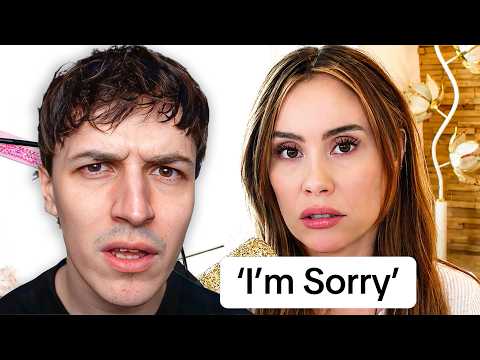
D.L. Hughley’s barrage of insults against Brandon Tatum supplies the undeniable centerpiece here, with Willie D repeatedly stopping to react to the sheer creativity and relentlessness of the roasting. Hughley mocks Tatum’s appearance, body shape and lawsuit threat while making clear that he has no intention of being intimidated into silence. As comedy, the sequence has momentum because the insults continually escalate rather than simply recycling the same punchline, and Willie D’s obvious amusement reinforces the sense that viewers are watching a particularly vicious roast rather than a measured dispute.
Once Willie D takes over, however, the segment becomes considerably more personal and political. He characterizes Tatum as a liar, hypocrite and someone who attacks others before presenting himself as a victim, while also making broader accusations about Tatum’s attitudes toward Black people and establishment figures. These are Willie D’s judgments rather than independently demonstrated conclusions within the segment. The commentary would be more persuasive if it spent more time identifying the specific statements underlying the dispute instead of leaning so heavily on insults about Tatum’s character, motives and identity.
The discussion becomes more substantive when Willie D distinguishes insulting someone from making a defamatory factual assertion. That distinction is broadly important: defamation generally concerns false statements purporting to be facts, while pure opinion is generally protected, although simply labeling something an opinion does not automatically make it non-actionable. The segment therefore has a legitimate legal issue to explore beneath all the hostility, particularly when it asks what allegedly false statement would actually form the basis of a lawsuit.
Willie D is also broadly correct that public-figure status can impose a heightened constitutional burden in American defamation law. Public figures generally must establish “actual malice,” meaning knowledge of falsity or reckless disregard for truth, and that status is itself a legal determination rather than something a commentator can conclusively assign. His explanation becomes misleading, though, when he suggests that an unintentionally false statement is effectively safe merely because it lacked malice. The applicable fault standard depends on matters including the plaintiff’s status and the circumstances of the speech, so the legal analysis requires more qualification than the presentation provides.
More problematic is the claim that a person must first be given an opportunity to correct false information before a defamation action can proceed. No support is supplied for presenting that as a general prerequisite, and the basic elements of defamation described by Cornell’s Legal Information Institute do not establish such a universal rule. The asserted 10 percent success rate for defamation or libel lawsuits is likewise offered without a source, jurisdiction, dataset or explanation of what counts as “success.” Those confident numerical and procedural claims weaken what could otherwise have been a useful explanation of why threatening litigation and actually proving defamation are different things.
Presentation-wise, the contrast is stark. Hughley’s roast is fast, memorable and purpose-built as entertainment, while Willie D’s reaction maintains that energy through an informal, confrontational delivery. But the same style works against the later legal discussion: personal attacks repeatedly interrupt the argument, allegations surrounding Nolan Wells are invoked without enough context to evaluate them, and speculation about counterclaims, discovery and Tatum’s chances is delivered with more certainty than the information presented can justify. The result succeeds much better as combative commentary on an online feud than as reliable guidance to American defamation law.
Pros
- Hughley’s extended roast is energetic, inventive and delivered with enough variety to make the comedy segment memorable.
- Willie D identifies the meaningful distinction between insulting commentary and potentially defamatory factual assertions.
- The discussion correctly recognizes that public-figure status can bring the demanding actual-malice standard into a defamation case.
- Asking which specific allegedly false statements would support the threatened lawsuit points toward the central factual question rather than treating a legal threat as proof of wrongdoing.
Cons
- Personal and political attacks on Tatum frequently substitute for demonstrating the underlying allegations against him.
- The claim that false reporting must first be given an opportunity for correction is presented as a general legal requirement without adequate support.
- The stated 10 percent success rate for defamation cases is unsupported and lacks the context necessary to evaluate it.
- The explanation of actual malice oversimplifies how defamation standards depend on plaintiff status, the nature of the statements and applicable law.
- References to the Nolan Wells controversy assume substantial background knowledge and do not provide enough evidence here to assess the accusations being made.
Hughley’s merciless comedy gives the segment its entertainment value, while Willie D finds a worthwhile issue in the difference between harsh criticism and legally actionable defamation. The commentary becomes much less dependable when legal principles are simplified and unsupported procedural and statistical claims are stated with confidence. It works as an aggressive reaction to a public feud, but viewers should not treat its legal analysis as authoritative.