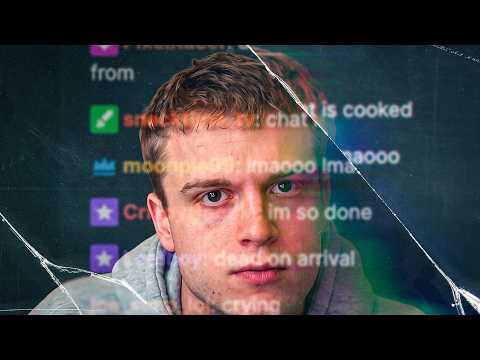
The responsibility of handling vulnerable viewers has become one of the most complicated challenges facing online creators, and this exploration focuses on the difficult balance between compassion and personal limits. Rather than portraying mental health support as a simple act of kindness, the discussion examines how repeated exposure to desperate messages can affect a streamer while also highlighting the genuine desire to help people who reach out during their darkest moments.
A major strength of the presentation is its willingness to explore the uncomfortable reality of online communities. The creator describes the conflict between wanting to respond to people expressing suicidal thoughts and recognizing that a streamer cannot become a substitute for professional support. The discussion about setting boundaries, redirecting viewers toward proper resources, and avoiding unhealthy personal dependence provides a nuanced perspective on a problem many internet personalities face.
The conversation also provides an interesting look at how online fame can develop and change a person's relationship with their audience. The journey from making short-form content to building a large streaming presence is presented alongside the psychological challenges that came with sudden attention. The discussion about ego, personal growth, and learning from past mistakes adds a reflective element that goes beyond simply recounting career milestones.
The examination of parasocial relationships is one of the most valuable parts of the piece. It effectively explains how viewers can feel a sense of friendship with creators they regularly watch, while the creator may have no personal connection with them. The examples used illustrate why maintaining a healthy distance can be difficult, especially when audiences expect emotional support from someone whose role is primarily entertainment.
The video also handles the subject of fake or exaggerated mental health claims with some complexity. It acknowledges that some people may misuse serious topics for attention while emphasizing that creators still have to approach every potential crisis carefully. That tension is presented as a genuine dilemma rather than an easy problem with a simple solution.
Where the discussion is less effective is that some conclusions rely heavily on personal experiences rather than broader evidence about mental health, online behavior, or crisis intervention. Personal stories are important for understanding the emotional impact of these situations, but they do not necessarily represent how common certain behaviors are among online communities. The focus remains primarily on one creator's perspective rather than a wider examination of the issue.
The production succeeds most when it allows the emotional contradictions to exist without forcing a simple answer. Helping others can be meaningful and rewarding, but it can also create pressure, exhaustion, and unrealistic expectations. The overall message is strongest when it emphasizes that compassion and boundaries need to exist together.
Pros
- Provides a thoughtful examination of the challenges creators face when viewers seek emotional support.
- Explains parasocial relationships and creator-audience boundaries in an accessible way.
- Balances personal experiences with a broader discussion about online responsibility.
- Highlights the importance of directing serious mental health concerns toward appropriate support.
Cons
- Relies mostly on personal perspective rather than outside research or expert viewpoints.
- Some claims about viewer behavior are difficult to verify beyond individual experiences.
- The long discussion occasionally repeats similar points about boundaries and emotional pressure.
This is a reflective exploration of the complicated relationship between online creators and the audiences that depend on them. While it is limited by its personal perspective, it offers a valuable discussion about compassion, responsibility, and the importance of maintaining healthy boundaries in digital communities.