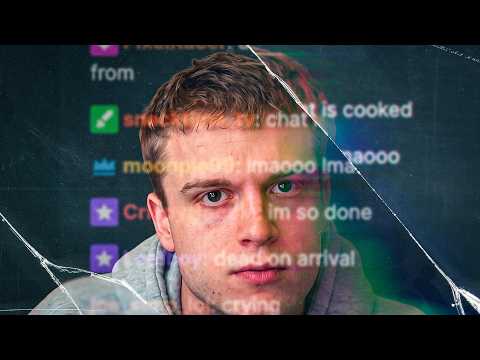
The video examines how a simple childhood milestone has been transformed into a highly curated online experience filled with decorations, product recommendations, and elaborate rituals. Rather than dismissing parents who participate in these trends, the discussion focuses on how good intentions can become connected to consumer pressure, making ordinary moments feel incomplete without extra purchases.
One of the video's strongest qualities is that it approaches the subject with empathy instead of turning the issue into a criticism of individual families. The argument is not that parents are wrong for wanting to create meaningful memories, but that social media and marketing can reshape those desires into expectations. This distinction gives the discussion a more thoughtful foundation than a simple complaint about modern parenting habits.
The presentation explores how influencers, affiliate marketing, and social media algorithms contribute to the spread of these trends. The video argues that repeated exposure to highly polished content can make uncommon behaviors appear normal, encouraging viewers to believe they need certain products or traditions to create special experiences. While these ideas are presented persuasively, some of the psychological explanations are used broadly and would benefit from more specific context about the limits of applying research concepts to everyday online behavior.
The discussion is especially effective when examining the difference between authentic recommendations and commercial influence. The creator acknowledges that many people sharing these ideas genuinely believe they are helping other parents, while also recognizing that monetization can blur the line between advice and advertising. This balanced perspective avoids reducing all creators to simply being salespeople and instead looks at the larger system surrounding online content.
Another notable strength is the focus on the hidden costs beyond money. The video points out that every new tradition or product can create additional responsibilities, from organizing supplies to storing decorations and managing more household clutter. This expands the conversation beyond spending habits and connects it to the broader question of how much effort people feel pressured to invest in creating “perfect” moments.
The environmental argument adds another layer, though it is one of the less developed sections. The video connects disposable decorations and short-lived purchases to wider concerns about waste and consumption, but the broader statistics mentioned do not directly prove how much of that impact comes from back-to-school trends specifically. The point works best as a reflection on disposable culture rather than as a precise measurement of this particular category.
The overall production is built around a conversational style that makes the topic accessible. The creator combines personal reflection, examples from online culture, and broader social observations to create a discussion that feels more like a thoughtful essay than a simple reaction video. However, viewers who already agree with the message may find some arguments reinforce familiar concerns without offering as much exploration of the opposing perspective, such as the value some families find in creating elaborate traditions.
Pros
- Approaches parenting trends with empathy rather than blaming individual parents.
- Provides a thoughtful examination of how social media influences perceptions of what is “normal.”
- Explains the relationship between marketing, influencer recommendations, and consumer behavior.
- Expands the discussion beyond spending to include time, effort, and household clutter.
Cons
- Some psychological concepts are applied broadly without enough detail about their limitations.
- Environmental concerns are relevant but not specifically tied to the scale of back-to-school products.
- The argument could spend more time exploring why some families genuinely enjoy these traditions.
This is a thoughtful critique of how online culture can turn meaningful experiences into opportunities for constant consumption. Its strongest moments come from recognizing that the desire to create memories is genuine while questioning whether more products are actually needed to achieve that goal. Although some claims could use more nuance and evidence, the video offers a valuable reminder to separate personal meaning from social media expectations.