An apparent altercation involving Dumi provides an unusually immediate opening, with the hosts calling him to clarify what happened after another man reportedly pushed or struck him during a night out. Dumi describes being tired, trying to leave with a friend and becoming caught in confusion involving remarks supposedly made about someone else's girlfriend. The firsthand phone call gives the discussion more substance than simple gossip, although the hosts' repeated insistence that he should have fought back turns an ambiguous confrontation into macho comedy rather than examining why avoiding escalation may have been the wiser response.
The Married at First Sight discussion raises a more interesting question about the credibility of reality television. According to the hosts' account, a participant was customarily married despite the program supposedly requiring contestants to be unmarried, while his alleged existing wife had herself auditioned and later posted accusations about him online. Much of this material is presented as allegation and rumor rather than verified fact, and the conversation appropriately contains some uncertainty about what actually happened. The broader observation is stronger: once participants view reality television primarily as a route to visibility, the supposedly authentic social experiment becomes difficult for audiences to trust.
Learnmore Jonasi's dispute with Lebo M becomes one of the clearest stories because the hosts explain both the underlying disagreement and their interpretation of the dismissal. They describe the conflict as originating in Jonasi's humorous translation of lyrics associated with The Lion King and say Lebo M sought substantial damages, while Jonasi can now pursue recovery of legal costs. Their argument that lyrical translation can depend on literal, figurative and cultural meaning provides useful context, and they regard the lawsuit as excessively heavy-handed. Still, the legal discussion would benefit from more precision about the court's actual reasoning rather than relying largely on the hosts' characterization that artistic meaning is subjective.
Lamiez Holworthy's reported emergency surgery shifts the conversation into substantially more serious territory. The hosts say an ovarian cyst ruptured and that she was subsequently diagnosed with severe endometriosis, before expanding into cysts, Pap smears, prostate examinations and colorectal screening. Encouraging viewers to take preventive health seriously is worthwhile, particularly when the discussion challenges men's reluctance to seek medical care. Unfortunately, numerous anatomical and screening claims are improvised, guessed at or corrected on the fly, making this a poor section to treat as reliable medical guidance despite its positive underlying message.
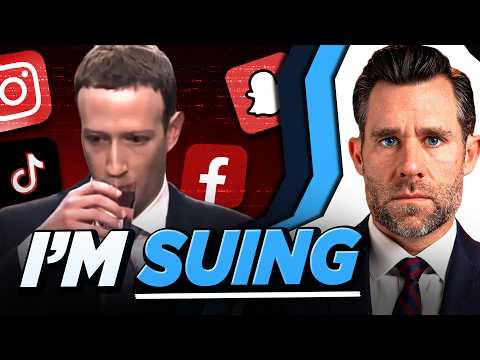
That looseness with evidence continues when the conversation turns to social media, mental health and seasonal patterns in suicide and psychiatric difficulties. A news clip about allegations that Meta's platforms were intentionally designed to addict young users gives the hosts a meaningful starting point for discussing children's screen habits, and the personal examples about limiting children's phone use make the issue relatable. However, the subsequent discussion of suicide seasonality moves quickly from searched information into speculative explanations, and jokes appear at particularly unfortunate moments. The hosts eventually explicitly discourage suicide and emphasize mental-health care, but the tonal swings diminish the seriousness and clarity the subject deserves.
Elsewhere, the program operates more successfully as a loose entertainment roundtable. Hugh Masekela's son's account of his father's long struggle with addiction leads to discussion of a strained parent-child relationship; a photograph allegedly showing one host with Kat Matlala's future wife becomes an extended piece of personal nostalgia; and criticism of Johannesburg's mayor expands into frustration about infrastructure and public accountability. A Glenlivet Women's Month campaign also prompts a reasonable discussion about whether an alcohol advertisement was appropriately aligned with the historical significance of Women's Day. Across these stories, the chemistry is lively and spontaneous, but substantiated reporting, personal recollection, online rumor and joking speculation regularly occupy the same conversational space without enough separation.
Pros
- Dumi's direct account of the altercation provides more useful context than simply repeating secondhand gossip.
- The Married at First Sight segment develops a worthwhile broader critique of fame-seeking participants undermining reality television's claims to authenticity.
- Explains the basic Lebo M–Learnmore Jonasi dispute clearly enough to make the hosts' criticism of the lawsuit understandable.
- Personal discussions about children's phone use add practical perspective to the broader concern about addictive social-media habits.
- The hosts have energetic chemistry and can move naturally between entertainment news, personal anecdotes and social commentary.
Cons
- Rumors, allegations, firsthand accounts and established information are not always distinguished clearly enough from one another.
- Medical discussion surrounding endometriosis, Pap smears, prostate checks and colorectal screening contains substantial guessing and should not be treated as dependable health guidance.
- Suicide and mental-health seasonality are handled with an uncomfortable mixture of potentially meaningful information, speculation and jokes.
- Pressuring Dumi over not retaliating physically treats escalation as preferable to restraint and weakens an otherwise informative firsthand account.
- The sprawling collection of unrelated stories produces uneven pacing, with extended tangents frequently overwhelming the strongest topics.
The strongest stretches combine the hosts' natural chemistry with stories substantial enough to support genuine discussion, particularly around reality television, the Jonasi dispute and children's relationship with social media. Its entertainment value is considerable, but loose sourcing, speculative medical commentary and poorly judged humor around serious mental-health subjects make the program far less dependable whenever the conversation moves beyond celebrity and cultural commentary.