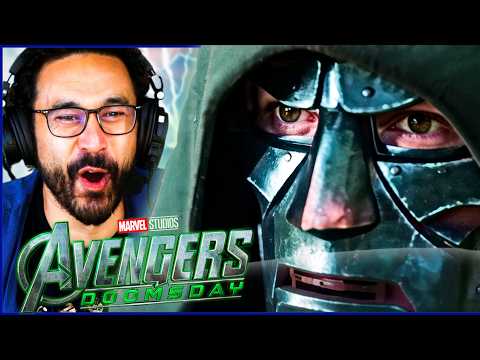
Jeremy Jahns comes to the teaser with the right expectation: this is not supposed to explain Avengers: Doomsday, but to establish scale, reintroduce familiar faces, and make Doctor Doom feel like a threat worthy of assembling Marvel’s enormous roster. He thinks it accomplishes that efficiently, particularly through Thor’s warning, glimpses of the X-Men, Doom’s imposing presence, and the confrontation involving Stormbreaker. His enthusiasm is tempered by a recurring concern that the movie could mistake recognizable characters and nostalgia for a satisfying Avengers story, giving the reaction more substance than a straightforward celebration of new footage.
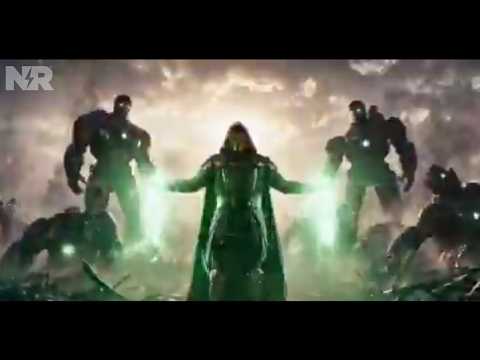
Doom is understandably the centerpiece even though the trailer apparently avoids giving him a clean showcase. Jahns appreciates that restraint, noting that viewers see enough to understand his appearance without feeling as though the teaser has already exhausted the reveal. The shot of Doom’s eyes through the mask particularly works for him because it evokes the character’s iconic imagery, while the confrontation with Thor immediately communicates power. His recollection of how the same encounter appeared in the earlier CinemaCon footage is less certain, and he openly acknowledges that his memory may be imperfect rather than presenting those differences as definitive changes.
The appearance of the X-Men produces exactly the kind of excitement the teaser seems designed to generate, but it also leads to the reaction’s most important reservation. Jahns enjoyed what Deadpool & Wolverine accomplished as a Deadpool movie, yet he does not want Doomsday to become another extended exercise in nostalgia. With so many characters apparently involved, he worries that the film could prioritize appearances and audience recognition over a strong story centered on Doom and the Avengers. The teaser temporarily quiets that concern through spectacle, but it cannot answer whether such an enormous ensemble will receive meaningful roles.
Steve Rogers illustrates a different problem: audiences may already know too much. Jahns argues that Mjolnir flying into Steve’s hand could have been a much stronger reveal had related footage not already circulated through bootlegs and other promotional exposure. That observation expands into a broader frustration with the modern information cycle surrounding major franchise movies, where leaks, headlines, casting reports, rumored interactions, and constant online coverage can reveal surprises long before audiences reach the theater. His concern is less about this particular teaser spoiling the movie than about the surrounding ecosystem gradually doing so.
That criticism is persuasive because Jahns distinguishes between information viewers deliberately seek and material that appears almost incidentally while scrolling. He worries that headlines alone may reveal which characters meet, who fights whom, and other details he would rather discover while watching the film. His call for people to stop chasing every leak reflects a reasonable desire to preserve some mystery around a movie built partly on unexpected character combinations. The irony is that the reaction itself discusses previously leaked or bootleg footage, showing how difficult it has become to comment on a production this heavily scrutinized without participating in the same information environment.
The detour into Infinity Vision is more contentious. Jahns describes the newly promoted format as essentially a quality standard for large, bright screens, capable projection, and good sound, then dismisses it as existing technology receiving a new logo and potentially a higher ticket price. The skepticism is entertaining and consistent with his conversational style, but the explanation is asserted without enough supporting detail here to evaluate exactly what the format requires or how meaningfully it differs from other premium presentations. The additional jokes about IMAX and Seattle push the segment further from the trailer itself without adding much to the central discussion.
As a reaction, the video works because Jahns does not try to manufacture a detailed theory from a teaser that offers limited narrative information. He likes Doom’s presentation, enjoys seeing familiar characters, appreciates the trailer’s sense of danger, and believes it fulfills the basic job of making audiences interested in the larger confrontation. His humor keeps the discussion loose, from Three Stooges references and dad jokes to Ant-Man’s ants, although several tangents make the commentary feel more scattered than focused. The strongest takeaway is ultimately not a prediction about the movie but a hope that Marvel preserves enough surprises—and enough actual storytelling—to make the enormous collection of characters matter.
Pros
- Jahns evaluates the teaser according to what it is trying to accomplish rather than demanding extensive plot information from early promotional footage.
- Doctor Doom’s limited exposure and confrontation with Thor provide a convincing basis for discussing how the teaser establishes its central threat.
- Concern about the enormous ensemble and excessive nostalgia introduces useful skepticism alongside the excitement over returning characters.
- Jahns openly qualifies his uncertain memory of the earlier CinemaCon footage instead of presenting recollection as fact.
- The discussion of leaks and revealing headlines identifies a genuine tension between following major franchise news and preserving surprises for the finished movie.
Cons
- The Infinity Vision section makes broad claims about the format and potential pricing without providing enough information within the video to substantiate the criticism fully.
- References to earlier leaked and bootleg footage somewhat complicate the later complaint that too much Doomsday information circulates before release.
- Tangents involving Seattle, IMAX, dad jokes, and other side commentary occasionally pull attention away from the actual teaser.
- The reaction raises the important concern that nostalgia could overwhelm the story but cannot explore it deeply because the teaser reveals so little about the film’s narrative.
Jahns finds enough in Doom, Thor, Steve Rogers, and the returning X-Men to call the teaser effective while keeping his larger enthusiasm conditional on Marvel delivering more than a parade of familiar faces. The reaction occasionally wanders and its premium-format criticism needs more support, but its skepticism about ensemble overload and relentless pre-release leaks gives the excitement a useful counterweight.