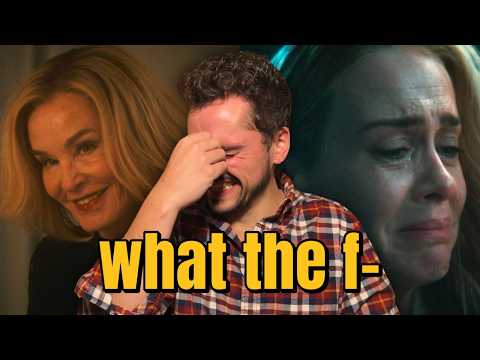
Stolas and Octavia's troubled relationship takes center stage in a passionate examination of Helluva Boss, with the reviewer questioning whether the series has earned one of its most significant emotional reconciliations. Although the latest episodes deliver dramatic confrontations, heartfelt musical performances, and frightening moments involving Blitz and Loona, the central criticism concerns how quickly the story resolves conflicts that have developed over an extended period. The reviewer acknowledges the emotional appeal of these developments while arguing that compelling character drama requires more than powerful individual scenes. This balance between genuine enthusiasm and frustration creates an engaging discussion about the difference between emotional impact and satisfying storytelling.
The examination of Stolas as a father provides the discussion's strongest foundation. Rather than accepting the argument that his love for Octavia automatically makes him a good parent, the reviewer distinguishes between sincere affection and consistently responsible behavior. Stolas has repeatedly promised not to abandon his daughter, yet his decisions have left her feeling neglected while he pursues his complicated relationship with Blitz. The reviewer also recognizes that Stolas has experienced trauma and emotional difficulties, but reasonably argues that understanding someone's motivations does not eliminate the harm caused by their actions. This perspective gives Octavia's feelings appropriate weight without reducing Stolas to an entirely unsympathetic character.
The reconciliation between father and daughter becomes the clearest example of the reviewer's concerns about narrative pacing. While praising the emotional performances and the beauty of their shared song, the commentary questions whether forgiveness arrives before Stolas has demonstrated meaningful personal growth. The reviewer argues that repeated apologies and explanations cannot substitute for sustained changes in behavior, especially when similar conflicts have already occurred. This is a persuasive criticism because it identifies a recurring storytelling pattern rather than simply objecting to a particular outcome. The suggestion that Octavia deserves more independent development also raises an important concern about her role in the series, although the discussion offers limited detail about how such a storyline might unfold.
An interesting complication emerges when the reviewer addresses accusations that Stolas deliberately manipulates Octavia through their musical conversation. Rather than endorsing the harshest interpretation, the commentary separates intentional manipulation from genuine remorse that may still be incomplete or self-centered. The reviewer acknowledges that Stolas could be using his suffering to explain away harmful choices without consciously attempting to deceive his daughter. This distinction makes the analysis more thoughtful than a straightforward condemnation. The occasional self-deprecating jokes about being influenced by Stolas's perspective also prevent the discussion from becoming excessively serious, although the informal delivery sometimes undercuts the more substantial observations.
Blitz and Loona's near-death experiences introduce another emotionally significant dimension, particularly through Loona's concern about disappointing her adoptive father despite being seriously injured. The reviewer interprets this reaction as evidence of lingering insecurity and connects it to the gradual development of their family relationship. Loona's increasing willingness to acknowledge Blitz as her father makes the threat of losing her especially affecting. Meanwhile, the reviewer considers whether Blitz's accumulating personal crises could lead to a major emotional breakdown, particularly with his sister's involvement with a dangerous enemy and his unresolved relationship with Stolas. These observations identify promising opportunities for character development, but the predicted breakdown remains speculation rather than an established direction for the series.
The unexpected romantic involvement between Striker and Barbie receives a shorter but worthwhile examination. The reviewer questions whether the development fits Striker's previously established loner personality and suggests that additional buildup would have made the relationship more convincing. At the same time, the commentary challenges fan arguments that Striker must be asexual simply because he dislikes frequent sexual jokes. The distinction between discomfort with crude humor and sexual orientation is sensible, particularly because the reviewer avoids treating an unconfirmed interpretation as established characterization. However, this portion remains relatively brief, providing less detailed examination of the characters' interactions than the earlier discussion of Stolas and Octavia.
The presentation benefits from an energetic conversational style, strong familiarity with the characters, and a willingness to criticize storytelling decisions without dismissing the series' accomplishments. Humor, exaggerated reactions, and direct questions to viewers help maintain momentum while reinforcing the reviewer's personal investment. Nevertheless, the discussion repeatedly returns to the same concern about emotional payoffs arriving without adequate buildup or consequences, occasionally making the analysis feel circular. Greater attention to specific scenes, dialogue, and structural choices would have strengthened the argument, particularly regarding Loona's recovery and the proposed consequences of Blitz's emotional deterioration. The result is an entertaining and frequently perceptive character analysis that works better as passionate criticism than as a comprehensive examination of the episodes' storytelling.
Pros
- Thoughtful examination of Stolas and Octavia's relationship distinguishes genuine parental affection from consistent responsibility and meaningful behavioral change.
- Balanced treatment of the reconciliation recognizes the emotional effectiveness of the musical performance while questioning whether forgiveness has been sufficiently earned.
- Nuanced discussion of possible emotional manipulation avoids assuming malicious intentions and distinguishes genuine remorse from complete accountability.
- Insightful interpretation of Loona's insecurity and her developing relationship with Blitz adds emotional depth to the discussion of their near-death experiences.
- Consideration of Blitz's accumulating personal crises identifies potentially compelling directions for future character development.
- Reasonable criticism of Striker and Barbie's unexpected relationship separates concerns about insufficient buildup from unsupported assumptions about sexual orientation.
- Energetic humor, expressive commentary, and clear enthusiasm make the analysis accessible and entertaining despite its critical perspective.
Cons
- The central criticism about rushed emotional resolutions is revisited several times without consistently adding new supporting observations.
- Some arguments would benefit from closer examination of specific scenes and character interactions rather than relying primarily on broader impressions of established relationships.
- Predictions about Blitz's eventual emotional breakdown receive considerable attention despite remaining speculative.
- The discussion of Striker and Barbie's relationship is comparatively underdeveloped, particularly regarding what makes their new dynamic convincing or inconsistent.
- The reviewer identifies missed opportunities involving Loona's injury and Octavia's independence but offers relatively few concrete suggestions for how those storylines could develop.
- Frequent slang, exaggerated reactions, and comedic interruptions occasionally weaken the precision of otherwise thoughtful character criticism.
This lively examination of Helluva Boss offers a persuasive argument that emotional storytelling depends on earned character development rather than dramatic moments alone. Its greatest strength lies in treating complicated relationships with enough nuance to recognize both genuine affection and unresolved harm. Although repetitive observations, speculative predictions, and limited scene-specific evidence prevent the analysis from becoming more comprehensive, the reviewer's enthusiasm and thoughtful criticism make it an engaging discussion for viewers invested in the series.